Difference Between Still Water And Sparkling Water

So there I was, at a fancy dinner party, trying to impress everyone by actually sipping my water instead of chugging it like I just crossed a desert. I grabbed a sleek glass b...
So there I was, at a fancy dinner party, trying to impress everyone by actually sipping my water instead of chugging it like I just crossed a desert. I grabbed a sleek glass bottle from the table, took a dainty gulp… and promptly coughed like a cat hacking up a hairball. It was sparkling water. My sophisticated moment? Ruined. That's when I realized: the difference between still and sparkling isn't just about bubbles—it’s about expectations vs. surprises.
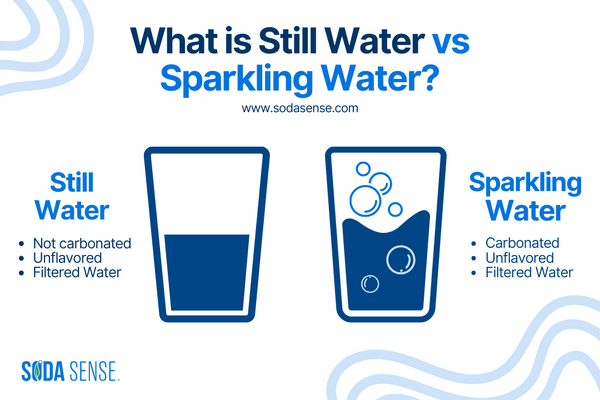
Let’s start with the basics, because yes, we’re going to get a little science-y, but I promise it won’t hurt. Still water is just H₂O—pure, calm, and predictable. It’s the friend who never shows up late and always listens to your drama. Sparkling water, on the other hand, is H₂O with carbon dioxide gas dissolved under pressure. That gas is what creates the fizz, the tingle, and that sudden “whoa” sensation on your tongue.
Here’s a side note: ever wonder why sparkling water feels almost aggressive? It’s because the carbon dioxide turns into carbonic acid, giving it a slightly lower pH. That’s right—your bubbly drink is technically a weak acid. Not enough to dissolve your teeth (relax, you’re safe), but enough to make your taste buds sit up and pay attention. Still water? pH around 7, totally neutral, boring but reliable.
Must Read
The Taste Test: Does Flat Really Mean Flavorless?
You might think still water tastes like nothing, but that’s a lie we’ve all told ourselves. Still water does have flavor—it’s just subtle. Mineral content, source (spring vs. tap), and even the temperature can change it. Ever notice how a cold glass of tap water tastes “crisp” while warm tap water tastes like metal and regret? That’s still water being a chameleon.
Sparkling water is the extrovert of the table. It doesn’t just sit there—it demands your attention with its prickly texture. The bubbles can actually carry volatile aroma compounds to your nose, which is why some people swear it tastes “fresher” or more “citrusy,” even if it’s plain. But here’s the ironic part: that same fizz can mask bad flavors. Got gross tap water? Add bubbles, and suddenly you’re a bougie influencer sipping “mineral water.”
Health Hype: Which One Is Winning? (Spoiler: It’s Complicated)
Let’s cut to the chase: still water is the champion of hydration. Your body absorbs it faster because there are no gas bubbles taking up space in your stomach. If you’re running a marathon or nursing a hangover, go flat. Sparkling water can actually make you feel bloated because, you know, you’re swallowing tiny pockets of air. Not great for a pre-workout chug.
But wait—don’t ditch the bubbles yet. Studies suggest that sparkling water can improve digestion by stimulating swallowing and even relieving constipation. Yes, you read that right. A glass of Perrier might literally get things moving. Side comment: just don’t test that theory at a first date, okay? Your call.
 Still vs Sparkling Water: Benefits & When to Choose Each | Little
One major red flag: any flavored sparkling water with added sugar or artificial sweeteners is basically soda in disguise. That cute can of “lemon lime” fizz? It might have as much acid as a cola. Plain sparkling water is fine, but stick to still water if you’re worried about your enamel or have a sensitive tummy. Your teeth will thank you.
The Social Divide: Why We Judge Each Other’s Bubbles
Let’s be real—there’s a class warfare vibe in this debate. Ordering still water at a restaurant often says, “I’m low-maintenance.” Ordering sparkling says, “I read food magazines and own a cheese board.” Sparkling water has become a status symbol, like wearing a scarf indoors. I’m guilty of this. I once ordered San Pellegrino just to feel fancy, then literally burped in my napkin.
But here’s the truth: still water is the workhorse. It’s what keeps you alive during a 12-hour shift. Sparkling water is the party trick. It’s perfect for cocktail mixers, fancy dinners, or when you want to pretend you’re hydrated while actually enjoying a treat. Neither is superior—they just have different jobs.
How to Choose: A Cheat Sheet for Real Life
If you’re dehydrated, tired, or about to exercise: still water. Your body needs efficiency, not entertainment. If you’re eating a heavy meal, trying to cut soda, or just feeling a bit bougie: sparkling water. It helps you slow down and actually taste your food. But for the love of all that is holy, do not mix them. I once poured still into a sparkling bottle and created a flat, confused puddle. Disaster.
And a final, slightly ironic truth: both are essentially water. The difference is just a bit of gas, a shift in pH, and a whole lot of psychology. So next time someone asks, “Still or sparkling?” tell them you’re a fluid being, and your choice depends on the vibe. Then laugh knowingly and chug whatever’s closest. You’ve earned it.
