Catalytic Carbon Filtration For Chloramine Removal

So there I was, standing in my shower, staring at the glass door. It looked like a frosted window at a cheap motel. White, chalky scale everywhere. And the smell? That unmista...
So there I was, standing in my shower, staring at the glass door. It looked like a frosted window at a cheap motel. White, chalky scale everywhere. And the smell? That unmistakable swimming pool aroma, even though I hadn’t been near a pool in months. My skin felt tight, my hair was a mess, and I was ready to blame my water heater. Classic.
Turns out, the real culprit wasn’t my heater. It was something sinister hiding in my tap water: chloramine. Yep, the city’s fancy disinfectant. Except this stuff doesn't just disappear when you run the tap. It sticks around, and it’s a pain in the neck for anyone who wants clean water without the chemical aftertaste.
Wait, What Exactly Is Chloramine?
If you’ve ever wondered why your water smells like a public pool, but stronger and more persistent, that’s chloramine. It’s ammonia mixed with chlorine. Sounds like a science experiment gone wrong, right? It’s actually common because it lasts longer in pipes than plain chlorine.
Must Read
Here’s the kicker: regular carbon filters hate it. Like, really hate it. They can remove free chlorine easily, but chloramine? Standard activated carbon just shrugs and lets it through. That’s why your shower smells like a chemical spill and your fish tank (if you have one) is a death trap. Fun times.
Enter the Hero: Catalytic Carbon
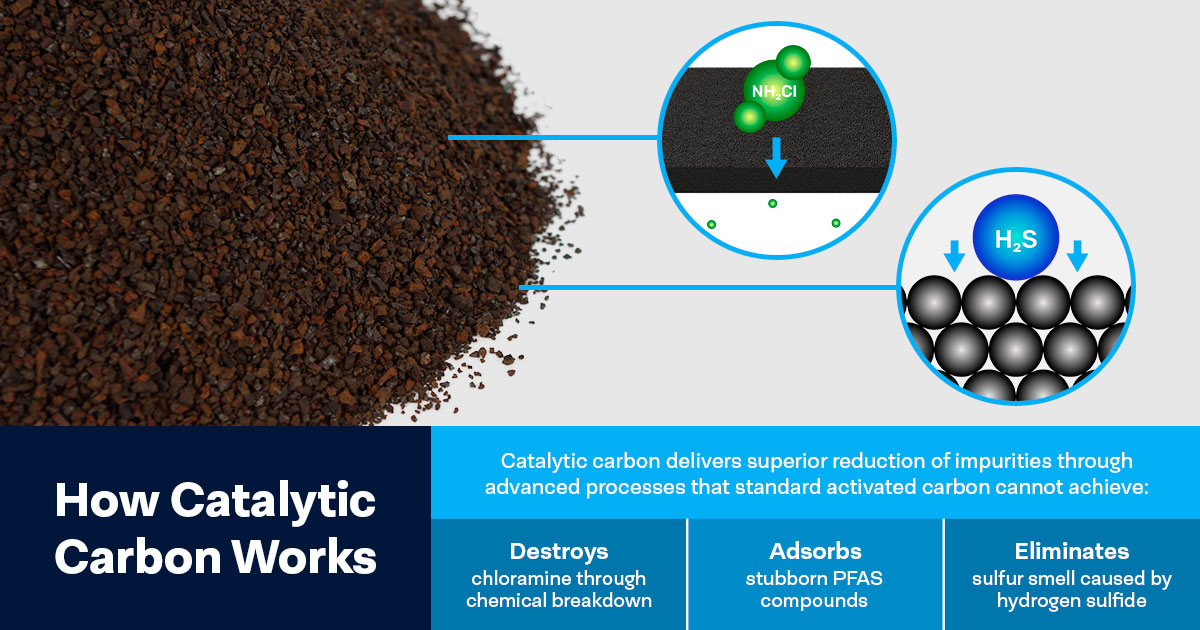
This is where catalytic carbon filtration steps in, looking like a rockstar. It’s not your grandpa’s charcoal. The carbon is treated with a catalytic coating that accelerates a chemical reaction, breaking chloramine into harmless nitrogen and chloride. No, I’m not making this up. It essentially forces the chloramine to decompose faster than a toddler on a sugar rush.
The result? Your water goes from “swimming pool chic” to “crystal spring.” My skin stopped feeling like sandpaper after exactly three showers. I’m not exaggerating. The difference is that dramatic, and honestly, it’s a little ridiculous how much we put up with bad water.
Why Should You Care (Besides Your Hair)?
Okay, let’s get real. Chloramine isn’t just annoying for your coffee taste. It creates disinfection byproducts when it reacts with organic matter in your pipes. Those byproducts? Linked to health risks like bladder cancer and reproductive issues. Scary stuff, I know. But you don’t have to live in a bunker.
Catalytic carbon filtration is the practical fix. It removes those byproducts, chloramine, and even nasty smells. If you’re a brewer, a gardener, or just someone who enjoys not smelling like bleach after a shower, this filter is your new best friend. Seriously, your plants will thank you, because chloramine kills beneficial soil bacteria.
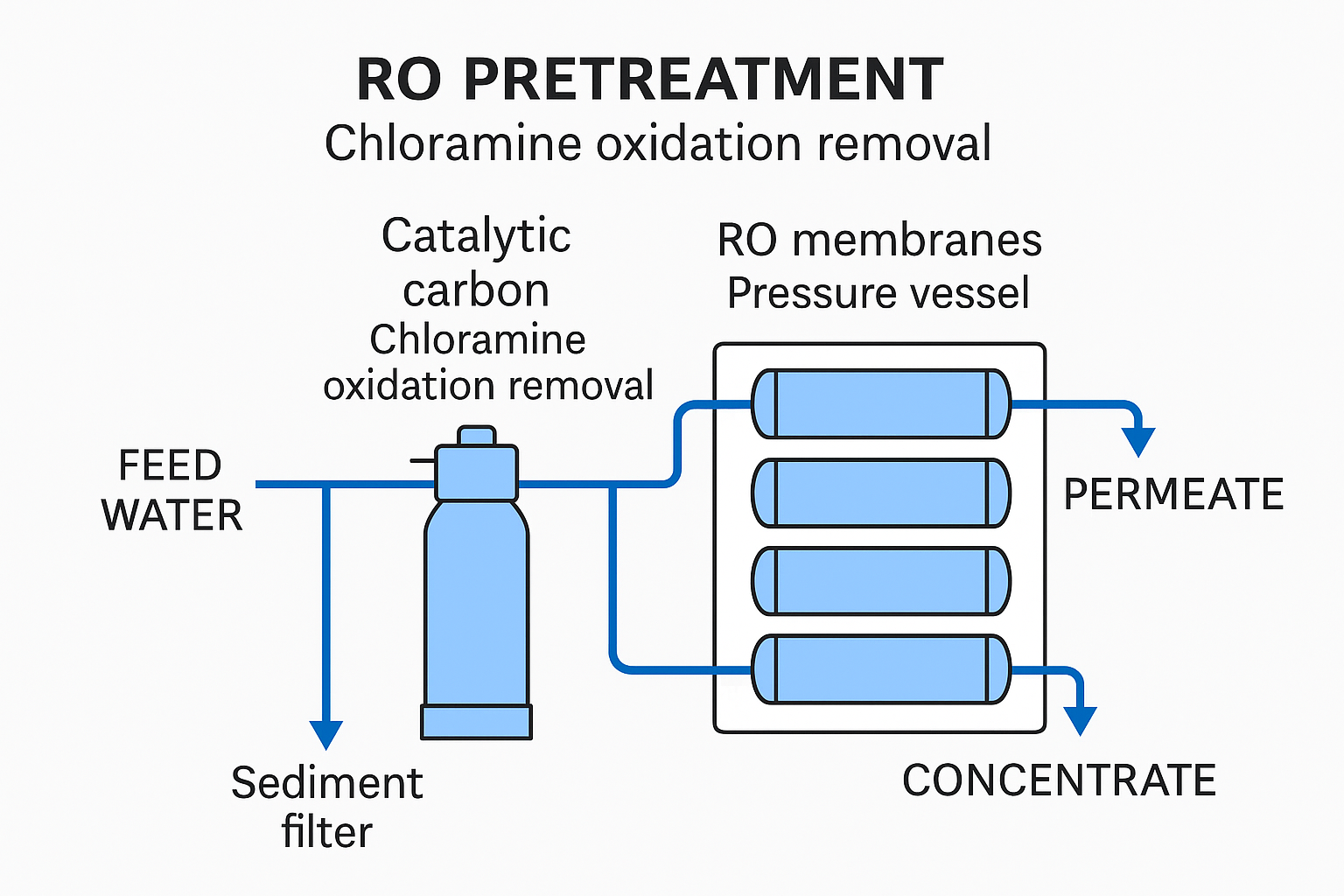 Reverse Osmosis Pretreatment with Chloramine: Catalytic Carbon
The Ironic Twist
Here’s the funny part: most people buy expensive bottled water or “premium” filter pitchers that don’t even touch chloramine. That’s like putting a band-aid on a fire. Total scam. A good catalytic carbon filter isn’t sexy, but it’s the silent workhorse that actually solves the problem.
And don’t let the tech jargon scare you. You can get a catalytic carbon filter for your whole house, your kitchen counter, or even a simple under-sink unit. It’s not rocket science. It’s just carbon that’s been given a superpower. Who doesn’t want that?
What to Look For When Buying
Not all catalytic carbon is created equal. You want one that’s specifically rated for chloramine reduction. Look for “catalytic” or “enhanced” on the label. If it just says “activated carbon,” it might be a dud. Also, check the flow rate. Some cheap filters force the water through too fast, and the chloramine doesn’t get fully broken down. Science demands patience.
Another tip: replace the filter on time. I know, I know, we all forget. But once the catalytic sites get clogged, you’re back to swimming pool water. Set a reminder. Your taste buds will forgive you.
Final Thoughts (No Pressure)
So, back to my shower door. After installing a catalytic carbon whole-house filter, it stayed clear. No more scrubbing. No more chlorine smell. My coffee actually tastes like coffee, not a chemistry lab. And my fish? They stopped doing the backstroke in protest.
If you’re tired of that weird chemical taste or the smell that follows you out of the shower, you owe it to yourself to try this. It’s not a miracle cure, but it’s pretty close. And hey, at least you’ll never have to explain to guests why your water smells like a triathlon pool. You’re welcome.
