Minimum Temperature To Keep Pipes From Freezing Uk

Let’s be honest, nobody in the UK wants to spend a freezing morning mopping a flooded kitchen floor. It’s the kind of disaster that starts with a tiny drip and ends with your...
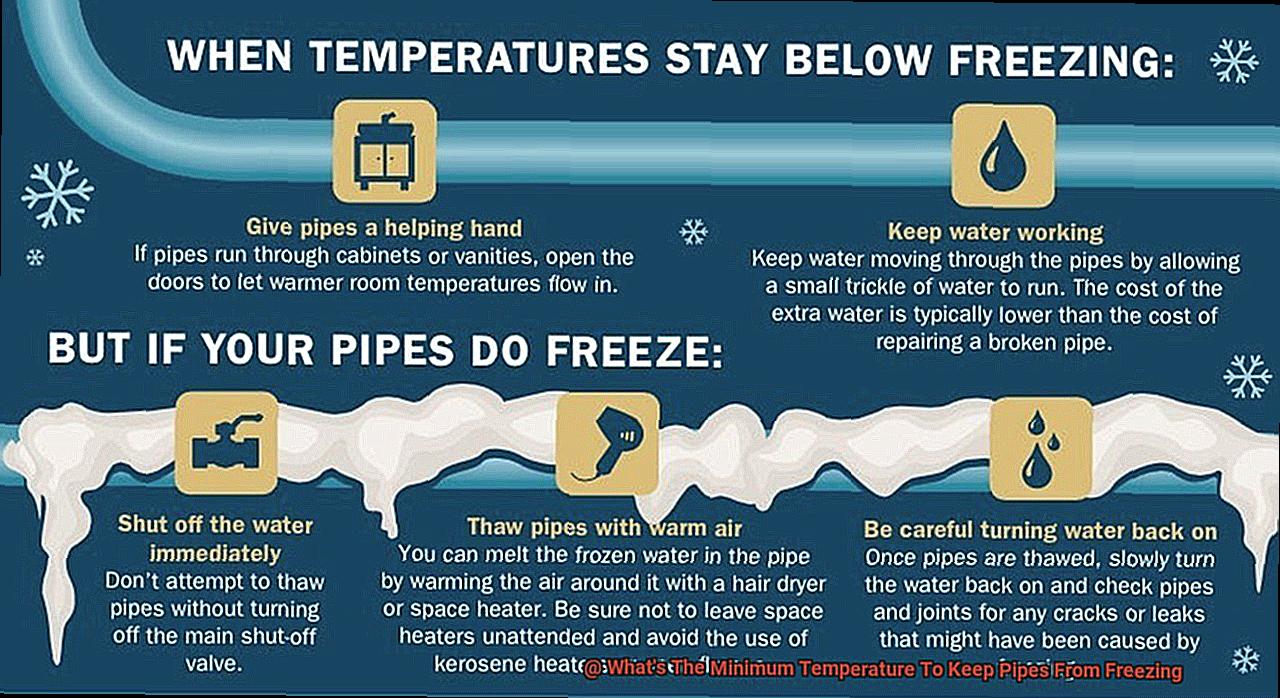
Let’s be honest, nobody in the UK wants to spend a freezing morning mopping a flooded kitchen floor. It’s the kind of disaster that starts with a tiny drip and ends with your central heating bill having a nervous breakdown. Keeping your pipes from freezing isn’t just about plumbing—it’s about keeping your home a warm, safe haven when the weather outside gets properly grumpy.
Why your pipes throw a hissy fit in the cold
Think of your water pipes like your own fingers on a bitter January morning. When the mercury drops, the water inside them expands as it turns to ice, and that expanding ice acts like a tiny, unstoppable wrecking ball. Your copper or plastic pipes are tough, but they’re no match for the sheer force of frozen water—they split or crack, and you’re left with a mess that costs way more than a cosy jumper.
In the UK, we don’t get Siberian winters often, but our houses aren’t built for them either. A sudden cold snap catches everyone off guard, especially if your boiler is in the loft or your outside tap hasn’t been drained. It’s like forgetting to wrap the garden hose—except the consequences involve your living room carpet.
Must Read
The magic number: 10°C, but with a quirky twist
Here’s the golden rule that keeps plumbers from ringing your doorbell: keep your home above 10°C (50°F). That’s the minimum temperature to keep pipes from freezing in the UK. Even if you’re off on a sunny holiday to Benidorm, don’t turn the heating off completely—set it to a low, steady hum at 10°C.
But here’s the cheeky part: it’s not just about the thermostat. Pipes in unheated spaces like lofts, garages, or under the stairs can freeze even when your living room feels toasty. Think of your attic as that awkward friend who wears a t-shirt in a blizzard—it’s completely exposed to the real cold outside.
The sneaky places that freeze first
Your kitchen sink might feel safe, but if the pipe runs along an outside wall, it’s basically shivering in the shadows. Uninsulated pipes in the garage or the utility room are prime suspects—they’re like the forgotten vegetable crisper drawer in your fridge. Even the pipe leading to your outdoor tap can turn into an icy grenade if you don’t drain it before winter.
I once had a neighbour who thought leaving the loft hatch open would keep things warm. Spoiler: it didn’t. His water tank turned into a block of ice that looked like a modern art sculpture—until it melted and flooded his spare bedroom. A quick lagging job (pipe insulation from B&Q) would have saved him ten hours of mopping and a huge argument with his wife.
What you can do today (without becoming a DIY guru)
First, locate your stopcock and learn how to turn it off—label it with a giant sticker if you have to. If a pipe does freeze, shutting off the water is your emergency brake, and it buys you time to thaw things gently with a hairdryer (never a blowtorch, unless you fancy a plate of grilled plaster).
Second, grab a roll of foam pipe insulation from the hardware shop. It’s cheaper than a takeaway pizza, and it wraps around your pipes like a cosy winter scarf. Slide it over any exposed pipes in the loft, under the kitchen sink, and along cold exterior walls. Yes, it looks a bit like a therapy pillow for plumbing, but it works.
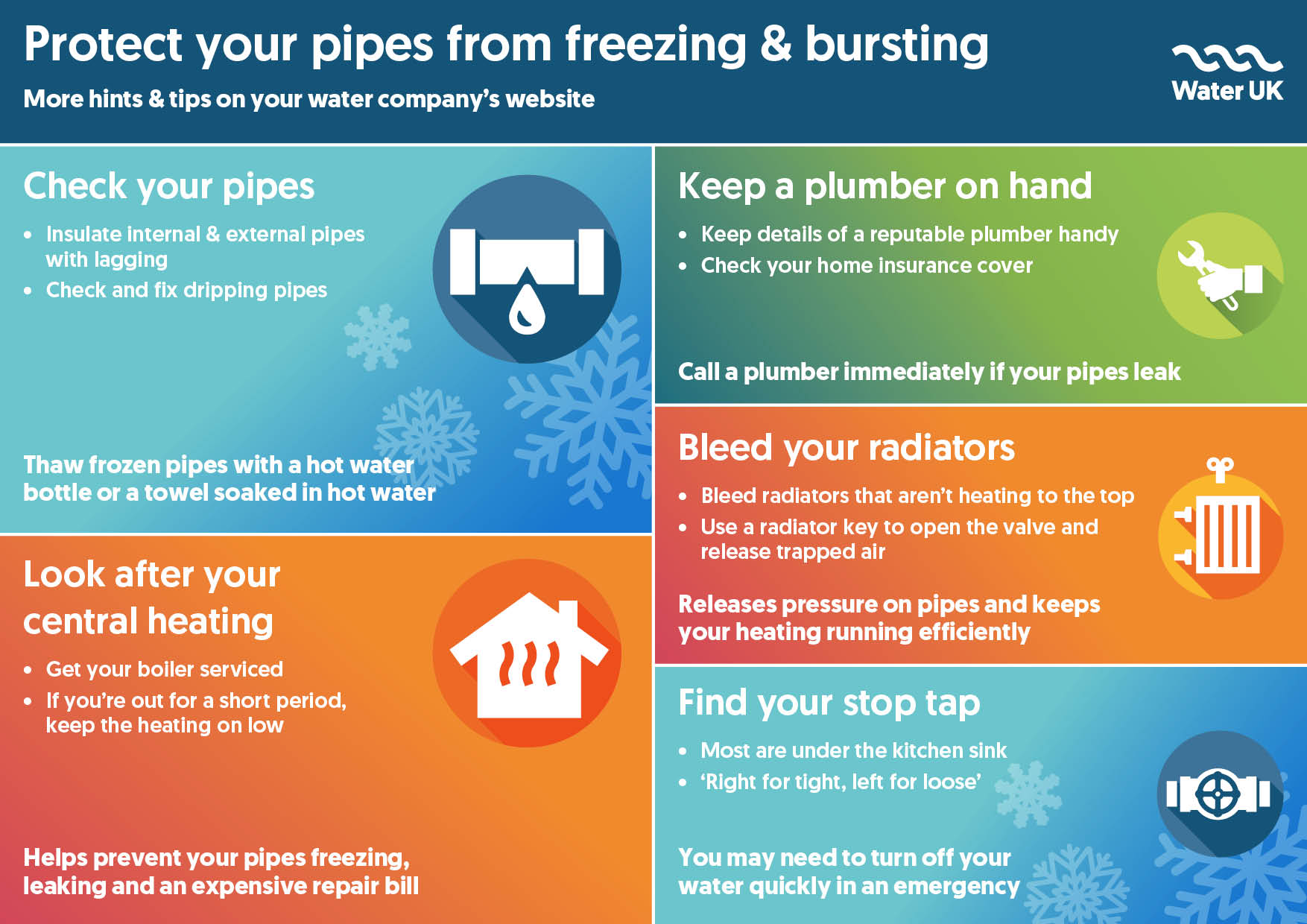 Households and businesses urged to protect pipes from freezing and
Third, on the coldest nights, let your taps drip slightly. A gentle trickle keeps water moving, and moving water is dramatically harder to freeze. It uses a tiny amount of water, but it’s far cheaper than a burst pipe—think of it as a tiny insurance policy that only costs pennies.
The “I forgot to heat the shed” moment
Let’s be real: we’ve all had that moment where we dash outside in pyjamas to grab a sack of potatoes from the garage, only to find the hose pipe has turned into a popsicle. Your outdoor tap needs a dedicated tap cover or, at the very least, an old towel wrapped around it. If you have an unheated outbuilding with plumbing, drain it completely before winter—or invest in a trace heating cable (yes, it’s a thing, and it sounds exactly like an electric blanket for pipes).
One bloke I know actually used an old woolly jumper to lag his pipe in the garden. It looked ridiculous, but it worked. The point is: anything is better than nothing. Even bubble wrap and duct tape can make a difference in a pinch. Your pipes won’t care about fashion—they just care about touching something warm.
The emotional payoff: a warm, dry home
Keeping your pipes from freezing isn’t just about avoiding a flood—it’s about peace of mind. When you hear the wind howling outside and the heating clicks on at 5am, you know your home is holding up its end of the bargain. You can sip your tea without that tiny voice in your head asking, “Is the loft okay?”
And honestly, there’s a small, satisfying joy in knowing you’ve outsmarted the British winter. It’s like finally figuring out how to open a stubborn jar lid—you feel clever, capable, and maybe a little smug. Your garden tap will stay quiet, your boiler will purr, and your family will stay warm. That’s worth a roll of pipe insulation and a sensible thermostat setting, isn’t it?
So go ahead, set that thermostat to 10°C before you head out. Wrap a scarf around your loft pipes. Let the kitchen tap do a gentle drip-drip-drip. Your future self—the one not standing in a puddle of freezing water at 2am—will thank you with a very relieved smile.
