Water Well Drilling Cost Per Foot Texas 2024 Or 2025

Alright, let’s talk about something that’s not exactly dinner-conversation material but is super important if you own land in Texas: water well drilling costs. Specifically, w...
Alright, let’s talk about something that’s not exactly dinner-conversation material but is super important if you own land in Texas: water well drilling costs. Specifically, what’s it going to cost you per foot in 2024 or 2025? Grab a sweet tea (or a margarita, no judgment), and let’s dig in—pun absolutely intended.
So, What’s the Damage Per Foot?
In Texas, the average cost to drill a water well runs between $30 and $60 per foot for a standard residential well. But hold your horses—that’s just the drilling part, not the whole shebang.
If you’re looking at 2024 prices, expect the lower end for sandy soil and the higher end for hard, rocky ground. And for 2025? Well, prices might creep up a bit due to inflation and fuel costs—because trucks and drills don’t run on hope.
Must Read
I’d budget $50 per foot as a happy medium, but remember: Texas is huge, and prices vary like BBQ joints in Austin—some are cheap, some are fancy, but all are worth it.
The “Per Foot” Breakdown: What You’re Actually Paying For
You’re not just paying for a guy with a big drill. Nope. That per-foot cost covers the drilling rig, the operator’s expertise, fuel, and wear-and-tear on equipment. Think of it as renting a very loud, very expensive robot that hates rocks.
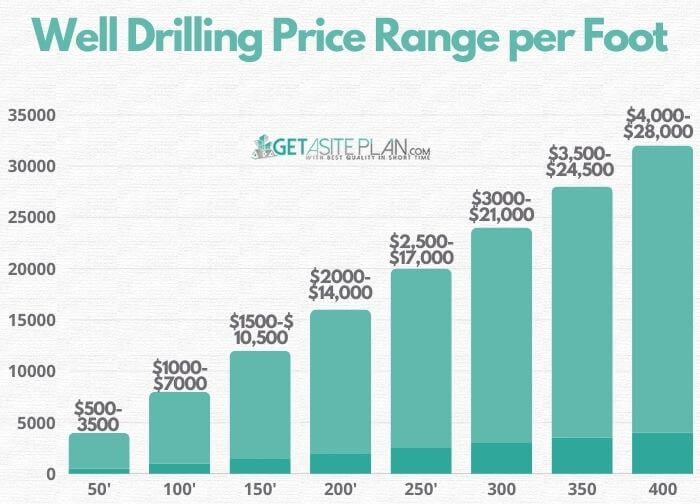
For a typical 200- to 400-foot well (common in Texas), that’s $6,000 to $24,000 just for drilling. Wait, don’t panic yet—there’s more. But the good news is, you’ll have your own water, so no more HOA rules about your sprinkler schedule.
Pro tip: Always ask for a per-foot price that includes “drilling straight”—meaning no extra fees for hitting unexpected boulders. Because in Texas, we have a lot of “unexpected” everything.
The Hidden Costs That Sneak Up on You (Like Armadillos at Night)
Drilling per foot is the headline, but the casing, pump, wiring, and pressure tank are the supporting cast. Casing alone can add $10 to $20 per foot for steel or PVC pipe to keep your well from caving in.
Then there’s the pump and electrical work, which can run $1,000 to $5,000, depending on depth and horsepower. And don’t forget the well cap and seal—because critters should not be bathing in your drinking water. Especially not raccoons, who have terrible manners anyway.
All in, a finished well in Texas in 2024 or 2025 might cost $15,000 to $35,000 total. But hey, that’s a bargain compared to paying a water bill for the next 30 years—assuming you don’t mind drilling a hole in your wallet first.
Why Texas Drilling Costs More (or Less) Than Your Cousin’s Place in Oklahoma
Texas geology is a feisty mix of sand, clay, limestone, and granite, depending on where you live. In West Texas, you might hit hard rock that makes the drill weep; in East Texas, softer soils can save you money. It’s like a box of chocolates, except you’re charging your credit card.
Permits and regulations also add a few bucks—Texas requires a drilling permit (usually $150 to $300) and water rights paperwork. Don’t skip this; the Texas Water Development Board is not known for its sense of humor.
![How Much Does It Cost to Drill a Well? [2025 Data] - Get A Site Plan](https://getasiteplan.com/wp-content/uploads/2024/12/well-casing-cost-per-foot-600x432.jpg) How Much Does It Cost to Drill a Well? [2025 Data] - Get A Site Plan
How Much Does It Cost to Drill a Well? [2025 Data] - Get A Site Plan
And location matters: remote properties cost more because drillers have to haul equipment further. So if your dream well is on a 40-acre parcel in the middle of nowhere, budget extra for “remote surcharge” (and maybe a drone to watch the progress).
How to Get the Best Price Without Losing Your Mind
First, get at least three quotes from licensed drillers. Compare their per-foot rates, but also ask if they include grout, casing, and a basic pump. Some drillers charge per foot like it’s a contest—spoiler: you win by comparing.
Second, drill in the dry season (October through April) if you can. Rainy ground can slow down drilling and add charges. Texas weather is fickle, but dry dirt is cheaper dirt. Unless it floods, in which case you have a pond, not a well.
Third, go deep only if you must. A 150-foot well might cost $7,500, while a 400-foot well could hit $20,000. Test the water quality at different depths first—sometimes nearby wells show you don’t need to go to China for clean H2O.
Will Prices Go Up in 2025? (Spoiler: Probably, But Don’t Panic)
Inflation, steel prices, and fuel costs are all pointing upward for 2025. Drillers might raise per-foot rates by 5% to 10%, so if you’re on the fence, locking in a 2024 price now could save you hundreds. Think of it as the opposite of waiting for a Black Friday sale—this one goes up.
But here’s the silver lining: technology is improving. Newer drill rigs are faster and more precise, which can offset some cost increases. And more competition in Texas means you can still find decent deals if you shop around. Just don’t ask for a “friends and family” discount—drillers hear that 47 times a day.
My advice? Start calling drillers in early 2024 and ask if they honor prices for 2025 bookings. Some will lock in a rate if you put down a deposit. It’s like reserving a campsite, but with way more mud.
Uplifting Conclusion: You’ve Got This, Texas!
Look, drilling a water well is a big deal—it’s literally digging for your own future. But here’s the awesome part: once that well is done, you’ll have liquid independence. No city water bills, no drought restrictions, and no one telling you not to hose down your kids on a hot July day.
Yes, the cost per foot might make your eyes water (pun number three, sorry), but think of it this way: every drop from your own well tastes like freedom—and maybe a hint of aquifer minerals. You’re not just drilling a hole; you’re investing in your home, your land, and your own slice of Texas self-reliance.
So go ahead, call a driller, compare quotes, and remember: the best time to drill is before you’re thirsty. And if your budget feels tight, just smile and say, “Well, well, well—looks like I’m becoming a grown-up!” Because in Texas, we turn dirt into dreams, one $50-per-foot hole at a time. Now go forth and hydrate properly—you’ve earned it.
