Commercial Water Filtration System For Removing Lead

You know that scene in *Erin Brockovich* where the water glows an ominous yellow? Yeah, we’re not about that life. But even crystal-clear tap water can hide a silent, sneaky v...
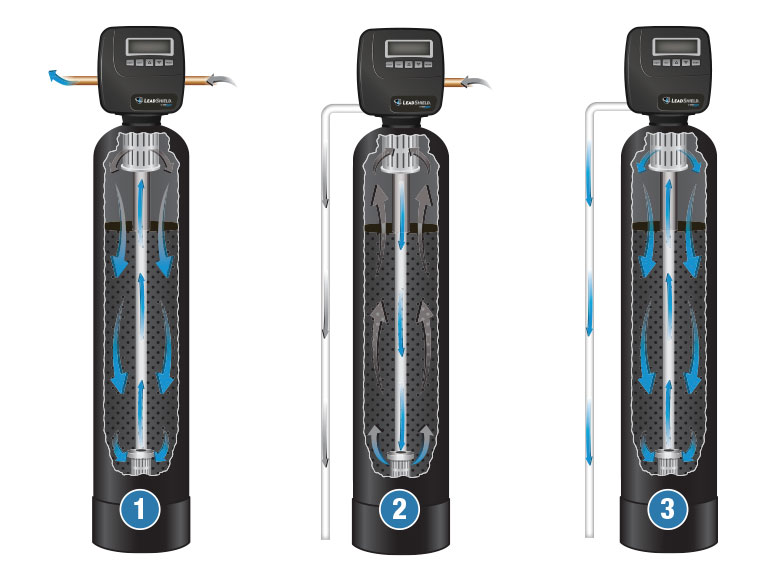
You know that scene in Erin Brockovich where the water glows an ominous yellow? Yeah, we’re not about that life. But even crystal-clear tap water can hide a silent, sneaky villain: lead. It’s not a plot twist you want in your morning coffee ritual.
Lead doesn’t announce itself with a weird taste or a funky smell. It’s a stealthy intruder, often leaching from old pipes and solder in homes built before 1986. That’s a full decade before most of us even knew what a “high-fiber diet” was.
Here’s the kicker: boiling water doesn’t remove lead. In fact, it concentrates it. Pour that boiling water over your artisanal pour-over beans, and you’re just making lead-infused luxury coffee. No thank you.
Must Read
The MVP: A Commercial Water Filtration System
Think of a commercial-grade filtration system as the bouncer at an exclusive club—only pure, delicious H₂O gets past. Unlike those cute little pitcher filters in your fridge, these units are built for serious work.
We’re talking about reverse osmosis (the Beyoncé of water tech) and catalytic carbon filters. They have the muscle to yank out 99% of lead, along with microplastics, chlorine, and a host of other uninvited guests. It’s like having a personal water sommelier.
Why “commercial”? Because the same heavy-duty tech used in restaurants and breweries is now scaled for your home. It means faster flow rates and longer filter life—so you’re not swapping cartridges every time you look at the faucet.
Practical Tip #1: Know Your Enemy (and Your Pipes)
Before you buy anything, test your water. Your local health department will often send you a free kit. It’s the grown-up version of a pregnancy test—except the result tells you if you need heavy metal protection.
If your home was built between 1900 and 1978, assume there’s a risk. Think of it like a vintage leather jacket: cool aesthetic, but you gotta check the lining for moth holes. Lead service lines are the moth holes of plumbing.
Practical Tip #2: Match the Filter to Your Volume
A single person who drinks two cups of tea a day doesn’t need a system that could filter a koi pond. But a family of five with a passion for smoothies and pasta—go big or go home.
Look for filters certified to NSF/ANSI Standard 53 for lead removal. That little blue NSF logo is your golden ticket. No certification? No purchase. It’s that simple.
Remember: a larger system means less waiting. You’ll get filtered water on demand, not after a dramatic pause worthy of The Crown.
Cultural Vibes & Fun Facts
Fun fact: The ancient Romans used lead pipes, and historians think it contributed to lead poisoning in the elite. So, basically, lead messed with the Roman Empire’s brain cells. History repeats itself—unless you install a modern filter.
You’ve probably seen celebrities on Instagram with their giant, sleek water bottles. What you don’t see is the multi-stage filtration system feeding that bottle. Gwyneth Paltrow doesn’t drink straight tap water. She drinks water that’s been through a spa day.
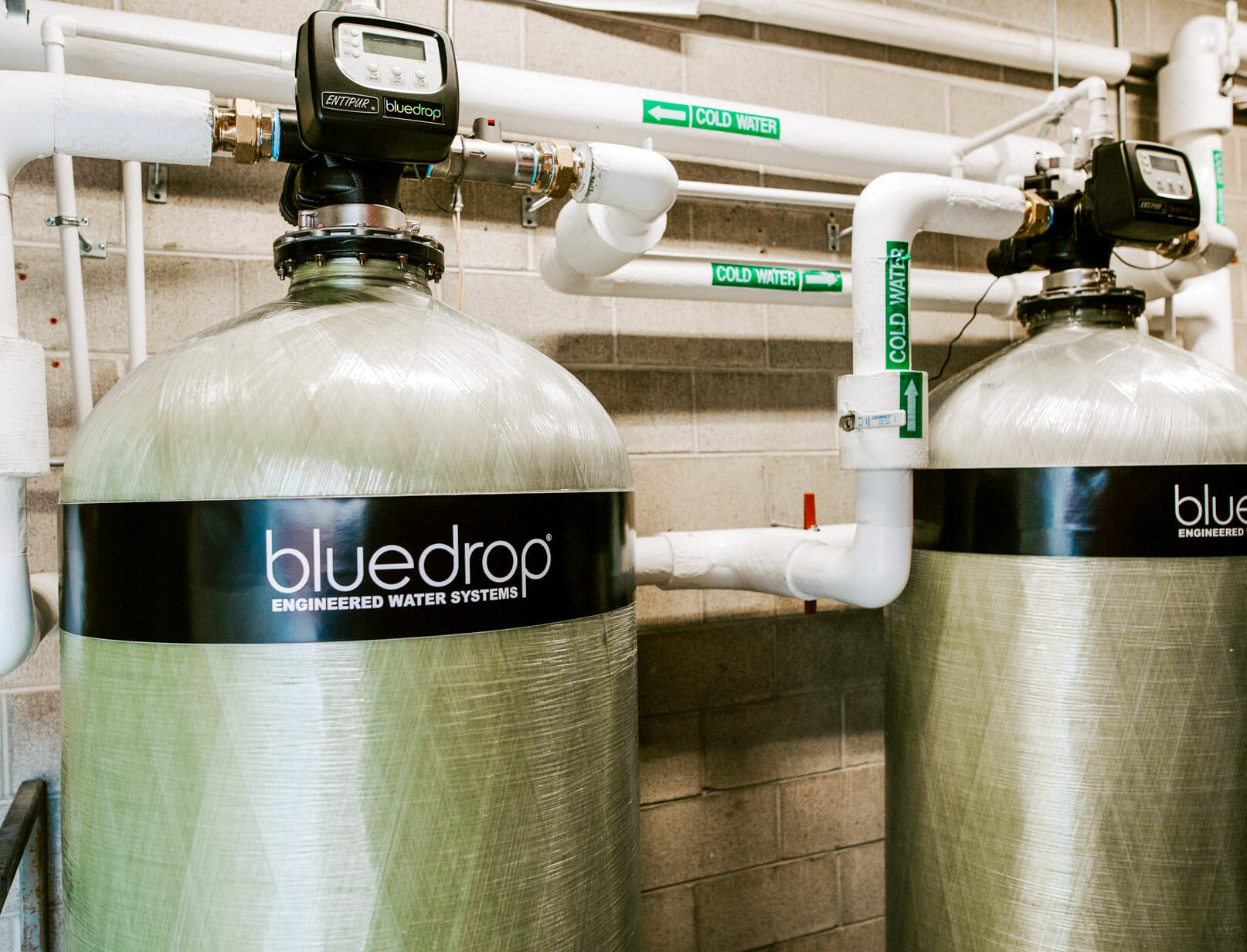 Commercial Water Filtration | Bluedrop Water
Another fun fact: The first water filters were made of charcoal in ancient India. They’d put charcoal in cloth bags. We’ve gotten fancier, but the principle is the same—carbon is still the MVP of clean water. Now it just comes in a sexy stainless steel canister.
Practical Tip #3: Don’t Forget the Hidden Sources
You might not drink from the tap, but you cook with it. Lead in pasta water? That’s a lead-infused carb load. A whole-house or undersink system protects your cooking, your ice cubes, and even your pet’s water bowl.
Speaking of pets, dogs and cats are even more sensitive to lead than humans. Your golden retriever deserves better plumbing than a 1920s tenement. A commercial filter is basically a wellness investment for the whole pack.
Cost-wise, a good system runs from $200 to $800, with filters every six to twelve months. Compare that to buying bottled water for a year, and you’ll save money—and the planet won’t hate you.
The Setup & The Vibe
Installation isn’t a DIY nightmare. Most systems come with a “push-to-connect” fitting, which is basically adult Lego. You don’t need a plumbing degree—just a YouTube video and a little confidence.
Some models sit in your under-sink cabinet, quiet and humble. Others are countertop cylinders that look like sci-fi artifacts. Choose the one that matches your kitchen’s aesthetic—stealth ninja or sleek robot.
Once it’s running, you’ll notice the difference. Water tastes cleaner, smoother, almost silent. It’s the difference between listening to a vinyl record and a podcast—both good, but one is definitively richer.
A Quick Reflection
There’s something deeply satisfying about turning on the tap and knowing you’ve removed a potential threat with a piece of smart engineering. It’s not just about hydration; it’s about peace of mind.
Think about it: we stress about organic kale, non-toxic mattresses, and clean beauty products. But the most fundamental human need—water—often gets neglected. Filtering your water is the easiest, most impactful upgrade you can make to your daily life.
In a world where we can’t control everything, we can control what goes into our bodies. And sipping lead-free, delicious water while re-watching The Office for the tenth time? That’s a small, brilliant victory. Cheers to that.
