Residential Underground Rainwater Collection Systems

Imagine a world where your garden stays lush during a drought, and your water bill takes a permanent vacation. It’s not a fantasy; it’s the quiet magic of residential undergro...
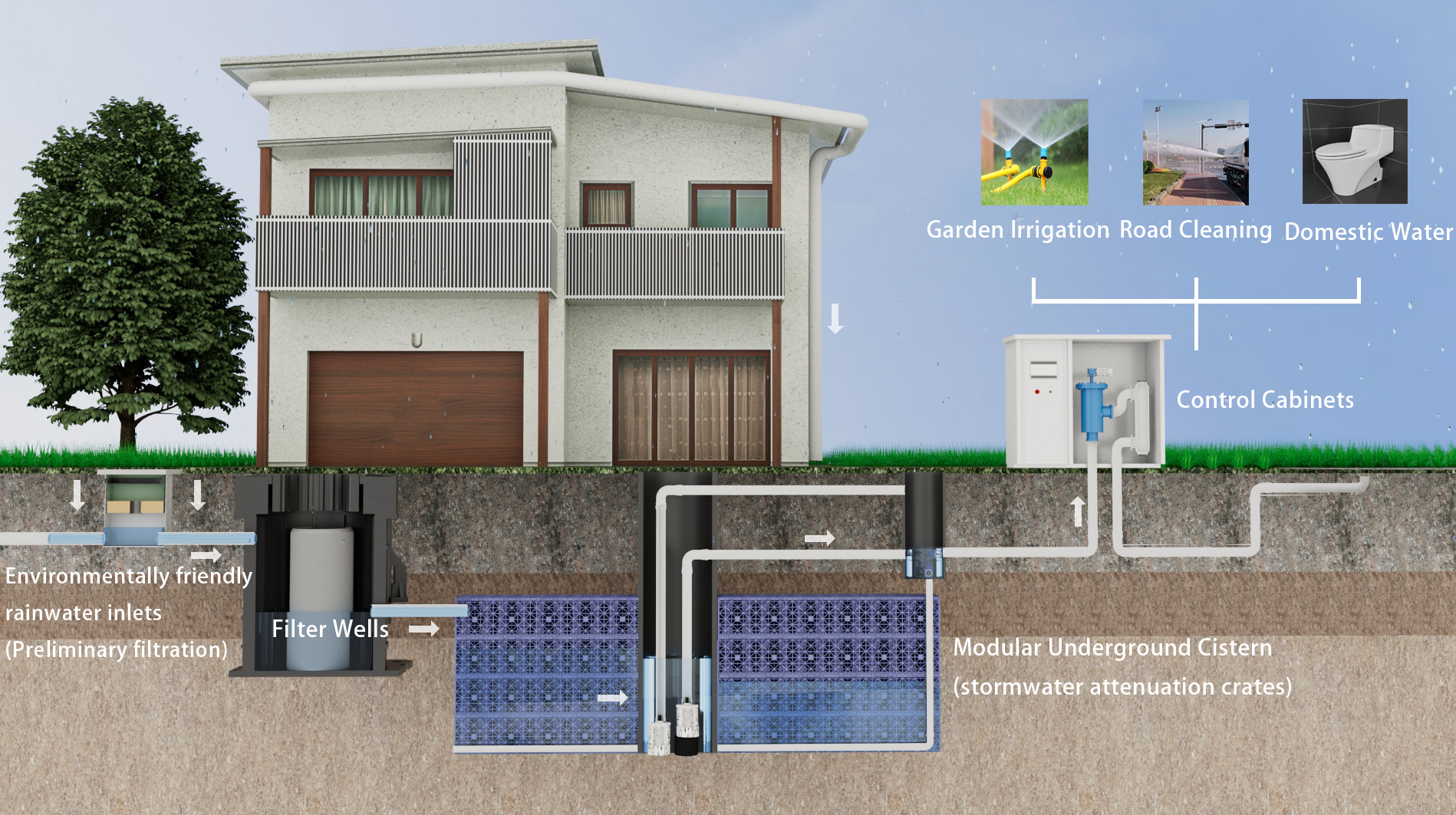
Imagine a world where your garden stays lush during a drought, and your water bill takes a permanent vacation. It’s not a fantasy; it’s the quiet magic of residential underground rainwater collection. Think of it as your home’s own private reservoir, tucked away like a secret oasis beneath your lawn.
The Underground Revolution
We all saw Kevin Costner’s Waterworld—a soggy, desperate future. But the real water revolution is happening right under our feet, and it’s surprisingly chic. These systems are essentially giant, subterranean cisterns that capture runoff from your roof, filtering it into a clean supply for your yard, car, or even your washing machine.
The best part? Out of sight, out of mind. Unlike those clunky rain barrels that cramp your curb appeal, underground tanks let your landscaping shine. They store hundreds, even thousands of gallons, waiting patiently for a dry spell.
Must Read
Why Go Beneath the Surface?
It’s not just about saving money—though that’s a solid perk. It’s about resilience. In many places, municipal water is treated, pumped, and shipped from miles away, while your roof literally showers free water onto the ground. Capturing it is like finding cash in an old coat pocket.
Plus, there is a cultural nod here to ancient wisdom. The Romans built massive cisterns under their villas, and the Maya collected rain in chultuns. We’re just modernizing an old habit with polyethylene tanks and clever filtration.
Fun fact: A single 1,000-square-foot roof can collect over 600 gallons of water from just one inch of rain. That’s enough to fill a hot tub twice. Your roof is basically a free faucet, and underground storage is the giant cup waiting underneath.
Installation: Not as Scary as It Sounds
Yes, it requires digging, but a professional crew can usually complete a standard system in two to three days. The tank—often made of rotomolded plastic or concrete—is lowered into a pit, connected to your downspouts, and covered back up. It’s like a quiet, industrious mole moving in.
You’ll need a first-flush diverter (it discards the dirty initial runoff from your roof) and a simple pump to push the water where you need it. Some systems even integrate with your existing irrigation controller, so your sprinklers run on rain power while you sip your morning coffee.
Practical Tips for the Modern Homeowner
Start small. If a full 2,000-gallon system feels overwhelming, consider a modular underground tank that links multiple units over time. Many companies offer stackable, interlocking cisterns that grow with your ambition.
Check local rebates. Cities from Austin to Portland offer tax incentives or subsidies for rainwater harvesting. You might get paid to save water—it’s the ultimate win-win.
Don’t forget the inspection hatch. You’ll want easy access every year or two to clear out silt and check the filter. Treat it like a basement closet: visit it occasionally, but don’t live in it.
 Underground Collection Tank - Tank and Rain Water Tank
And here’s a pro tip: paint the top of the tank with a thin layer of sand or fake grass. It blends into your lawn, and your neighbors will never know you’re hoarding rain. It’s the stealthiest eco-move since the reusable shopping bag.
The Cultural Connection
There’s a quiet romance to this. In an era of instant gratification, collecting rainwater asks you to be patient—to wait for the sky to deliver. It’s reminiscent of The Secret Garden where a hidden space transforms a parched landscape into life. Your underground cistern is that secret, just below the roses.
Pop culture loves a good hidden resource story. Think of Dune’s stillsuits, which recycle every drop of moisture. Your system is less sci-fi and more suburban, but the principle is the same: waste nothing, use everything. It’s a small act of rebellion against a throwaway culture.
A Few Small Caveats
Underground water is not for drinking unless you install an advanced UV filtration system—and even then, it’s a serious engineering project. Stick to non-potable uses like gardening, lawn care, and car washing. Your tap water will stay separate, and your tomatoes will thank you.
Frozen pipes can be an issue in colder climates, but burying the tank below the frost line solves that. Most pros know this trick. Also, consider a mosquito-proof mesh on your downspout entry—no one wants a breeding pool for flying vampires.
Maintenance is surprisingly low. A good system needs a filter rinse twice a year and a pump check annually. It’s less work than maintaining a lawnmower, and way more satisfying when you see your flower bed thriving during a water ban.
Reflection: The Daily Gift
Installing an underground rainwater system is a quiet act of optimism. Every time it rains, you’re not just watching a storm—you’re stocking a pantry. You’re saying “yes” to self-reliance and “no” to waste. It transforms a dreary, gray day from a nuisance into a gentle gift.
So next time you hear raindrops on your roof, smile. Know that beneath the grass, a silent ally is filling up. It’s not just water down there—it’s a little piece of freedom, ready when you are. That’s the kind of hidden luxury that makes daily life feel a bit more extraordinary.
