Popular Water Testing Kits For Detecting Iron Levels

Let’s be real: nobody wants to drink water that tastes like a rusty nail. That metallic tang isn’t just unpleasant—it’s a full-on sensory assault. Whether you’ve just moved in...

Let’s be real: nobody wants to drink water that tastes like a rusty nail. That metallic tang isn’t just unpleasant—it’s a full-on sensory assault. Whether you’ve just moved into an old Victorian fixer-upper or noticed orange stains in your pristine white sink, high iron is the likely culprit. The good news? You don’t need a chemistry degree to play detective.
Why You Should Care About Iron in Your Water
Iron isn’t inherently evil; it’s the fourth most abundant element on Earth. But in your drinking water, too much of it can turn laundry dingy, clog pipes, and give your morning coffee a bizarre, metallic tang. Beyond the aesthetic horrors, excessive iron can harbor bacteria that feed on it, called iron-reducing bacteria, which create slimy biofilm. That’s the stuff you absolutely don’t want on your toothbrush.
The EPA sets a secondary maximum contaminant level of 0.3 mg/L for iron. Hit that mark, and you’re officially in “rust zone” territory. But here’s a cultural reality check: if you’ve ever complained about “hard water” at a dinner party, you’ve basically become your parents.
Must Read
The Water Testing Kit Starter Pack
Forget lab coats and beakers—modern water testing kits are designed for the rest of us. They range from instant dip-and-read strips to fancier digital meters that look like something from a sci-fi film. The key is knowing which tool fits your life, not your chemistry set.
Test Strips: The Fast-Food Option
These are the Goldilocks of iron testing: cheap, easy, and surprisingly effective. You simply dip a strip into a glass of tap water, wait about 30 seconds, and compare the color change to a chart. It’s like a home pregnancy test, but for plumbing.
Most multi-parameter strips check for total iron alongside pH, hardness, and chlorine. Brands like JNW Direct and AquaChek are cult favorites among weekend warriors. The catch? They’re less sensitive at very low levels, so if you have “rust lake” vibes, you’ll see it immediately.
Liquid Reagent Kits: The Lab-Grade Hobbyist
This is for the person who actually reads instruction manuals. You fill a vial, add a few drops of a chemical reagent, and watch the water turn shades of pink or orange. The deeper the color, the higher the iron concentration.
The Taylor Technologies K-1710 is the gold standard here, often used by pool owners and serious aquarists. It’s more accurate than strips, but you’ll need a steady hand and maybe a second cup of coffee. Fun fact: this method is called a colorimetric test, which sounds fancy but just means “you’re a human color swatch.”
Digital TDS and Iron Meters: The Tech Bro Approach
If you love data and own a smart thermostat, this is your lane. Digital meters like the HM Digital TDS-EZ measure total dissolved solids, which gives you a broad picture. For iron-specific precision, the Apera Instruments AI209 uses a probe that detects ferrous iron (the clear, dissolved kind) instantly.
These gadgets are rechargeable and ultra-satisfying to swirl around. Warning: you might start testing the water everywhere—at friends’ houses, in hotel sinks, at that hipster coffee shop. It’s a slippery slope, but a fun one.
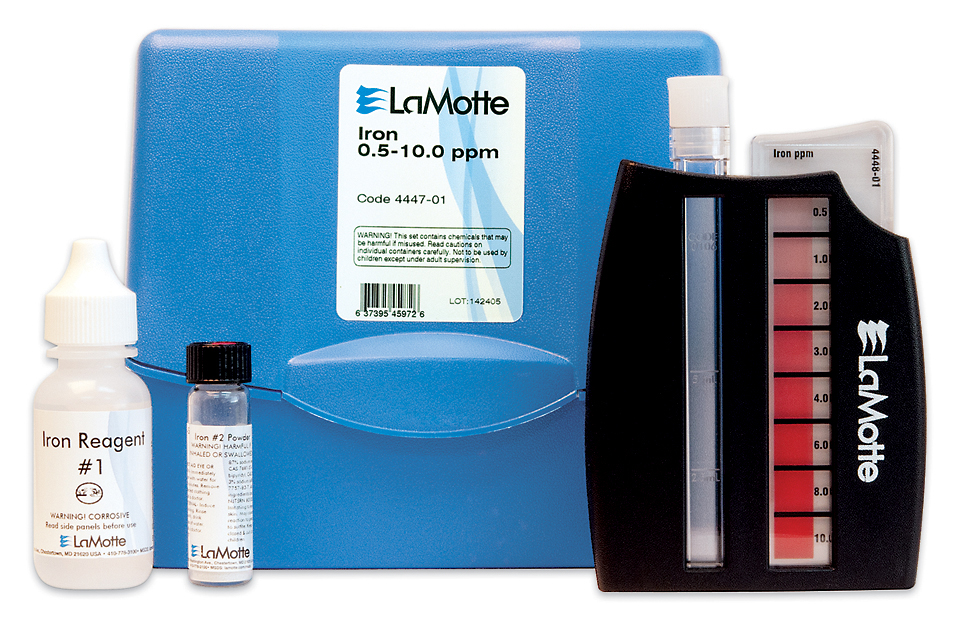 Iron Water Test
Practical Tips for the Weekend Warrior
First, test cold water straight from the tap. Don’t flush it first—you want the water that’s actually sitting in your pipes. Then test after running it for 30 seconds to see if the iron is coming from the main supply or just your home plumbing. It’s a Lord of the Rings-length saga, but you’re the hero.
Second, remember that iron comes in two forms: ferrous (clear water that turns orange when exposed to air) and ferric (visible red or orange particles). Most kits measure total iron, but if you see sediment, you’re likely dealing with ferric iron. That requires a different fix, like a sediment filter.
Finally, don’t panic at the first sign of color. Museums and historic homes often have water that’s high in iron but perfectly safe. The real aim is to balance aesthetics, appliance longevity, and your own sanity.
Cultural References and Fun Facts
The phrase “red water” has popped up in everything from ancient Roman aqueduct complaints to the opening scene of Stephen King’s It (where the sewer water runs red). In Japan, rustic onsen (hot springs) actually celebrate iron-rich water, marketing it as therapeutic. So maybe your stain issue is just a spa experience gone rogue.
And here’s a mind-bender: iron in water can make your hair turn reddish after repeated washing. Yes, you can literally get a subtle henna effect from your sink. It’s either a free dye job or a cry for help—you decide.
Connecting It All to Daily Life
When you finally run that test and see the strip turn a particular shade of orange, you’re not just reading a number. You’re understanding a piece of your home’s silent history. That iron didn’t appear overnight—it was carried through centuries of bedrock, pipes, and pressure, just to land in your glass.
The beauty of a simple test kit is that it transforms anxiety into action. You stop wondering and start fixing. Maybe you install a water softener, maybe you switch to bottled, or maybe you just embrace the slightly metallic taste and call it “mineral-rich.” Whatever you choose, you’re now a person who knows. And honestly, that’s the most modern luxury of all: the peace of mind that comes from knowing exactly what’s flowing through your life.
