Water Well Drilling Cost Lufkin Texas Or Angelina County

So, you’re thinking about drilling a water well in Lufkin, Texas, or somewhere out in Angelina County. Maybe you’re tired of that city water bill hitting you harder than a sum...
So, you’re thinking about drilling a water well in Lufkin, Texas, or somewhere out in Angelina County. Maybe you’re tired of that city water bill hitting you harder than a summer mosquito, or you just want to water your garden without the HOA sending a letter. Let me tell you, it’s a bit like deciding to adopt a pet elephant—exciting, a little intimidating, and you really need to know the upfront cost before you commit.
First off, let’s talk about the ground under your boots. Angelina County is mostly sandy loam and clay, mixed with some iron-rich red dirt that stains everything. It’s like nature’s own stubborn foundation. Drilling through it costs money, but it’s usually not the nightmare of drilling into solid rock, which is what your cousin in the Hill Country faces.
The Price Tag: What You’re Actually Paying For
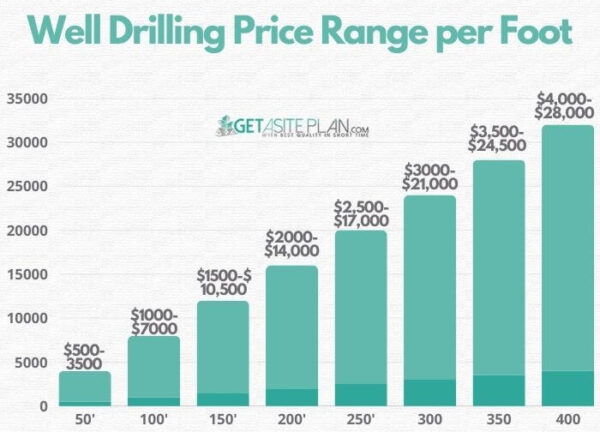
For a standard residential well in Lufkin, you’re looking at a range that makes your wallet twitch: $5,000 to $15,000. Yes, that’s a wide gap—like the difference between a used lawnmower and a brand-new zero-turn. The big factors are depth, pipe material, and whether you hit a gusher or a trickle.
Must Read
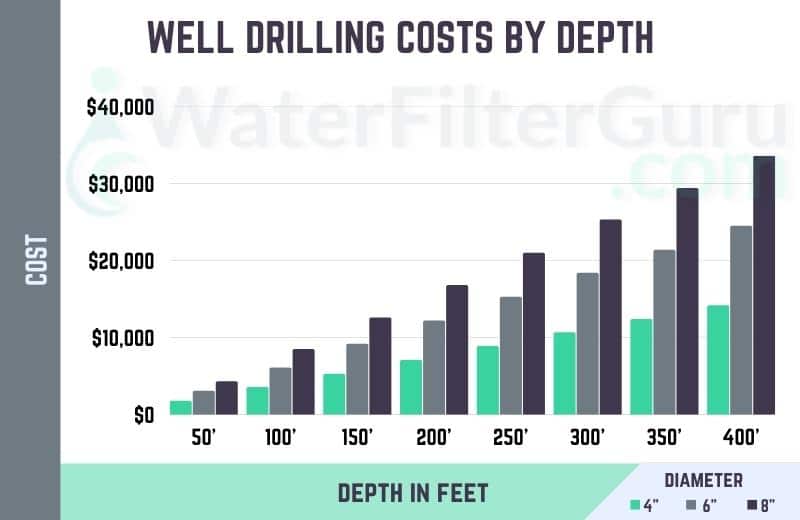
Depth is the main villain here. In Angelina County, most wells run between 100 and 300 feet deep. That’s about the height of a 20-story building, which is a fun fact to drop at the dinner table but a less fun number when the driller quotes you per foot. Expect to pay roughly $20 to $35 per foot, and that’s just for the hole.
Then comes the casing, pump, and pressure tank. Think of it like buying a car—the engine is the pump, but you also need tires, seats, and a radio. A decent submersible pump costs about $1,000 to $2,500, plus another $500 for the tank. Suddenly, that “cheap water” starts looking like a luxury vacation.
The “Surprise” Fee: Permits and Testing
Don’t forget the permits, because the county loves paperwork more than a beagle loves a squirrel. A drilling permit in Angelina County runs about $100 to $200, and you’ll need a water quality test that’s another $100 or so. It’s like paying a cover charge at a club you didn’t want to go to, but hey, clean water is worth it.
Also, if your driller hits a dry hole—which happens when the water table is playing hard to get—you’re still on the hook for the footage. That’s like paying for a meal you never ate. Always ask your driller about “guaranteed yield” clauses so you don’t end up with a 300-foot straw to nowhere.
The Anecdote: My Neighbor’s Well Adventure
My buddy Frank over in Huntington decided to drill his own well last summer. He thought it would be a fun weekend project, like building a birdhouse. After three days, a rented rig that broke down, and a pile of mud that looked like a swamp monster’s hairball, he called a pro. His final cost: $8,500. He now tells people his well water tastes like “victory with a hint of irony.”
 How Much Does a Well Cost? (2024 Well Drilling Cost Guide)
Frank’s experience taught me one thing: never cheap out on the driller. A reputable company in Lufkin, like those with decades in the Piney Woods, will charge a bit more but come with a warranty and no swearing sessions. It’s like paying for a plumber who actually shows up on time—priceless.
Does It Pay Off?
Look, if you’re a die-hard gardener or have a family of five flushing toilets like it’s an Olympic sport, a well can save you big in the long run. Angelina County’s aquifer is generally reliable, unlike your aunt’s promises to bring dessert. You’ll stop paying that monthly water bill, and your lawn will be the envy of the block—until the next drought, anyway.
But be real about it. The upfront cost is a gut punch, and you’ll need to maintain the pump and test the water yearly. It’s a relationship, not a one-night stand. If you’re not ready to commit, stick with city water and just drink more tap.
Final Tip: Get Three Quotes
Before you sign anything, get bids from at least three drillers in Lufkin or Angelina County. Compare their prices like you’re shopping for a used truck—ask about the casing thickness, the pump warranty, and if they laugh at your jokes. A good driller will walk you through the whole process, even if you show up in muddy boots.
In the end, drilling a well is about independence. You’ll have water that comes straight from the earth, not a treatment plant. And when the power goes out during a summer storm, you’ll be the only one with a working tap while your neighbors scramble for bottled water. That feeling? Worth every penny—just don’t forget the permit fees.
