During Waste Water Treatment Sedimentation Produces Effluent And What

I once watched a friend try to clear a murky fish tank by scooping out the water with a coffee mug. He spilled half of it on the carpet, and the other half just swirled the di...
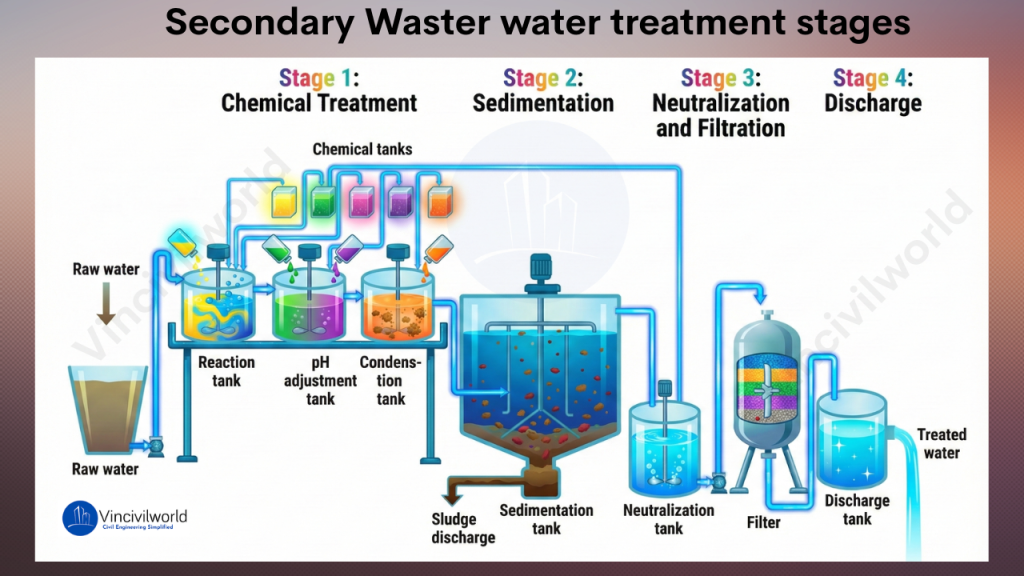
I once watched a friend try to clear a murky fish tank by scooping out the water with a coffee mug. He spilled half of it on the carpet, and the other half just swirled the dirt right back in. After an hour, the tank looked worse. I handed him a hose, and we siphoned from the bottom—letting the heavy sludge settle while we gently lifted the clean water off the top.
That, in the messiest possible way, is the entire secret of sedimentation in wastewater treatment. (And no, I didn’t let him near my aquarium again.)
So, what actually happens inside those giant tanks?
Wastewater arrives at the plant looking like a muddy, stinky soup. It’s full of solids—tiny bits of grit, organic poop, sand, coffee grounds, and whatever else went down the drain.
Must Read
First, the water slows way, way down in a big, quiet basin called a sedimentation tank (or clarifier, if you want to sound technical at parties). The goal is simple: give the heavy stuff time to fall to the bottom, like that fish tank sludge.
Gravity does the grunt work here. The heavier particles sink like stones, forming a layer of primary sludge on the floor. Meanwhile, the clearer water at the top becomes effluent—the still-dirty-but-much-cleaner liquid that moves to the next treatment stage.
Wait, is that "effluent" actually clean? (Spoiler: no.)
After sedimentation, the effluent isn't drinkable—not even close. It’s just the water that has lost its heavy, settleable solids. Think of it as the “pour-off” after letting muddy coffee grounds settle in your French press.
That effluent still contains dissolved pollutants (like ammonia, phosphorus, and tiny floaters). Those need biological treatment later, but sedimentation gets rid of about 50–70% of suspended solids. That’s a huge head start.
So the word “effluent” sounds fancy, but it’s really just the middle child of wastewater: not raw, not clean, but way more manageable.
What about that sludge on the bottom? Does it just sit there?
Nope. If you let that sludge pile up, it can rot, smell like a thousand rotten eggs, and break your treatment process. So mechanical scrapers—think of a giant, slow-moving windshield wiper—push it into a hopper.
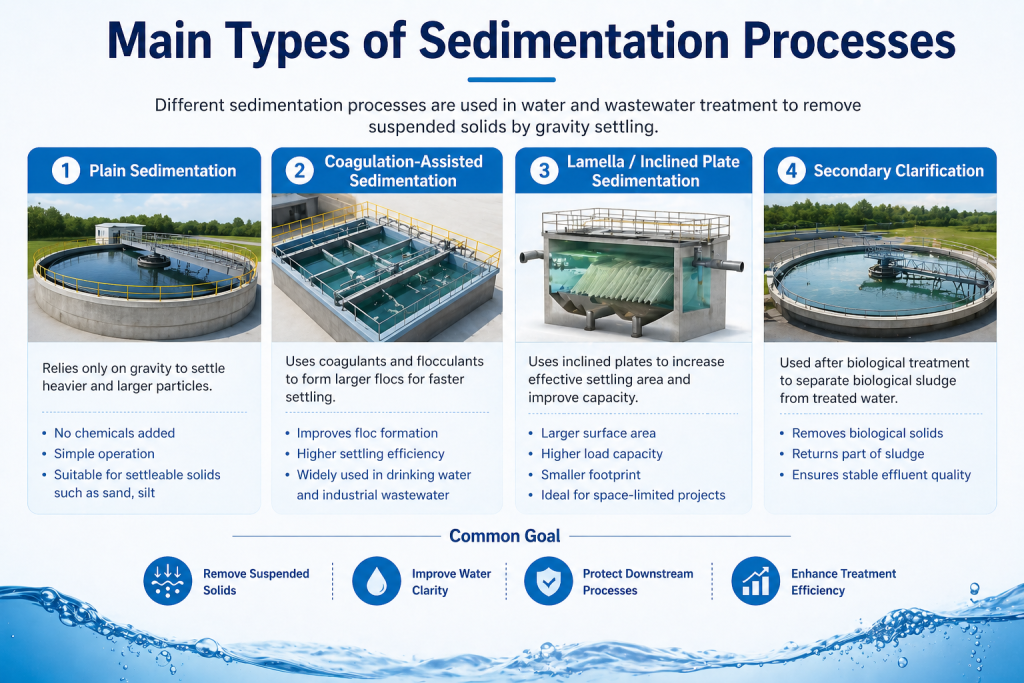 Sedimentation Process in Water and Wastewater Treatment - GL Environment
That sludge gets pumped out to digesters, where bacteria feast on it and produce methane gas. Fun irony: that gas often powers the very plant that made the sludge. So your toilet waste literally helps keep the lights on.
Why does this matter to you? (Besides avoiding a stinky fish tank situation)
Without sedimentation, all those solids would clog the next treatment steps. Filters would gum up, bacteria would suffocate, and the plant would basically choke on its own mess. Sedimentation is the unsung hero that keeps the whole operation running.
It’s also incredibly cheap. Gravity is free, and basins don’t need electricity to settle stuff. That low cost means your water bill doesn’t skyrocket just to get rid of a little floaty gunk.
But here’s the kicker—effluent from sedimentation isn’t the end of the story.
That “clean-ish” water still has dissolved crap bacteria can’t see. So next, it typically goes to an aeration tank where hungry microorganisms swallow the remaining nutrients. (Yes, bacteria are basically tiny, slimy roommates that do the cleanup for free.)
Then the water settles again in a secondary clarifier. More sludge, more effluent. By now, that effluent is clean enough to be released into rivers—or, in some places, used to irrigate golf courses. No, you can’t drink it yet. But you could, technically, shower in it without feeling too icky.
One last weird thought
Next time you flush, imagine your contribution entering that giant, quiet basin. The heavy stuff drops like a rock, while the lighter water—your effluent—slips over a weir and marches toward becoming someone’s future shower. It’s a little gross, a little miraculous, and completely ordinary.
And honestly? That friend with the coffee mug? He now uses a proper siphon. Sedimentation taught us both: patience and gravity solve way more problems than frantic scooping ever will.
