What Is The Difference Between Distilled Water And Filtered Water

Picture this: you’re standing in the water aisle of your grocery store, staring at shelves of plastic jugs like a confused caveman discovering fire. One says “distilled,” the...
Picture this: you’re standing in the water aisle of your grocery store, staring at shelves of plastic jugs like a confused caveman discovering fire. One says “distilled,” the other says “filtered,” and your brain starts making sounds like a dial-up modem. Relax. I’ve got you. Let’s settle this water war over a virtual coffee—no actual water required.
The Basic Breakdown: What’s in Your Glass?
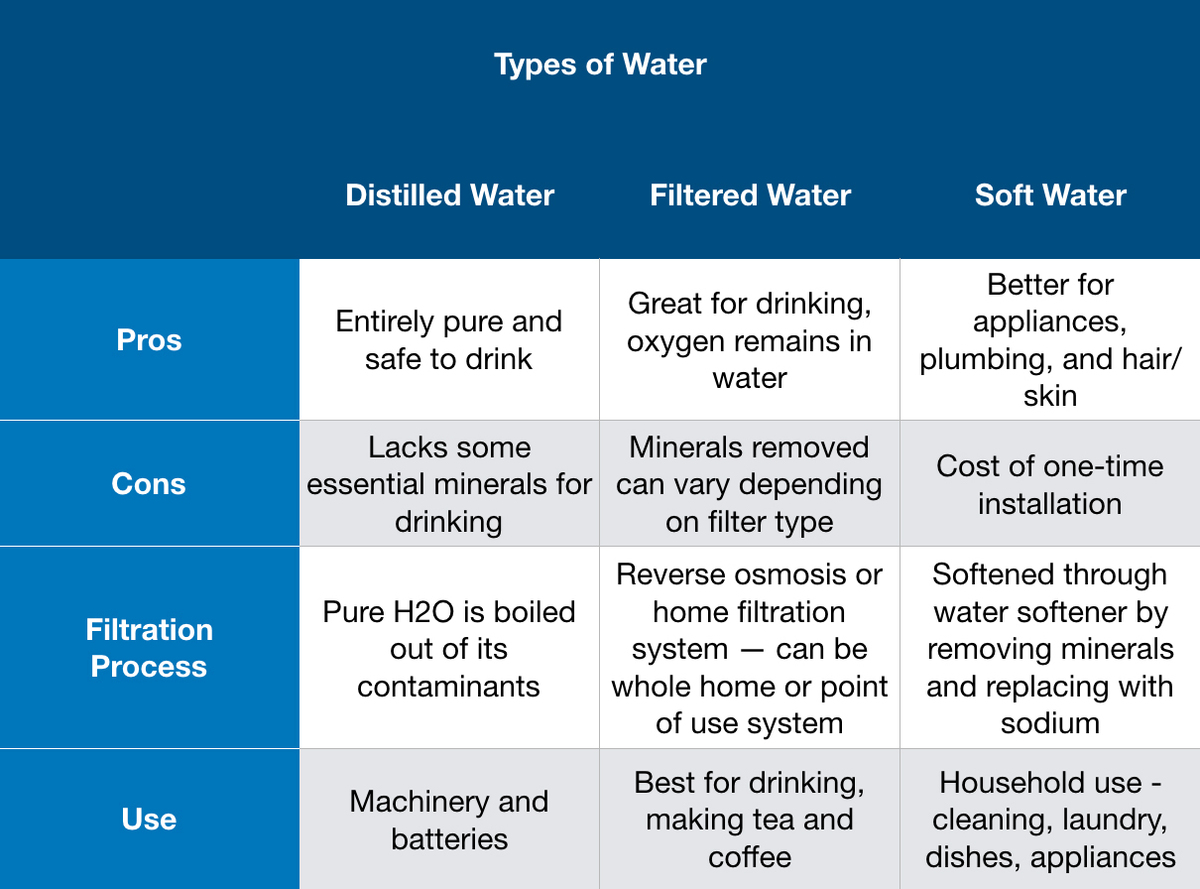
Filtered water is like a bouncer at a club—it lets the good stuff in and kicks out the riffraff. It passes through a physical barrier (charcoal, carbon, or sand) that traps sediment, chlorine, and some bacteria. But—and this is a big, wet BUT—it keeps the natural minerals like calcium and magnesium.
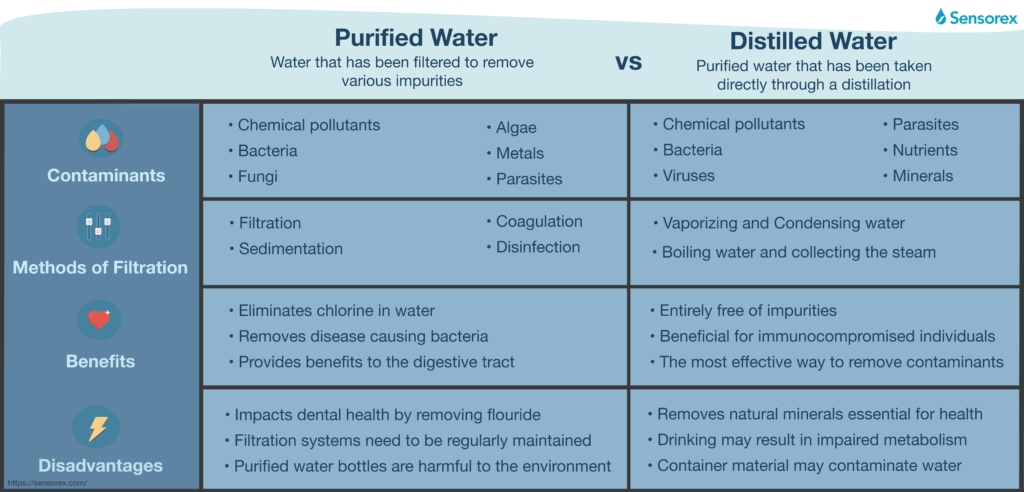
Distilled water is the water equivalent of a nuclear eviction notice. It boils the water into steam, leaving behind everything—minerals, bacteria, viruses, and even your hopes of a flavorful coffee. Then it condenses back into pure H₂O. It’s so pure, it’s practically a liquid ghost.
Must Read
Here’s the joke: If filtered water is a polite “no, thanks” to harmful stuff, distilled water is a screaming “I don’t know you, LEAVE ME ALONE” to the entire periodic table.
Surprising Fact #1: Distilled Water Can Steal Minerals
Because distilled water is so pure, it acts like a thirsty sponge. When it sits in a glass or copper pipe, it leaches minerals right out of the container. That’s why drinking only distilled water for months can actually deplete your body’s electrolytes—it’s like inviting a polite ghost to dinner that eats your silverware.
Filtered water, on the other hand, shares its minerals with you like a generous aunt. It doesn’t steal; it gives. So if you’re an athlete or someone who sweats, filtered water is your friendly hydration buddy. Distilled water is that friend who asks to borrow money and then forgets your birthday.
The Taste Test: Which One Won’t Make You Grimace?
Let’s be honest—our taste buds are fancy liars. Filtered water tastes “crisp” because it still has minerals that our tongues recognize. Distilled water tastes… flat. Dead. Like licking a sterile hospital tray.
 Distilled vs. Filtered Water: What's the REAL Difference? - Eco-savvy.blog
I once gave a glass of distilled water to my cat. She stared at me, licked it once, then walked away and started licking a dusty floor tile. That’s how boring it is. The Royal Society of Chemistry even warns that distilled water can taste “unpleasant” because the lack of dissolved minerals throws off our saliva’s pH. So unless you’re a lab experiment, stick to filtered for your drinking glass.
When Distilled Water Is the Hero (Yes, Really)
Distilled water is the introvert of the water world—it thrives in specific, weird jobs. It’s essential for ironing clothes (no mineral deposits), car batteries, humidifiers, and fish tanks for certain tropical species. Fun fact: NASA uses distilled water in space, because anything else might clog their billion-dollar plumbing. So if you ever become an astronaut, drink the ghost water.
Filtered water, meanwhile, is the life of the party. You use it for drinking, cooking pasta, making coffee, and watering your plants. Your basil plant doesn’t want distilled water—it will literally turn yellow and cry tiny botanical tears. Trust me, I’ve killed three basil plants this way.
The Cost Drama: One Will Rob You, One Won’t
Distilled water is the diva in this show. You have to buy it in jugs (or heat your kettle for hours), and it costs about $1–$2 per gallon at the store. That’s like paying for water that performs a vanishing act on your taste buds.
 What’s the Difference Between Purified vs. Distilled Water? - Sensorex
Filtered water is the budget-friendly friend. A $20 Brita pitcher or a faucet attachment gives you dozens of gallons for pennies. Over a year, you’ll save enough to buy a pizza. Or, you know, a second pitcher so you can have cold water while the other pitcher filters. Priorities.
Plus, filtered water is better for the planet. Distillation uses enormous energy (boiling all that water), while filtering just relies on gravity and some charcoal. If Mother Nature had a favorite, it’s definitely the Brita.
The Verdict: Which One Should You Choose?
For daily drinking and cooking, grab filtered water. It’s clean, tasty, and keeps your teeth happy. For specific tasks like humidifiers or laboratory experiments, go distilled. But don’t make it your only water—your kidneys will start writing passive-aggressive notes.
Here’s a final, shocking fact: The U.S. Centers for Disease Control actually says both distilled and filtered water are safe. Yes, the CDC gave both a thumbs up. So you’re not going to die from either—you’ll just have very picky retinas and a sour expression if you drink distilled.
Now go forth, my hydrated friend. Fill your cup with the water that suits your soul—and maybe add a lemon slice. It’s the only thing that can save distilled water from its own existential boredom.
