What Is The Difference Between Tap Water And Distilled Water

Picture this: You’re parched after a long run, and you stagger to the kitchen sink. You fill a glass with tap water, take a gulp, and—bam!—you taste a faint ghost of last nigh...

Picture this: You’re parched after a long run, and you stagger to the kitchen sink. You fill a glass with tap water, take a gulp, and—bam!—you taste a faint ghost of last night’s broccoli and a whisper of the city’s old pipes. That’s tap water: the everyman of hydration, the unsung hero of 99% of your household chores. But what if I told you there’s a snooty, high-and-mighty cousin called distilled water that thinks it’s too good for your copper plumbing? Let’s break down the wild, wet difference between these two, and I promise to keep the science less boring than a chemistry textbook.
First, a quick reality check: both tap water and distilled water are just H2O molecules hanging out. But tap water is like a crowded city bus—full of passengers. Those passengers are minerals like calcium, magnesium, and sometimes a dash of chlorine (the stuff that makes your pool smell like a summer job you hated). Distilled water, on the other hand, is the private jet of liquids: it’s been boiled into steam and then condensed back into pure water, leaving all those mineral hitchhikers behind. Nothing gets on that plane, not even fluoride.
Why would anyone go through the trouble of distilling water? Because sometimes you need water so pure it’s almost pretentious. Think science labs, where a single speck of calcium could ruin an experiment and send a grad student into a spiral of tears. Or think of your car battery—distilled water doesn’t leave crusty mineral deposits that murder your engine’s electrical soul. But here’s the hilarious part: you don’t actually want to drink the stuff every day. Drinking distilled water is like wearing a tuxedo to a barbecue—technically correct, but deeply weird.
Must Read
Here’s a surprising fact that’ll blow your mind: distilled water can actually leach minerals out of your body. No joke! Because it’s so pure, it acts like a thirsty sponge, pulling tiny amounts of electrolytes from your cells as it passes through. You’d have to drink gallons to notice, but still—your tap water, with its stowaway minerals, actually helps keep your heart beating and your muscles twitching. Tap water is basically a free multivitamin (with a hint of pipe rust, but we don’t talk about that).
The Taste Test: Broccoli vs. Nothing
Let’s be honest: tap water’s flavor is a lottery. If you live in a city with ancient pipes, your water might taste like a rainy day in a basement. If you’re in a mountain town, it might taste like angel tears filtered through granite. Distilled water? It tastes like nothing. Literally. It’s the most boring sip you’ll ever take—like drinking silence. Some people call it “flat” because the boiling process removes dissolved gases that give water its crisp mouthfeel. Imagine drinking a glass of pure emptiness, and you’re close.
 Tap Water vs Distilled Water - Differences & Comparison
But wait—there’s a dark side to tap water too. In 2023, a study found that a single glass of tap water can contain trace amounts of pharmaceuticals (yep, that’s someone’s leftover antidepressants swimming in your sink). Don’t panic—the levels are tiny, like one drop in an Olympic pool. Still, it’s a little unsettling, like finding a single sock in your laundry that’s not yours. Distilled water, meanwhile, is so pure it makes monks jealous. But it’s also so stripped of minerals that it can taste “dead” to your tongue. Pick your poison, literally.
So, Which One Wins the Cup? (Spoiler: It’s Not a Fight)
For drinking, tap water is the champion. It has fluoride for your teeth, magnesium for your mood, and it’s basically free (unless you live in a city that charges you for the “water tax”—looking at you, Flint). Distilled water is great for your iron, your humidifier, and your car—but for your body? It’s like eating plain oatmeal: nutritious in a boring way, but you’ll miss the flavor. Plus, tap water is regulated by the EPA, meaning it’s tested for 90+ contaminants. Distilled water is regulated by... your wallet and your patience.
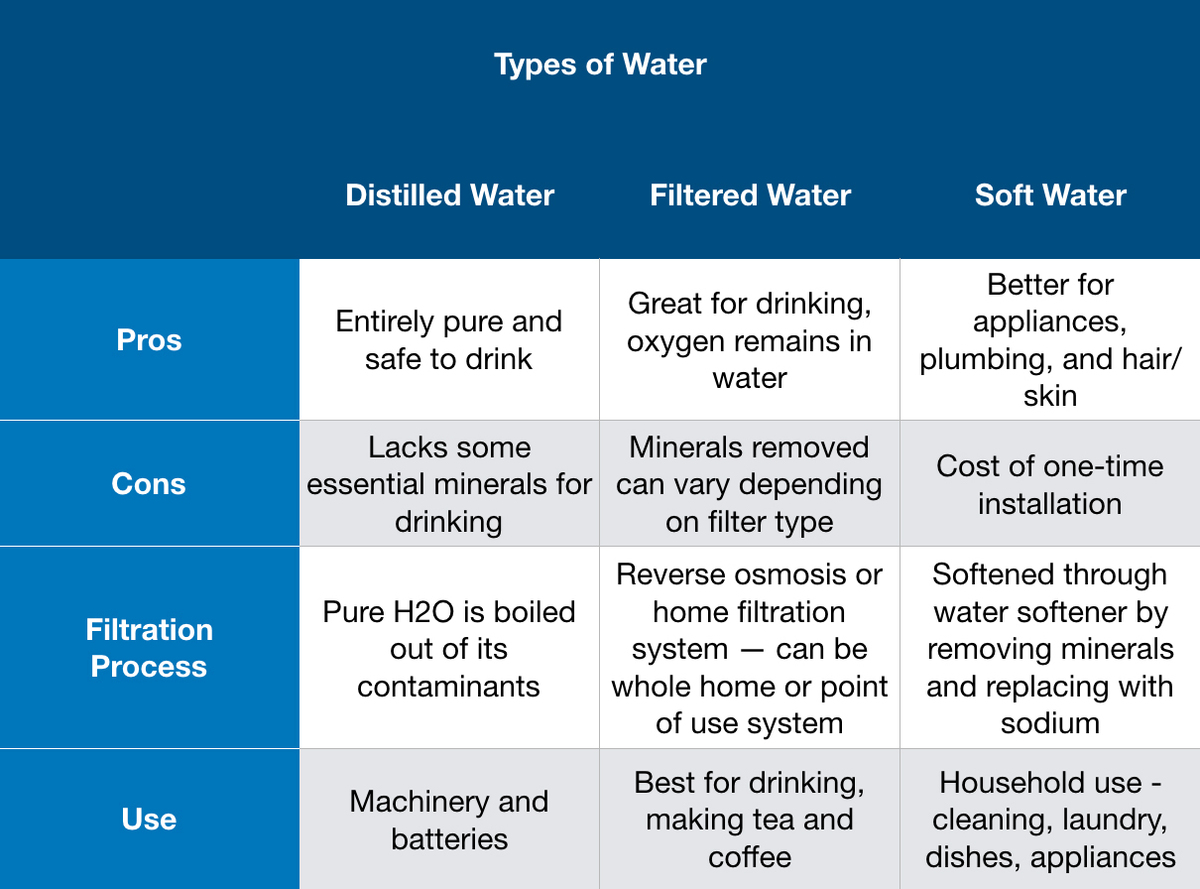 Distilled Water vs Tap Water: Is There a Difference? — WaterSmart
Here’s the kicker: some people actually buy distilled water to drink because they think it’s healthier. That’s like buying a car with no seats because “you’ll move around less.” Your body needs those trace minerals! Without them, you risk electrolyte imbalances, and your grandma’s diuretic advice might send you to the bathroom more often. Unless you have a medical reason (like a compromised immune system or a lead pipe in your building), just drink the tap water. It’s the working-class hero your body knows and loves.
In the end, the difference is simple: tap water is the messy, flavorful, reliable friend who shows up to your party with a six-pack and bad jokes. Distilled water is the polite, slightly boring guest who brings a single, expensive bottle of wine you’re afraid to open. Both are wet, both are life-giving, but only one is coming to every barbecue. So go ahead, fill your glass from the sink. Give it a suspicious sniff, shrug, and chug it down—you’ll be fine. Your body’s been handling worse than a little broccoli essence for a million years.
And if you’re still worried? Just add a pinch of salt to your tap water—it’ll taste like a spa, and you’ll feel like a wizard. Now, go hydrate. I’m parched just writing this.
