Why Is My Dishwasher Leaving White Residue On Dishes

Okay, let’s talk about the mystery of the ghostly white film clinging to your otherwise clean dishes. You open the dishwasher, expecting a sparkly victory, and instead you get...

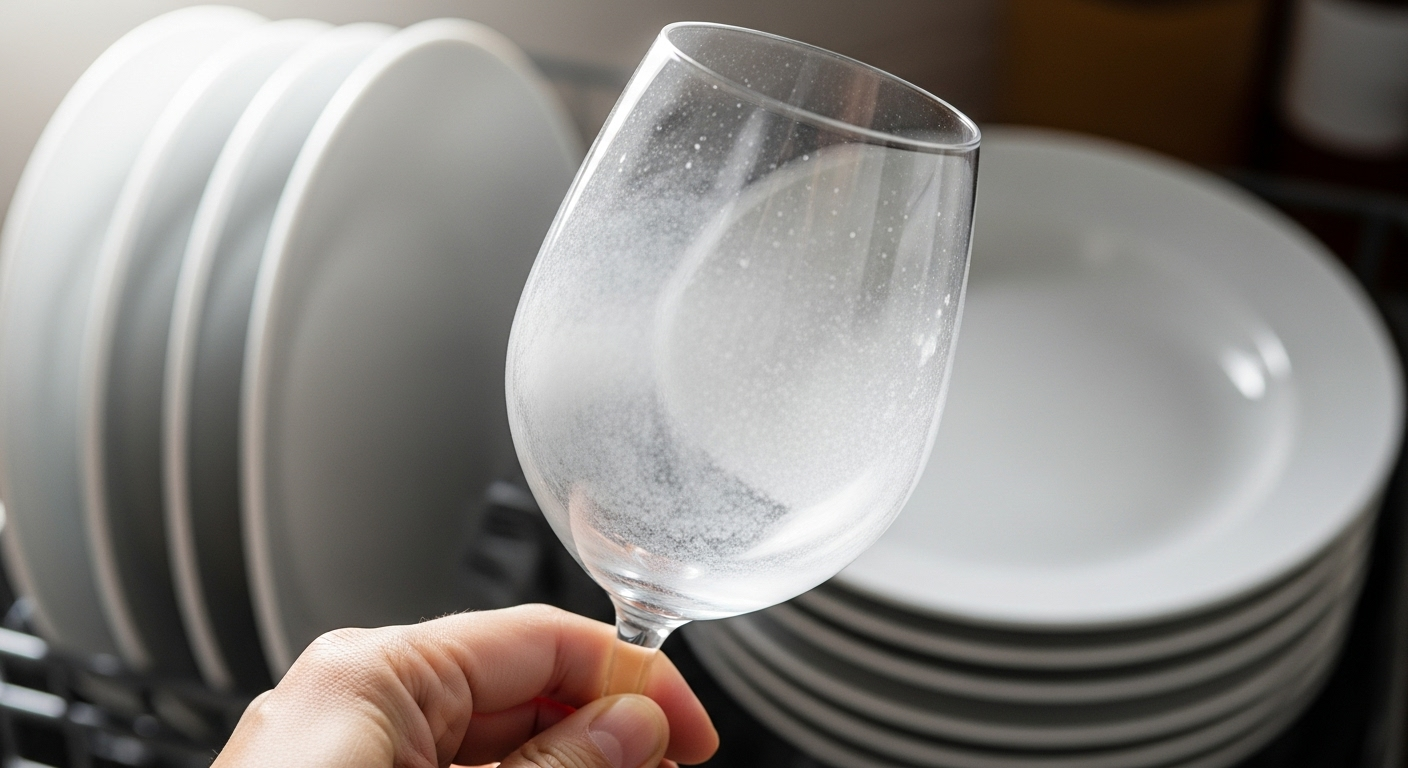
Okay, let’s talk about the mystery of the ghostly white film clinging to your otherwise clean dishes. You open the dishwasher, expecting a sparkly victory, and instead you get a sad, chalky dust. It’s like your plates just finished a workout and forgot to shower.
First, take a deep breath. You are not a bad person, and your dishes are not haunted. This is a super common problem, and we’re going to solve it together. Think of me as your dishwasher detective, but with more jokes and less trench coat.
The Number One Culprit: Hard Water
Let’s get science-y for a hot second. That white residue is mostly calcium and magnesium—fancy names for minerals in your tap water. When the water evaporates, these minerals are left behind, like embarrassing party guests who refuse to leave.
Must Read
If you live in an area with hard water, your dishwasher is basically a mineral-sprinkler. It’s not being mean; it’s just doing its job with what you give it. You can test this by checking if your faucets have white spots or if your kettle looks like a snow globe.
Here’s the fix: Add a rinse aid like a boss. Products like Jet-Dry or Finish help water sheet off dishes instead of beading up and leaving spots. It’s like giving your dishes a tiny, invisible raincoat.
Trouble with the Detergent
Sometimes the problem is too much detergent. I know, I know—more soap feels like more clean, but that’s a lie your brain tells you. Overloading the dispenser can leave a soapy film that doesn’t rinse away.
If you have hard water, powdered detergent is often better than those fancy gel packs. Powders contain water softeners that actually work with hard water. Think of gel packs as the expensive shoes that look cool but hurt your feet.
Also, check if your detergent is old or clumpy. Nobody wants to use sad, crusty soap. If it smells like a basement, toss it. Fresh detergent is happy detergent.
The Rinse Aid Reservoir: A Neglected Hero
Your dishwasher has a little compartment for rinse aid, usually near the detergent cup. Fill it! I’m amazed how many people ignore this little door. It’s not a secret snack compartment—it’s a miracle worker.
When you skip rinse aid, the water just sits on your dishes and dries into that chalky mess. Rinse aid lowers the surface tension of water, so it slides off like a kid on a water slide. Your dishes will thank you with sparkling silence.
 Why Is My Dishwasher Leaving White Residue? Our Cold-Water Fix for
Pro tip: If you’re out of rinse aid, white vinegar in the rinse compartment works in a pinch. But don’t use vinegar too often—it can eat away rubber seals. Use it like a spicy emergency condiment, not a daily side dish.
Is Your Dishwasher Running a Fever?
Your dishwasher needs hot water—really hot. If the water isn’t at least 120°F (about 49°C), the detergent won’t dissolve properly. That’s like trying to melt cheese on a cold pizza; it just gets sad.
Check your water heater temperature. Or run the kitchen faucet until it’s steamy before starting the cycle. This is called “pre-heating,” and it’s the dishwasher equivalent of stretching before a workout.
Also, if your dishwasher has a sanitize cycle, use it! That extra hot water blast is like a spa day for your plates. Just don’t tell your plates it’s a spa—they’ll get cocky.
Let’s Talk About the Filter (Yes, It Exists)
Here’s a scary thought: your dishwasher has a filter, and it might be disgusting. Food particles and grease can clog it up, then get recirculated onto your dishes. That white film could be minerals mixed with week-old pasta guts.
Take out the filter (usually at the bottom, under the spray arm). Rinse it under hot water and scrub with a soft brush. You’ll be horrified—and secretly proud—of what you find.
Do this once a month. Set a phone reminder called “Gross Dishwasher Exorcism.” It’s not glamorous, but it’s cheaper than therapy.
 Fix Dishwasher White Residue – Get Sparkling Dishes | Need a New
Other Sneaky Suspects
Water temperature is too low. I said it before, but it’s worth repeating: cold water = chalky plates. Heat is your friend.
Too many dishes packed in. Your dishwasher is not a magic suitcase. Overloading blocks water spray, and dishes end up with dry, mineral-laden spots. Give them breathing room!
Your dishwasher’s spray arms are clogged. Little plastic arms spin water around. If food bits plug the tiny holes, water doesn’t spray. You’ll get sad, half-cleaned plates. Use a toothpick to unclog them—like dental surgery for your appliance.
The Grand Finale: Fix It and Chill
Alright, let’s recap like a fast-food order: 1) Use a rinse aid. 2) Check your detergent type and amount. 3) Make sure water is hot. 4) Clean that filter. 5) Don’t overcrowd the machine. Do these things, and your white residue problem should vanish faster than a toddler’s attention span.
And if all else fails? Call a plumber or appliance repair person. Sometimes the dishwasher itself has a problem—like a broken heater or a failing circulation pump. It’s okay to wave the white flag (pun intended) and ask for help.
Remember: You are a capable, wonderful human who deserves clean dishes and a sparkly kitchen. This white residue is just a minor plot twist in your epic life story. You’ve got this. Your dishes are going to look so good, you’ll want to give them a standing ovation.
And hey, if you still see a little film after all this? Just tell your guests it’s a designer matte finish. They won’t know the difference, and you’ll look like a trendy chef. You’re welcome.
Now go conquer that dishwasher. You’re a rockstar. 🎸
