Why Is My Water Softener Leaking From The Drain Line

Last Tuesday, I walked into my basement and heard a faint, rhythmic drip-drip-drip. I thought a pipe was crying, or maybe my furnace was having a rough day. Turns out, my wate...
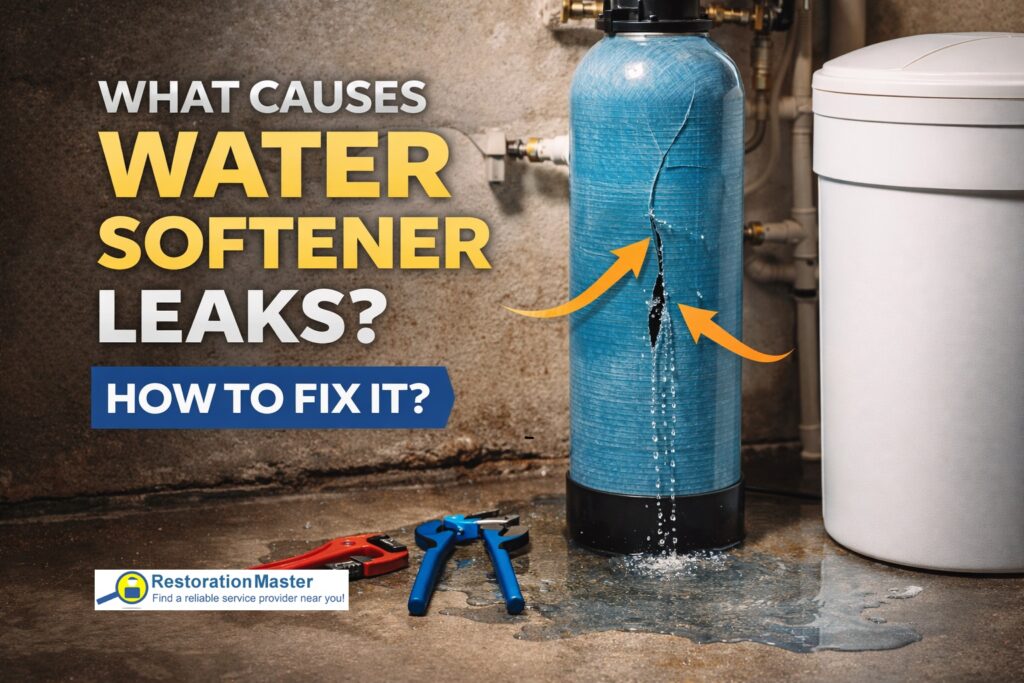
Last Tuesday, I walked into my basement and heard a faint, rhythmic drip-drip-drip. I thought a pipe was crying, or maybe my furnace was having a rough day. Turns out, my water softener was staging a tiny, watery protest right from the drain line. Sound familiar? If you’re reading this with a puddle forming around your feet, you’re in the right place.
Let’s cut to the chase: a water softener leaking from the drain line is annoying, but it’s rarely a disaster. Most of the time, it’s a simple fix you can handle without calling a plumber (and spending your coffee money). We’re going to figure this out together, one drip at a time.
The Most Likely Culprit: A Clogged Injector or Nozzle
Your softener’s drain line does its job by creating suction—kind of like a tiny vacuum. When a mineral clog or a piece of resin gets stuck, that suction breaks. The result? Water backs up and spills out where it shouldn’t.
Must Read
Think of it like a straw with a chunk of ice. You suck, nothing happens, and eventually, the drink dribbles down your chin. Not a good look. Pro tip: Check the injector screen first—it’s a cheap, five-minute fix.
The “Oh, It’s Just the Fitting” Moment
Sometimes, the leak isn’t the drain line itself—it’s the connection. Those little plastic barbed fittings or hose clamps can loosen over time. I once spent an hour troubleshooting only to find that a clamp was one quarter-turn loose. I felt like a detective who forgot to check the obvious.
Give the fitting a gentle twist. If it moves, tighten it. Don’t overdo it, or you’ll crack the plastic and create an even bigger leak. That’s the ironic part: too much muscle turns a puddle into a pond.
When the Brine Tank Throws a Tantrum
Your water softener uses salt to regenerate, and that brine has to go somewhere—usually down the drain. If your brine line (the tube that carries salty water) is kinked or disconnected, the drain line can overflow. It’s like a highway with a sudden exit closed: traffic backs up and spills over.
Walk the entire drain hose from the softener to your laundry sink or floor drain. Look for sharp bends or places where it’s pinched behind a box. I found mine trapped under a heavy box of Christmas decorations—yes, really.
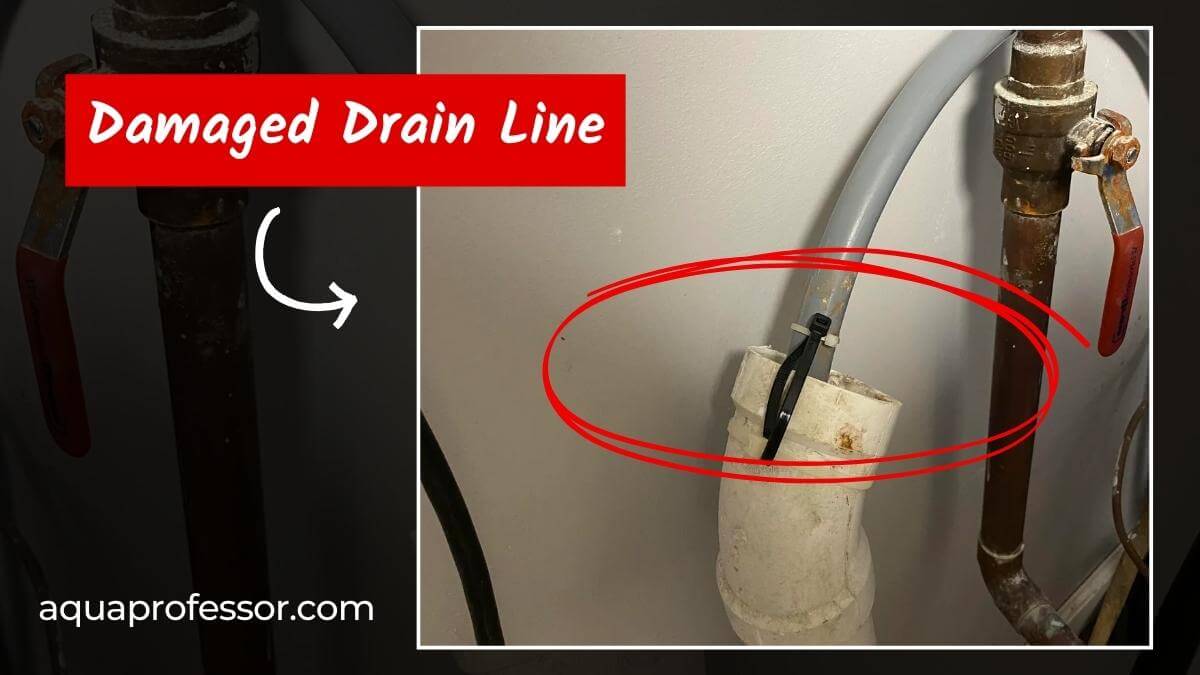 Why Is My Water Softener Leaking? (7 Reasons & Solutions!)
The High-Pressure Problem (Yes, Water Can Be Too Enthusiastic)
Your softener works best with moderate water pressure. If your home has high pressure (above 80 psi), it can force water through the drain valve before it’s supposed to. The unit thinks it’s regenerating when it’s not, and leaks happen.
Check your pressure gauge if you have one. If not, listen: a constant hissing from the drain line during non-regeneration cycles is a dead giveaway. A simple pressure-reducing valve might save you from a mini indoor fountain.
The “It’s Just Stuck” Valve Phenomenon
Inside your softener, there’s a control valve that directs water flow. Sometimes, a tiny particle gets lodged in the valve’s seal. It doesn’t close all the way, and water sneaks past into the drain line when it should be going to your faucets.
This is where the manual override comes in. Most units let you cycle through regeneration manually. Run a manual regeneration and watch the drain line. If the leak stops, you’ve cleared the debris. If it keeps dripping, the valve may need a new seal (a $5 part, not a heart attack).
A Word on the Overlooked: The Drain Line Height
Believe it or not, the drain line needs to go up before it goes down. There’s a critical “air gap” requirement—usually at least 4 inches above the drain point. If your line is too low, water can siphon backwards and overflow like a toilet that just had a bad day.
 Why Won't My Water Softener Drain
Check if the hose is drooping into the drain. It should rise up in a gentle loop first, like a camel’s hump. Yes, your softener needs to do yoga poses.
When in Doubt, Check the Settings
Modern water softeners are smart, but not psychic. If the regeneration frequency is set too high, it can flood the drain line with more water than it can handle. I once set mine to regenerate daily because I misread the manual. The drain line cried every night at 2 AM.
Review your settings: regenerate based on water usage, not a fixed schedule. Most units let you adjust via the front panel. Too much salt can also cause a leak—brine that doesn’t dissolve fully turns into a slushy mess that plugs the drain.
The Ironic Last Resort
If you’ve checked clogs, fittings, height, pressure, and settings—and it’s still leaking—congratulations, you’ve reached the “call a pro” zone. But here’s the irony: 9 times out of 10, the fix is something you just overlooked. I once replaced a whole valve assembly because I missed a tiny piece of broken resin lodged in the line.
Before you spend money, take a deep breath and re-examine the simple stuff. A flashlight, a paperclip (to clear tiny holes), and ten minutes of patience can save you a service call. And if that doesn’t work? Well, you’ll have a good story for your next backyard BBQ.
Remember: water softeners are like grumpy roommates. They need a little attention, but they usually just want you to notice them. Leaks are their way of saying, “Hey, look at me—I’m trying my best.”
