What Is The Difference Between Seltzer And Club Soda

There you are, staring down a shelf of sparkling waters at the grocery store, feeling a bit like you’re about to choose a life partner. Seltzer, club soda, tonic water—they al...

There you are, staring down a shelf of sparkling waters at the grocery store, feeling a bit like you’re about to choose a life partner. Seltzer, club soda, tonic water—they all fizz, but they are not the same. Let’s clear the bubbles, once and for all.
At its core, the difference comes down to ingredients. Seltzer is simply carbonated water—plain H₂O pumped with carbon dioxide gas. Club soda is the same, but with added minerals like potassium bicarbonate and sodium citrate.
Those tiny mineral additions give club soda a rounder, slightly saltier taste. Seltzer tastes clean and crisp, like a blank canvas. Club soda whispers a subtle, savory note that makes it feel a little more “finished.”
Must Read
The Bubbles in Your History Book
Believe it or not, seltzer wasn’t invented by a tech startup. It takes its name from the German town of Selters, known for its naturally effervescent springs. The original “seltzer” was just a bottled version of that fizzy spring water.
Club soda came later, in the 19th century, as a copycat of those natural mineral waters. Bartenders wanted a cheap, consistent bubbly mixer, so they invented soda by adding minerals to plain carbonated water. The name “club” came from the gentlemen’s clubs where it was first popularized.
Fun fact: Sparkling mineral water, like Perrier or San Pellegrino, is a third category entirely. That stuff gets its carbonation from the source, not from an added gas tank. It comes with its own distinct minerality and terroir.
Mixing, Sipping, and Social Codes
If you’re building a cocktail, club soda is the bartender’s secret weapon. Its minerals soften the alcohol’s bite and add a faint salinity that pairs beautifully with spirits. Think Tom Collins, a highball, or a classic gin and tonic (well, use tonic for that one—see below).
Seltzer, by contrast, is the purist’s choice for mocktails and everyday hydration. Because it has no added sodium, it’s often the go-to for people watching their salt intake. It’s also a godsend for making DIY fruit spritzers at home.
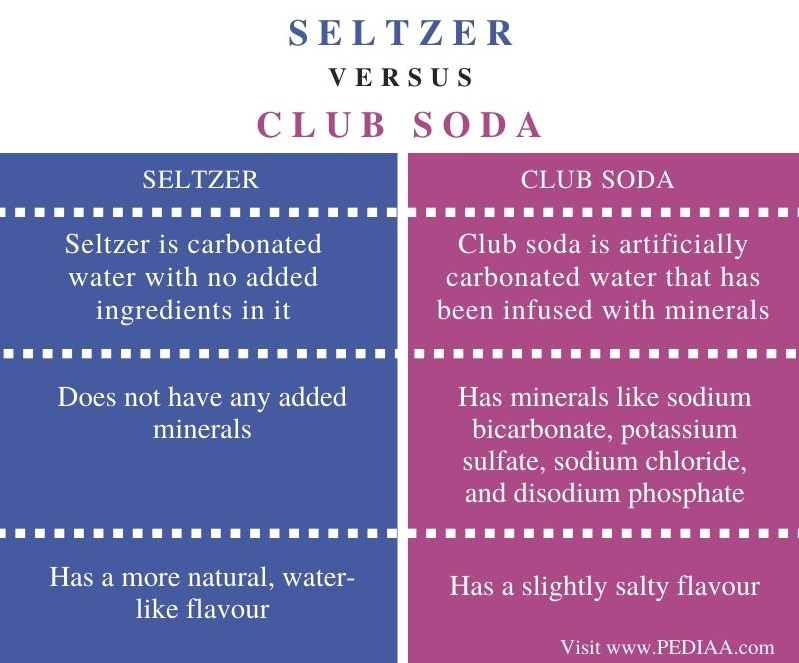 What is the Difference Between Seltzer and Club Soda - Pediaa.Com
Don’t confuse club soda with tonic water. Tonic has quinine and sugar (or high-fructose corn syrup), giving it a bitter-sweet taste. That’s why it’s a mixer, not a hydrator. A gin and soda is not a gin and tonic—trust me, I’ve made that mistake.
Practical Tips for the Fizz-Curious
Want to test the difference? Buy a can of seltzer and a can of club soda (same brand, if possible). Pour each into a glass, wait a few seconds for the fizz to settle, and taste them side-by-side. The club soda will feel slightly heavier on your tongue.
For a lower-sodium lifestyle, seltzer is your friend. Club soda typically has 50-70mg of sodium per 12-ounce serving. That’s not a ton, but it adds up if you’re drinking several cans a day. Seltzer is usually sodium-free.
Here’s a pro tip for homemade cocktails: If you prefer a cleaner, more acidic taste, use seltzer. If you want a smoother, more integrated drink that feels like a professional mixed it, reach for club soda. Your taste buds will thank you.
Cultural Sips: The Seltzer Renaissance
Seltzer is having a massive cultural moment, driven by brands like LaCroix, Spindrift, and Bubly. It’s the zero-sugar, zero-guilt alternative to soda, and it’s spawned entire memes about “LaCroix tastes like a hint of a memory of a fruit.”
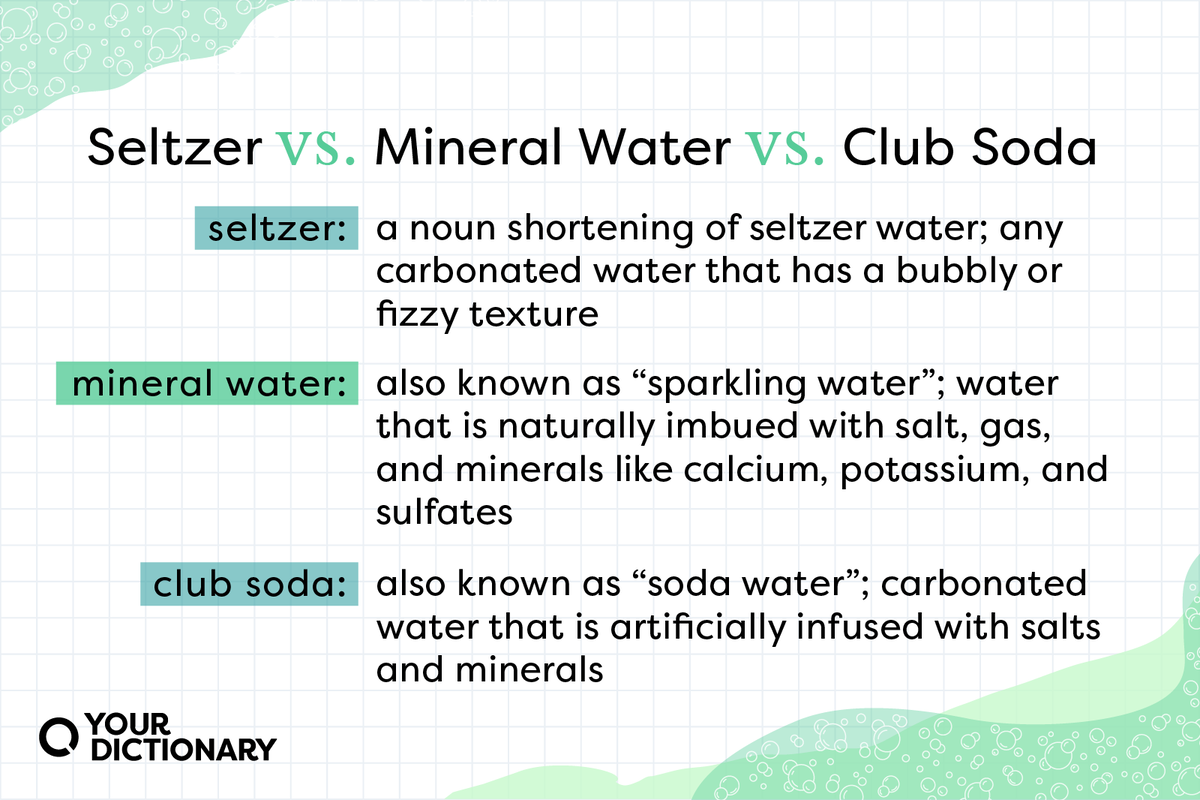 The Difference Between Club Soda, Seltzer, And Sparkling Water – TFLMXN
Club soda, meanwhile, lives in the golden era of cocktail culture. It’s the quiet workhorse behind your favorite bar’s Collins or the crisp back of a whiskey highball. It’s less flashy but infinitely reliable.
Pop culture reference: Remember the scene in Mad Men where Don Draper orders a “club soda” on the rocks? That’s the old-school aesthetic. Today, if you order a seltzer at a cocktail bar, you might get a raised eyebrow—but at a coffee shop or a picnic, it’s totally normal.
The Bottom Line (Without the Bubbles)
So, what should you buy? If you want plain hydration with a sparkle, choose seltzer. It’s the minimalist’s choice. If you want a mixer or a more sophisticated sip, grab club soda. The minerals matter.
And if you really want to feel fancy, buy both. Keep seltzer for your afternoon water break, and club soda for your Friday night negroni experiment. Your kitchen will thank you.
A final, fun detail: The bubbles in seltzer are actually larger and faster than those in club soda. The minerals in club soda stabilize the bubbles, making them smaller and longer-lasting. That’s why club soda stays fizzy longer in your drink.
A short reflection to end: In a world full of decisions—big ones, small ones, confusing ones—knowing the difference between seltzer and club soda is a tiny, satisfying anchor. It’s a reminder that sometimes the simplest choices have the clearest answers. So next time you reach for that can, you’ll know exactly what you’re getting. Cheers to that.
