How To Get Rid Of Coliform Bacteria In Well Water

So there I was, on a picture-perfect Saturday morning. I poured myself a tall glass of ice water from the tap, took a big gulp, and immediately noticed a faint, sulfurous “rot...
So there I was, on a picture-perfect Saturday morning. I poured myself a tall glass of ice water from the tap, took a big gulp, and immediately noticed a faint, sulfurous “rotten egg” taste. My stomach did a little flip. I looked at my smiling kids gulping down their breakfast juice—juice made with that same water—and thought, “Oh no. We’ve got company we didn’t invite.” That’s how I found out about coliform bacteria, the uninvited guests in my well water.
You see, coliform bacteria are a bit like that weird cousin who shows up unannounced—they’re usually harmless on their own, but their presence means something else is wrong. They’re a sign that your well’s protection system has a crack in it (literally or figuratively). But don’t panic! We can evict them without a full-on hazmat suit situation. Let’s talk money and sanity here.
Step One: Confirm the Party Crashers
Before you go full chemistry nerd, you need a test. Not just a glance at the water—get a proper, certified lab test for coliform bacteria. It’s like checking the guest list before you throw a party. Most local health departments or private labs will run this for around $30 to $50. Do it. Don’t guess. (I once guessed my water was fine and spent a week boiling water for coffee. Never again.)
Must Read
If the test comes back positive, don’t throw your well pump in the trash. It just means there’s a pathway for surface water or dirt to sneak in. It’s fixable. I promise.
Strike One: Shock Chlorination (Your First Tool)
This is the nuclear option for your well—and it’s surprisingly simple. You pour a high dose of chlorine bleach directly into the well casing, circulate it through the plumbing, and let it sit for 12 to 24 hours. Then you flush everything out. It’s like giving your well a deep, deep bath with bleach. The chlorine kills bacteria on contact, but it’s temporary.
Here’s the ironic part: you’ll then need to test your water again to make sure you actually killed the problem. If the coliform comes back after shock chlorination (and it often does), it means the source of contamination is still there. That’s when you move to the next step.
Find the Leak, Don’t Just Mask the Stink
Coliform bacteria are masters of the “hide and seek” game. They usually enter through a crack in the well casing, a loose cap, or a damaged seal around the pipe. Check your well cap—is it intact? Is there a gap where bugs or rain can get in? A $20 well cap replacement can save you hundreds in treatment later. Yes, really.
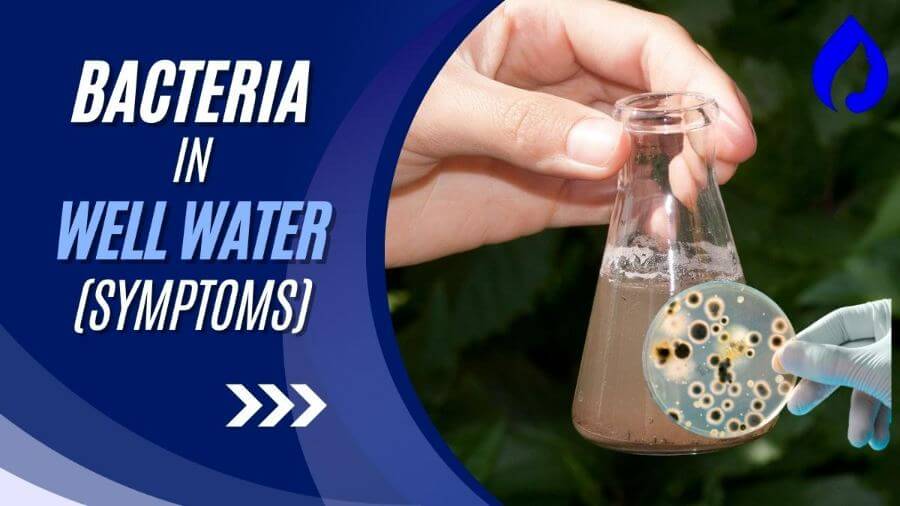 How To Filter Coliform Bacteria In Well Water at Maureen Baker blog
Also, look at the ground around your well. Is it sloping toward the well head? Water pooling there? That’s like inviting bacteria to a pool party. Fix the grade, and you cut off their delivery route. Simple, right?
Step Two: Continuous Disinfection (The Long Game)
If shock chlorination fails and the source is fixed, you might need a continuous disinfection system. This is not as scary as it sounds. The two most common are a UV light system or a chlorine injector. UV light zaps bacteria as water flows past it—no chemicals, no weird taste. It’s like a tanning bed for germs, but deadly for them. Chlorine injectors work like a mini bleach fountain, but you still need to remove the chlorine taste with a filter afterward.
UV systems cost about $400 to $800 installed, and they last years with just a new bulb every 12 months. That’s cheaper than buying bottled water for five years. (C’mon, you know you’ve done the math on that one.)
The “Oops, I Forgot” Filter
Here’s a trick: install a sediment filter before your UV or chlorinator. Why? Because coliform bacteria love to hitch a ride on dirt particles. If you filter out the mud, you remove their taxi service. A simple 5-micron filter cartridge costs $10 and can stop a lot of headaches. Change it every three months, set a phone reminder. Your future self will thank you.
 How to Treat and Eliminate Coliform Bacteria in Well Water
When to Just Call a Pro (And Not Feel Bad)
Look, I’m all for DIY, but if your well is deeper than 50 feet, or if you find the well cap is buried under three feet of dirt, maybe hire a licensed well contractor. They have a device called a packer that seals off the well, and they can do a proper “step-test” to find cracks. It costs a few hundred bucks, but it’s cheaper than replacing a whole well.
One last note: never use pool shock or industrial bleach. Stick to household unscented bleach (6% sodium hypochlorite). Pool shock is too concentrated and can damage your pump. I learned that the hard way—and my wallet still flinches when I think about it.
The Takeaway
Coliform bacteria in your well water is not a death sentence for your water supply. It’s a wake-up call. Start with testing, then shock chlorination, then fix the physical damage, and if needed, install a continuous disinfection system. It’s a process, not a miracle. And hey, if you screw up a step, just boil your water and try again. You’re not a failure—you’re a student of water chemistry.
Now go forth and test your well. I’ll be over here, sipping my ice water without the “rotten egg” aftertaste. And yes, I triple-tested it first. You’re welcome.
