Does Decaffeinated Coffee Have Health Benefits

Let’s be honest: decaf coffee has a reputation problem. It’s often seen as the boring cousin at the family reunion—present, but nobody’s excited to see it. But here’s the twis...
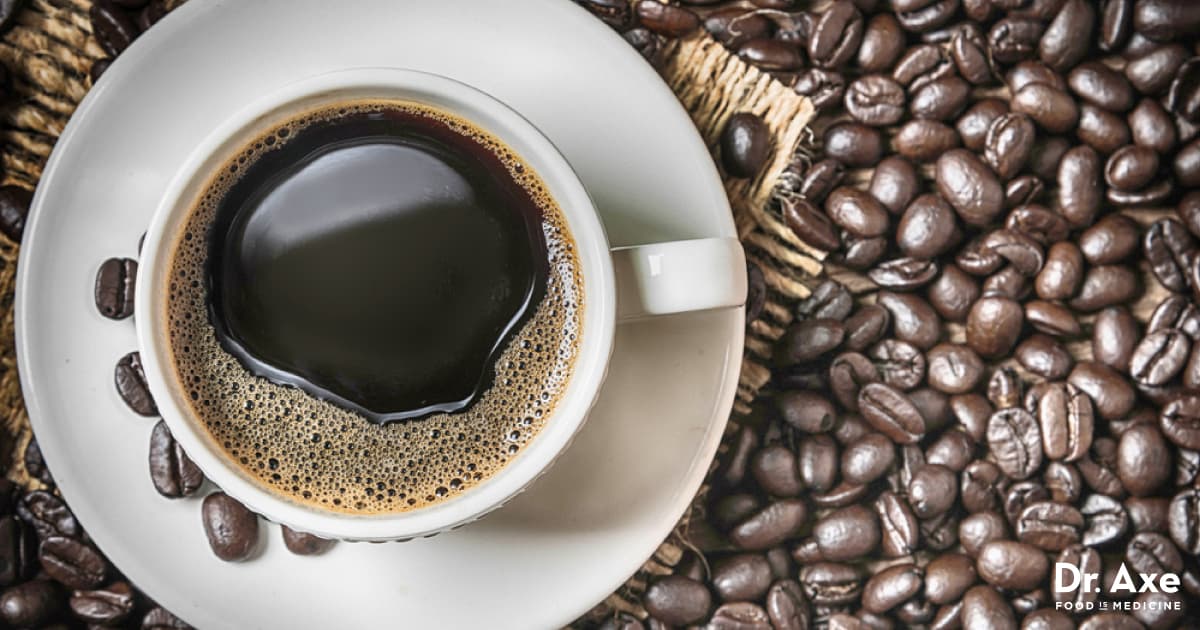
Let’s be honest: decaf coffee has a reputation problem. It’s often seen as the boring cousin at the family reunion—present, but nobody’s excited to see it. But here’s the twist: modern science is giving decaf a glow-up, and it’s actually packed with surprising health benefits.
First, let’s clear the air. Decaf isn’t completely caffeine-free, but it’s close, with about 2 to 5 milligrams per cup versus 95 in a regular brew. That tiny amount means you dodge the jitters, the post-lunch crash, and that 3 p.m. anxiety spiral we all know too well. Instead, you get to sip something warm and ritualistic without the energy rollercoaster.
The Antioxidant Powerhouse Hidden in Plain Sight
Here’s the fun fact that’ll make you feel smug: both regular and decaf coffee contain nearly identical levels of antioxidants. Specifically, polyphenols like chlorogenic acid, which fight inflammation and oxidative stress. A 2022 study in the Journal of Nutrition even found that decaf drinkers had lower markers of cellular damage—almost as good as the caffeine crowd.
Must Read
Think of it this way: your morning cup, even without the buzz, is still a tiny shield against aging and disease. It’s like wearing sunscreen for your insides, minus the sticky residue.
Liver Love, Without the Stimulant
Your liver doesn’t care about caffeine; it cares about antioxidants and liver-friendly compounds. Research shows that decaf coffee consumption is associated with lower levels of liver enzymes, indicating reduced inflammation and damage. One 2021 meta-analysis even linked decaf to a lower risk of liver cancer—yes, you read that right.
So go ahead, order that second cup post-dinner. Your liver will thank you, and you won’t be staring at the ceiling at 2 a.m., wondering if you left the stove on.
Fun fact: The decaffeination process, often using water or ethyl acetate, actually preserves most of these beneficial compounds. The beans are steamed, soaked, and rinsed—but the good stuff sticks around. It’s a win-win.
The Sleep-Friendly Sip
Let’s get cultural for a moment. In Italy, ordering a “caffè decaffeinato” after dinner is practically a national sport. Italians know that the real point of coffee isn’t the jolt—it’s the pause. It’s the ritual of wrapping your hands around a warm cup, inhaling the roast, and letting conversation linger without consequences.
Decaf lets you have your cake and eat it too—or rather, your biscotti and drink your coffee. No sleep disruption, no midnight regret. Sleep is the ultimate health hack, and decaf is its loyal sidekick.
 Is Coffee Good for You - The Coffee Blog
Practical tip: If you’re sensitive to caffeine, switch to decaf after 2 p.m. Your circadian rhythm will thank you, and you’ll avoid that weird 5 p.m. caffeine-fueled alertness that keeps you wired until 11.
Heart Happy, Pressure Down
Think caffeine is bad for your heart? Well, black coffee lovers aren’t doomed, but decaf might actually offer a gentler path. A 2020 study in Heart found that moderate coffee intake—including decaf—was linked to lower risk of heart failure and stroke. The key is the magnesium, potassium, and anti-inflammatory compounds that relax blood vessels.
And here’s the kicker: decaf doesn’t spike blood pressure the way regular coffee can in some people. If you’re the type whose heart races after a latte, decaf is your chill buddy. It lowers inflammation without the adrenaline side effect.
The Gut-Friendly Glow
Your digestive system has feelings too, and decaf respects them. Regular coffee can stimulate stomach acid production, causing heartburn or IBS flare-ups in sensitive souls. Decaf is typically gentler on the gut lining, and compounds like cafestol and kahweol—found in both types—may actually promote healthy gut bacteria diversity.
Plus, let’s talk about the morning b word—bowel movements. Decaf can still get things moving, but with a softer touch. It’s like a polite nudge instead of a fire alarm.
Pro tip: If you’re drinking decaf, invest in a quality bean. The decaffeination process can sometimes strip flavor, so look for Swiss water-processed or organic blends. Your taste buds deserve dignity, even without the buzz.
 Infographic: How much caffeine is in decaffeinated coffee? | Royal Cup
Mental Clarity, Minus the Crash
We romanticize caffeine as a productivity tool, but let’s be real—too much leads to anxiety, brain fog, and that weird jittery typing thing. Decaf offers a steady stream of alertness without the crash. Why? Because the mood-boosting compounds like tryptophan and serotonin precursors aren’t tied to caffeine’s rollercoaster.
Imagine this: you’re at a cozy café, reading a novel, and you want that warm sensory hit without the “I need to run a marathon” energy. That’s decaf’s sweet spot. It’s the coffee equivalent of a leisurely Sunday—still delicious, but with zero pressure.
And for the skeptics: no, decaf is not a chemical dump. The FDA and European Food Safety Authority approve the decaffeination methods, and any trace solvents are within safe limits. Modern decaf tastes like coffee, smells like coffee, and even feels like coffee if you close your eyes.
The Bottom Line: It’s a Vibe, Not a Compromise
So here’s my reflection for you: next time you’re in line at your local shop, order a decaf latte without apologizing. Don’t say, “I know, it’s weak.” Instead, own it. Tell the barista, “I’m prioritizing my sleep and my liver today.”
Decaf is not a concession; it’s a choice. It’s the choice to love coffee’s ritual without sacrificing your health. It’s the choice to sip slowly, breathe deeply, and let the day unwind naturally. The antioxidants, the liver love, the gut gentleness—they’re all real, and they’re all yours for the taking.
So go ahead, pour yourself a cup of decaf. Your body, your mind, and your 10 p.m. bedtime will be grateful. And hey, you’ll still smell like a coffee shop—which is arguably the best accessory you can wear.
Final fun fact: The world’s first decaf coffee was invented in 1903 by a German merchant named Ludwig Roselius. He accidentally discovered the process when a shipment of beans was soaked in seawater. That happy accident changed coffee culture forever. Sometimes, the best things happen by decaf-dent.
