Does Boiling Tap Water Make It Safe To Drink

Let’s face it—you’ve probably stood at your kitchen sink, stared at a glass of tap water, and wondered: “Is this stuff really safe?” Maybe you’ve heard that boiling it kills t...
Let’s face it—you’ve probably stood at your kitchen sink, stared at a glass of tap water, and wondered: “Is this stuff really safe?” Maybe you’ve heard that boiling it kills the bad guys, but is that the whole story? Grab a mug of tea (yes, that’s boiled water), and let’s dive into this fizzy little question together.
The Short Answer: Yes—With a Huge Asterisk
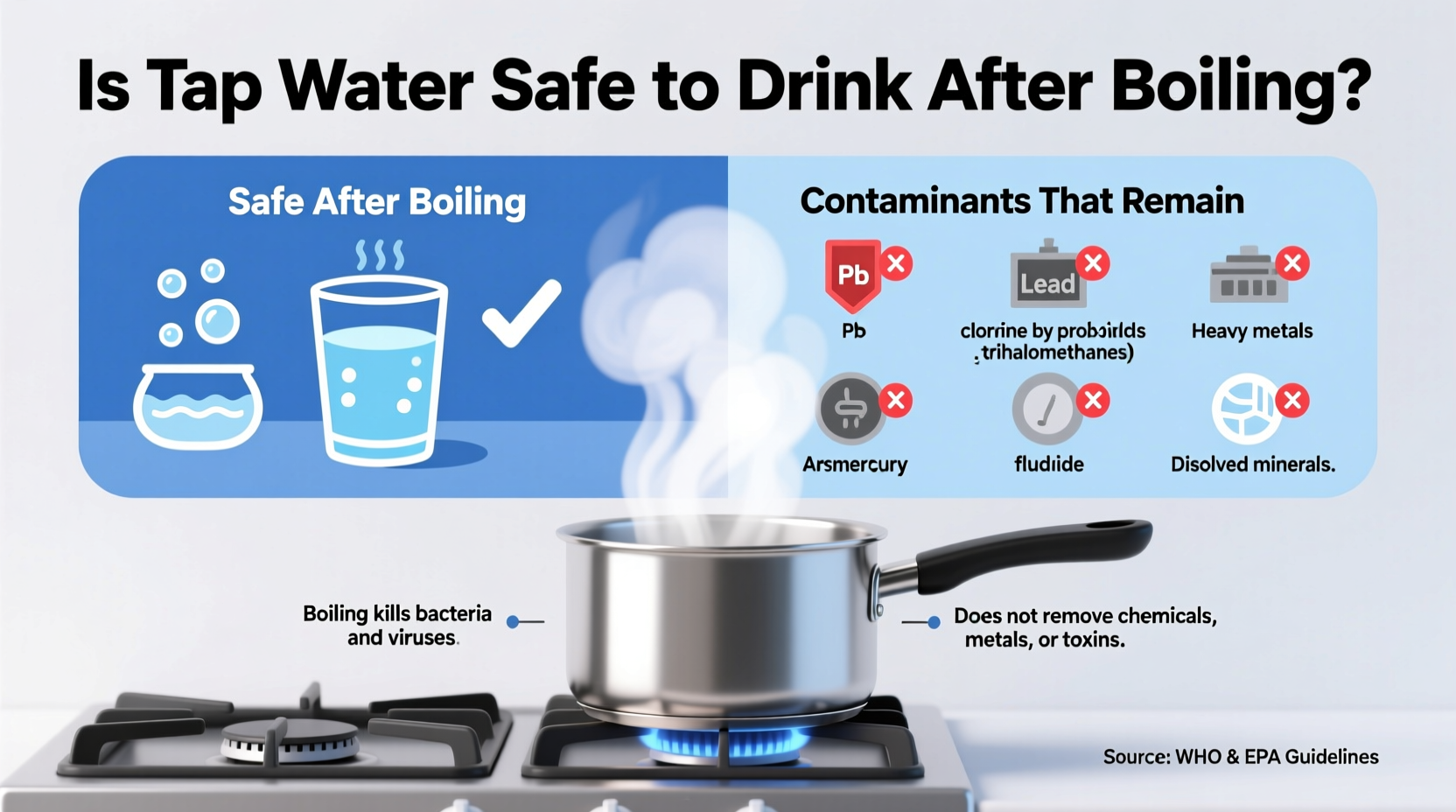
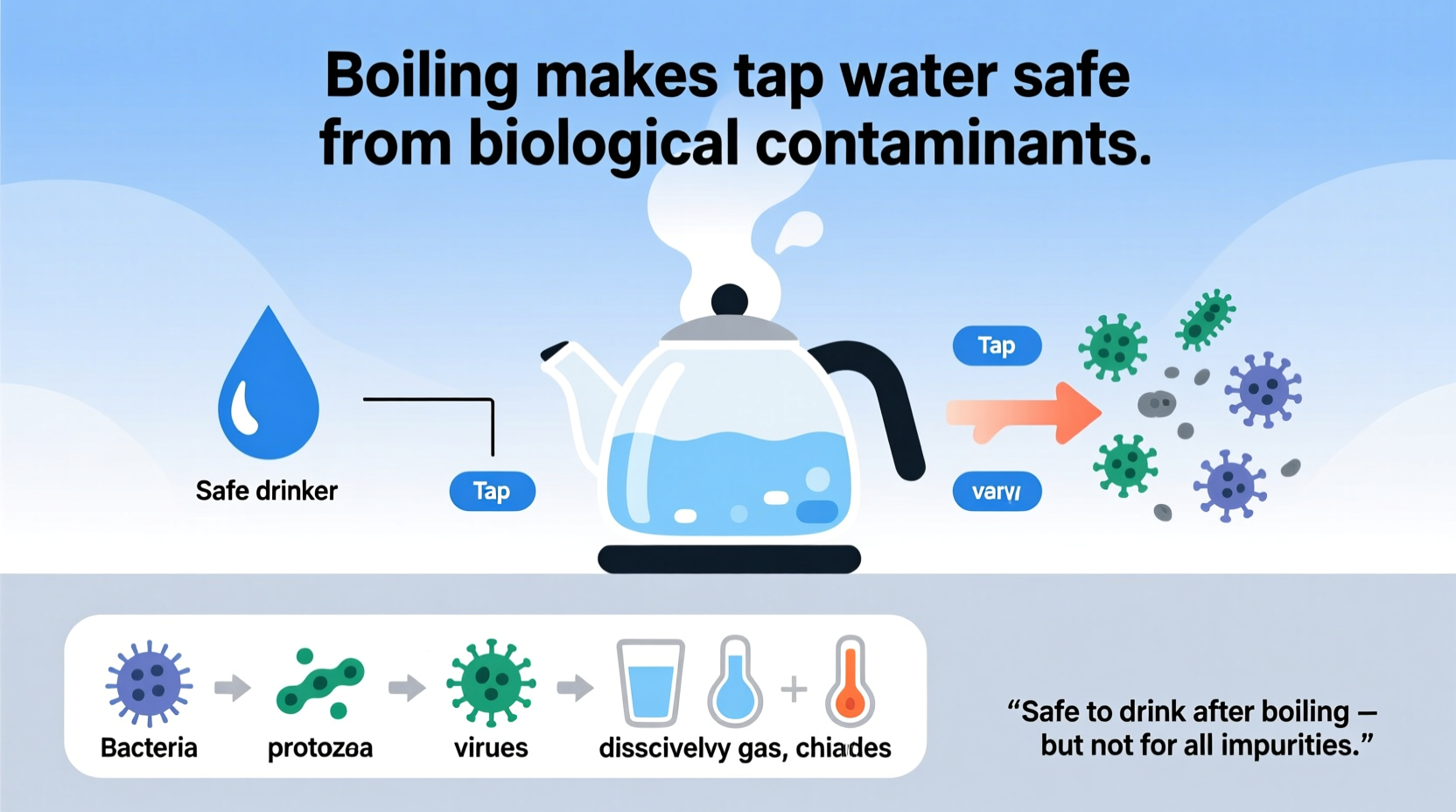
Boiling tap water does make it safe to drink when done correctly. It zaps most bacteria, viruses, and parasites that might be lurking. Think of it as a spa day for your microbes—they get cooked into oblivion.
But here’s the twist: boiling won’t remove chemical contaminants like lead, pesticides, or nitrates. It’s like trying to sweat out a bad mood—doesn’t quite work that way. So while boiling is a superhero against germs, it’s not a one-size-fits-all fix for every water worry.
Must Read
How to Boil Like a Boss
Bring the water to a rolling boil for at least one minute. At high altitudes (above 2,000 meters), go for three minutes—science says so, and we trust science.)
Let it cool naturally, and voilà—you’ve got safe sipping water. Just don’t boil it twice, or you’ll concentrate impurities like minerals and nitrates (yuck).
When Boiling is Your Best Buddy
This trick shines during emergencies: floods, power outages, or when your tap suddenly tastes like a rusty news story. Boiling is also a champ if you’re camping and scooping from a stream—no filter? No problem.
Plus, it’s free and doesn’t require fancy gadgets. You’re basically turning your stove into a tiny water-treatment plant—how empowering is that?
 How To Boil Drinking Water Safely
The Fun Part: How This Can Make Life More Fun
Stop and think—when you boil water, you’re not just hydrating; you’re hacking your environment. You’re turning a potential hazard into a cozy ritual. Add a tea bag, some honey, and bam—you’re now a survivalist with a hot beverage.
Try this: next time you boil for safety, pretend you’re a medieval alchemist. “Transmutate aqua in potionem!” (Okay, my Latin’s rusty, but you get the vibe.) It makes the mundane feel magical.
What Boiling Can’t Fix
If your water is cloudy, smells like bleach, or has a metallic taste, boiling won’t help. That cloudiness is usually sediment or organic matter—sadly, heat just makes it a soup of grit.
For those issues, you’ll need a filter, a water test kit, or—gasp—buying bottled water for a bit. But don’t panic; most city tap water is already treated. Boiling is just your extra layer of security, like wearing a belt and suspenders.
 Is Tap Water Safe To Drink After Boiling And What It Removes
The Bigger Picture: You’re Already in Control
Look, the world is full of things we can’t control—wild weather, weird news, mystery stains on your favorite shirt. But your water? You own that. Boiling is a simple, ancient act of taking charge.
And isn’t that inspiring? A pot, some heat, and a few bubbles can turn uncertainty into safety. It’s a tiny reminder that you don’t need a lab coat to protect yourself—just curiosity and a stovetop.
Your Next Adventure: Learn More, Stress Less
Feeling curious? Look up your local water quality report—most water utilities publish them online. You might find out your town has deliciously clean H₂O, or it might surprise you.
Either way, you’re now armed with knowledge. Boiling works wonders for germs, but knowledge works wonders for your peace of mind. So go ahead—boil a pot, make some tea, and feel like the smart, resourceful human you are.
Here’s to safe sips, happy guts, and the tiny triumphs that make life sparkle. Cheers!
