Why Does My Water Softener Have Water In It

So you’ve popped open the lid of your water softener and—surprise!—there’s water in there. And not just a little splash, but a whole pool party happening inside the brine tank...
So you’ve popped open the lid of your water softener and—surprise!—there’s water in there. And not just a little splash, but a whole pool party happening inside the brine tank. Before you panic, take a deep breath. This is usually not a disaster, just a bit of a mystery.
Let’s be real: a water softener is supposed to have some water in it. But how much and why matters a lot. Think of it like your fridge—it’s fine to have a few leftovers, but not a science experiment gone wrong. We’re here to untangle the wet truth.
First, the Normal Stuff (Don’t Freak Out)
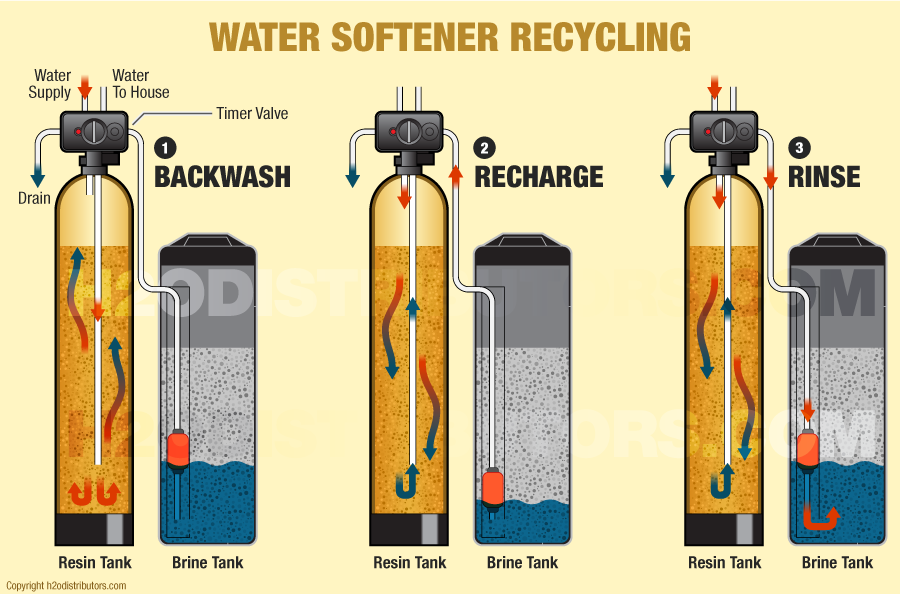
Your water softener has two main tanks: the resin tank (where the magic happens) and the brine tank (where the salt lives). The brine tank always has a little water at the bottom—it’s like a salty swamp.
Must Read
This water is used to regenerate the resin beads that remove hardness from your water. So seeing a couple of inches of water in the brine tank? Totally normal. Especially right after a regeneration cycle.
If your water level is low—say, just covering the salt—you’re probably fine. Go make a cup of coffee and relax. But if it looks like a kiddie pool? Keep reading.
The “Uh-Oh” Water Levels
If the water in your brine tank is too high—like, up to the top or overflowing—that’s when you raise an eyebrow. The usual culprit is a clogged drain line or a stuck injector.
Think of the injector like a tiny vacuum cleaner hole. If it gets gunked up with salt debris, water can’t flow out properly. So it just sits there, throwing a pool party for no one.
Another sneaky cause? A faulty brine float valve. It’s supposed to shut off the water when the tank is full, but if it breaks, water keeps pouring in. It’s like a bathtub with a broken stopper—except the bubble bath is saltwater.
Check Your Salt Bridge (Yes, It’s a Thing)
Here’s a fun visual: a salt bridge is a hard crust that forms over the water in your brine tank. It looks like a solid layer of salt, but underneath, there’s a hollow space.
When that happens, water can’t mix with the salt properly. The softener gets confused and adds extra water, trying to dissolve salt that isn’t touching the water. Boom: more water in the tank.
To check, gently poke the salt with a broom handle. If you feel a crust and it breaks, you’ve got a salt bridge. Break it up, and the water level usually drops back to normal. You’re welcome.
 Why Does My Water Softener Have Water in It? | FlameTech Plumbing & Heating
The “Is This a Leak?” Panic
Sometimes the water isn’t just sitting in the brine tank—it’s pooling outside the softener. That’s a whole different song. If you see water on the floor, check the connections first.
Loose fittings, cracked hoses, or a leaking valve can look like a softener problem when it’s actually a plumbing problem. Don’t blame the machine for a bad O-ring. That’s like blaming the toaster for a kitchen flood—unless the toaster is also a faucet.
Pro tip: Dry everything off, then run a regeneration cycle. Watch for drips. If you see a steady drip, tighten the fitting or call a plumber. Your carpet will thank you.
What About the “Air Check” Valve?
A clogged air check valve is another sneaky reason for extra water. This tiny little part is supposed to let air in and water out during regeneration. If it gets clogged with salt grit, it acts like a cork.
Then the water can’t drain properly, and your brine tank becomes a bathtub for bored goldfish (please don’t put goldfish in your softener). Cleaning this valve with a toothbrush and vinegar usually fixes it.
It’s a cheap fix, too. Way cheaper than buying a new softener or explaining to your spouse why the laundry room smells like a salt marsh.
Is It the Regeneration Cycle Itself?
Here’s a time-related trick: if you just cycled your softener, the water level is temporarily high. The brine tank fills with water to dissolve salt, then drains. If you check it mid-cycle, it’ll look like a swimming pool.
Wait 24 hours. If the water level drops back to normal, you’re golden. If it stays high, then you’ve got one of the issues above. Patience is a virtue, especially when dealing with salty water machines.
Pro move: write down the water level and check it after the next regeneration. Compare. You’re basically a water detective now. Wear a trench coat if it makes you feel cooler.
 Water Softener System Diagram
The Simple Fixes You Can Try (No Tools Required)
First, break up any salt bridges. Use a long, blunt object (like a wooden spoon or mop handle) and gently tap the salt. If you hit a crust, bust it up. It’s oddly satisfying.
Second, clean the injector screen. Most softeners have a small screen near the control valve. Unscrew it, rinse it with water, and put it back. It’s like blowing dust off a fan—instant improvement.
Third, run a manual regeneration cycle. Sometimes the machine just needs a reset. Hold down the “regenerate” button and let it do its thing. It’s like rebooting your computer when it’s being dramatic.
When to Call a Pro (And When to Bribe Them)
If you’ve tried all the above and the water level is still threatening to become a swimming pool for hamsters, call a professional. Some things are worth the money—like not flooding your basement.
Also, if you see rusty water or hear weird gurgling sounds, that’s a sign of a deeper issue. Don’t ignore the gurgle. That’s your softener trying to talk to you.
And remember: it’s okay to ask for help. Even superheroes call for backup when they’re knee-deep in saltwater. You’re not failing at adulting—you’re just learning the plumbing arts.
A Sweet, Salty Conclusion
So why does your water softener have water in it? Usually because it’s doing its job, or because a tiny part got a little lazy. Either way, it’s fixable. You’ve got this.
Think of it like a quirky pet: sometimes it acts up, but mostly it’s making your life better (hello, soft skin and spotless dishes!). A little water now and then is just its way of keeping you on your toes.
So go ahead—pat your softener on the lid, give it a gentle nod, and maybe offer it a salt pellet as a peace offering. You’re two smart cookies in a salty world. And if all else fails, remember: the water is not your enemy—it’s just a thirsty friend who needs a snack.
