How To Check Drinking Water Quality At Home

Let’s talk about your tap water. You drink it. You cook with it. You brush your teeth with it. But have you ever actually looked at it? Probably not. That’s like ignoring the...

Let’s talk about your tap water. You drink it. You cook with it. You brush your teeth with it. But have you ever actually looked at it? Probably not. That’s like ignoring the weird smell in your fridge. Let’s fix that today.
Why Should You Care?
Your water is a silent houseguest. It could be carrying tiny party crashers: lead, chlorine, or even bacteria. Don’t panic, though. Testing it is easier than assembling IKEA furniture. And way more fun.
Here’s a weird fact: your water might have more minerals than a health drink. But too much? That’s like drinking a rock smoothie. You want the good stuff, not the crunchy bits.
Must Read
The Sniff Test: Your Nose Knows
First, grab a clean glass. Fill it with tap water. Now, stick your nose in it. Yes, really. If it smells like a swimming pool, you’ve got excess chlorine. If it smells like a damp basement, that’s bacteria or sulfur.
Funny detail: your brain is hardwired to hate sulfur smells. It’s the same signal that says “rotten eggs.” Your water shouldn’t remind you of breakfast gone bad. Trust your snoot.
The Look Test: Water Shouldn’t Be a Magic Trick
Hold that glass up to the light. Is it clear? Good. Cloudy water is a red flag. It means tiny air bubbles or sediment. Let it sit for five minutes. If it clears up, it’s just air. If it stays cloudy, you’ve got particles—like dirt or rust.
Quirky fact: some ancient Romans used to judge water purity by pouring it over a white cloth. If the cloth stained, they’d ban the water source. You can do the same with a coffee filter. Just run water through it. See any brown gunk? That’s your clue.
The Taste Test: Don’t Gulp, Sip Like a Wine Snob
Take a tiny sip. Swish it around. Notice the metallic tang? That’s usually iron or copper from old pipes. A salty flavor? High mineral content—or maybe you live near the ocean.
Here’s the fun part: your tongue is a lab. Bitterness often means chlorine. Sourness? That could be low pH, which is acidic. Your water should taste like nothing. If it tastes like a conversation, something’s up.
 How To Test Water Quality At Home: Easy Steps For Safe Drinking - RO System
Go Pro Without the Price Tag
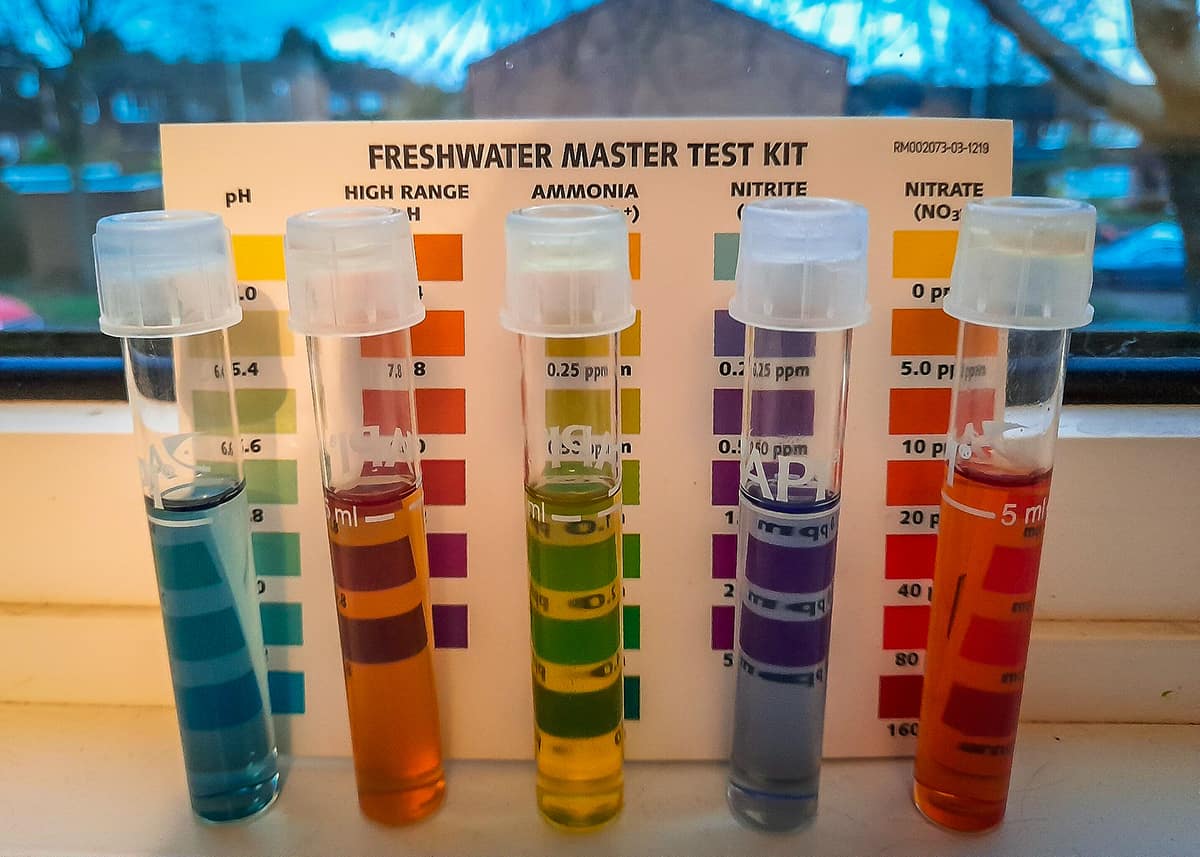
You don’t need a mad scientist kit. Grab a home water testing kit online for under $20. They come with little vials, powders, and color charts. It feels like a chemistry set from the 90s.
Most kits test for pH, hardness, chlorine, nitrates, and bacteria. Dip a strip, wait 10 seconds, and compare colors. Blue means alkaline. Red means acidic. If the chart looks like a rainbow, you’ve got a water variety pack.
Quirky fact: the ideal pH for drinking water is between 6.5 and 8.5. That’s the same range as your favorite salad dressing. Coincidence? Probably. But it’s a fun fact for parties.
The Gadget Route: TDS Meter Madness
Want to feel like a water wizard? Buy a TDS meter. It’s a little pen that measures total dissolved solids. Stick it in your cup. A number pops up. Under 50 ppm is pure. Over 300 ppm? You’re drinking a light soup of minerals.
Funny detail: some bottled waters have a TDS of 200. That means you’re paying for “minerals.” But your tap might be just as high. Don’t tell your fancy water brand. It’ll get jealous.
The Boil Test: Old-School but Gold-School
Fill a pot and boil it for five minutes. Let it cool. Smell the steam. If it smells like bleach, you have volatile chemicals. If it smells like nothing, congrats. But boiling doesn’t remove heavy metals. It just kills germs.
 How to Test Water Quality at Home: Your Complete Guide – World Water
Pro tip: boil water and check for white residue on the pot. That’s calcium carbonate—hard water. It’s safe to drink, but it ruins your coffee maker. Your espresso deserves better.
The Freeze Test: Ice Cube Logic
Freeze a small sample in an ice cube tray. When it melts, look for cloudy ice. That means impurities. Pure water freezes clear. If your ice looks like frosty glass, your water is a little messy.
Weird science: water with impurities freezes at a lower temperature. So your ice takes longer to form. But you probably won’t notice unless you’re an ice sculptor. Which you should be, if you want a cool hobby.
When to Call the Pros
If your tests show brown water, black specks, or a metallic smell, don’t DIY. Call your local water utility. They test for free. Or send a sample to a lab. It costs about $50. Still cheaper than bottled water for a month.
Funny detail: in the 1800s, Londoners judged water by how many fish lived in it. If the Thames had eels, it was safe. Today, your test kit is more reliable. But less slimy.
The Final Sip
You’re now a water detective. Your kitchen is the crime scene. Your senses are the tools. Smell, taste, look, and test. It takes ten minutes. It could save you from a stomach ache—or just bad-tasting tea.
So go ahead. Pour a glass. Give it the stink eye. Your water will never look the same. And that’s the fun part: curiosity is contagious. Now go check your friend’s water. They’ll thank you. Or think you’re weird. Either way, you’re a hero.
