What Is Reverse Osmosis In Water Treatment

Let’s be honest: tap water can be a bit of a gamble. Sometimes it tastes like a swimming pool, sometimes like a rusty pipe, and other times like a vague memory of a mountain s...
Let’s be honest: tap water can be a bit of a gamble. Sometimes it tastes like a swimming pool, sometimes like a rusty pipe, and other times like a vague memory of a mountain stream that probably never existed. You might find yourself buying bottled water, only to realize you’re just paying for fancy plastic. That’s where reverse osmosis struts in, not with a cape, but with a semi-permeable membrane and a smug look of superiority.
What’s the Deal with Reverse Osmosis?
At its core, reverse osmosis (or RO, for those in the know) is water’s version of a super-strict bouncer at a club. It’s the guy who says, “Sorry, water molecules can come in, but you, lead, chlorine, and that weird mineral taste? Not tonight.” It’s like having a personal assistant for your water, one that’s incredibly picky and never takes a coffee break.
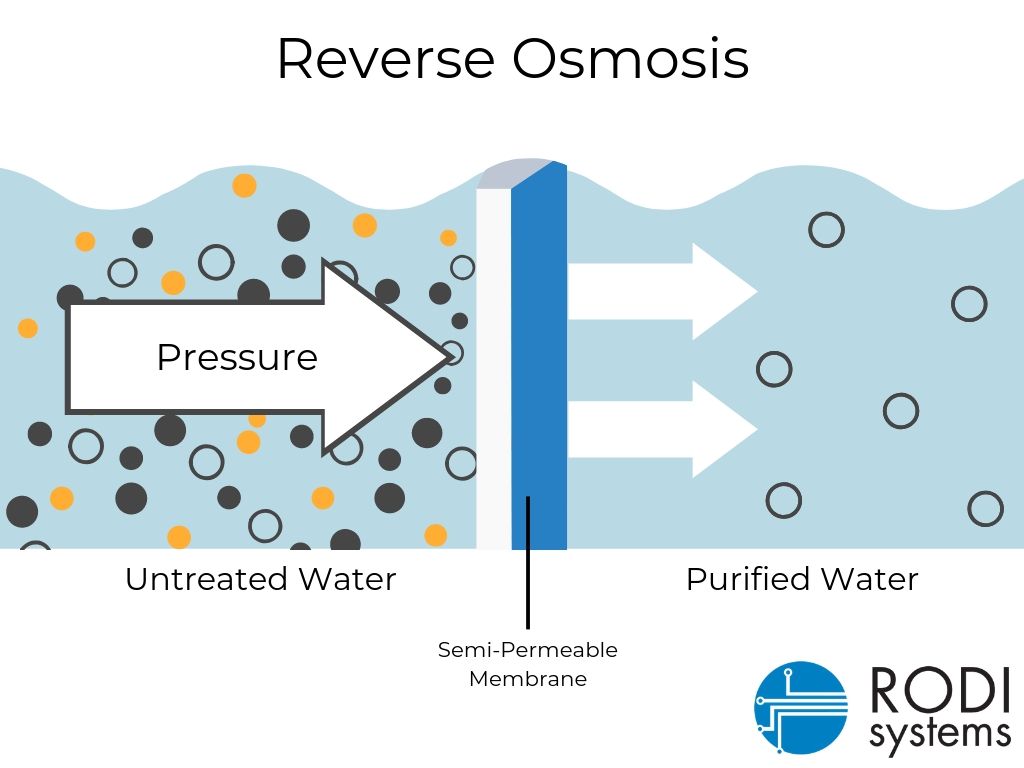
Imagine you have a really, really fine sieve. Now imagine pushing water through that sieve with so much force that only the tiniest particles—pure H2O—get through. Everything else—the bad guys like salt, bacteria, and the ghost of your old plumbing—gets left behind in a little puddle of concentrated shame.
Must Read
The “Sugar in Your Coffee” Analogy
Think of normal osmosis. If you put a raisin in a glass of water, it plumps up because water moves into it. That’s natural osmosis—water likes to even things out. Reverse osmosis is the opposite. It’s like trying to un-plump that raisin by putting it in a pressure chamber and forcing the water back out. It’s aggressive, it’s messy, and it’s exactly what you want for your drinking water.
Your tap water has a bunch of dissolved junk in it, like a sad cup of forgotten tea. The RO system says, “Nope, we’re starting over,” and pushes that water so hard through a microscopic membrane that the junk gets left behind. What comes out the other side is so pure, it makes distilled water look a little smug.
Why Your Kitchen is the Perfect Crime Scene
You’ve probably seen an RO system under someone’s sink. It looks like a small alien spaceship made of white plastic tubes and canisters. It gurgles, it hisses, and it takes its sweet time. If you try to fill a big pot with it, you’ll get old and wise before it’s done. It’s the tortoise of the water world, but it always wins the race against bad taste.
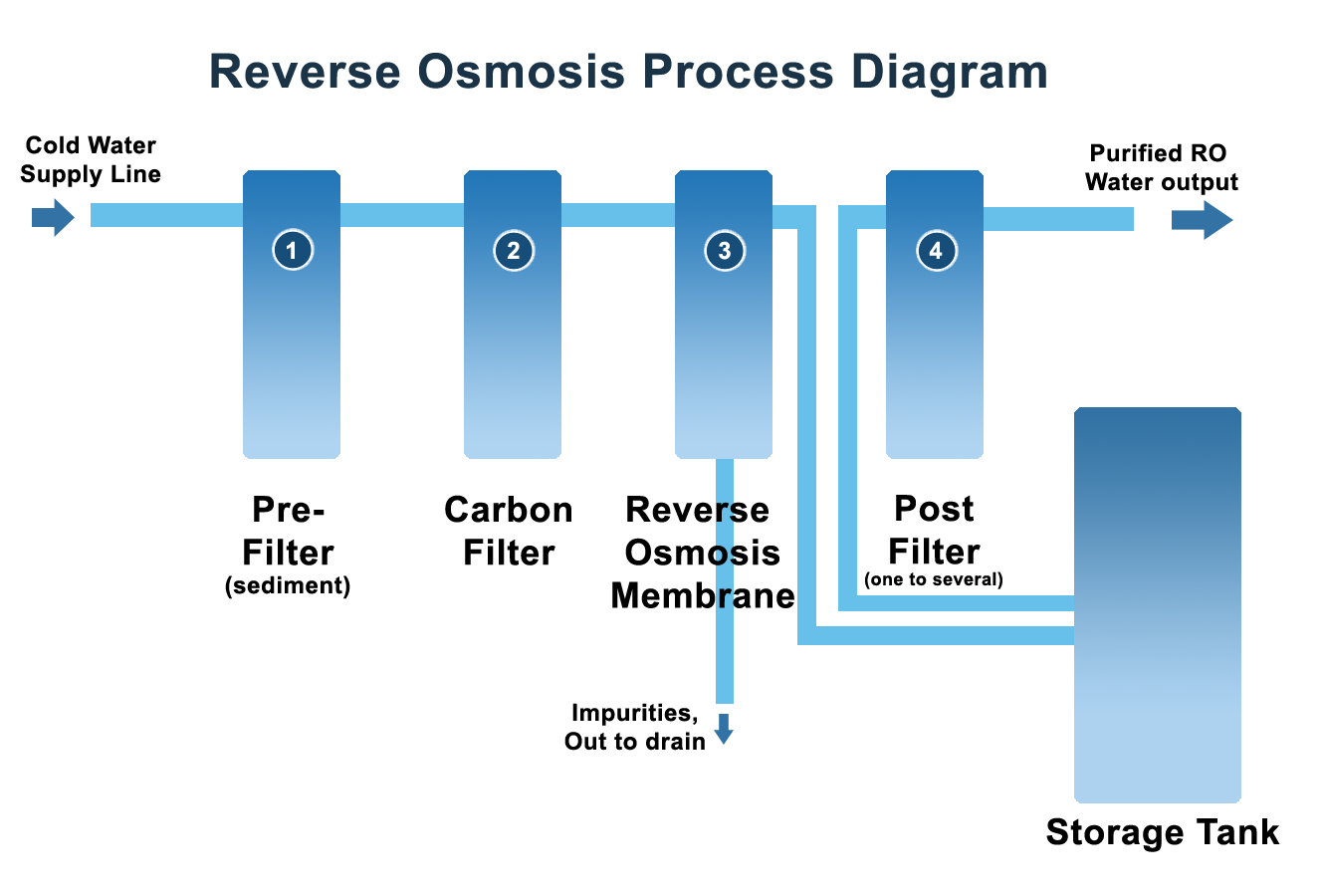
And let’s talk about the waste water. For every glass of pure water you get, the system might send a few glasses down the drain. It’s a bit like having a super-fancy juice press that throws away half the fruit. Yes, it’s wasteful, but it’s also why the juice (or water) is so darn clean. We all have that one friend who is perfect but takes up all the parking space—this is water’s version.
 How Reverse Osmosis Works - Biopure - Water For Life
The Taste Test You Didn’t Ask For
I remember the first time I drank water from an RO system. I expected a choir of angels. Instead, my brain went, “Is this… nothing?” It was so clean, so devoid of flavor, that it felt like drinking a liquid thought. Your taste buds get confused because they’re used to fighting off chlorine and pipe residue for fun. With RO water, they’re suddenly unemployed.
It’s the kind of water that makes coffee taste like a revelation. You realize your old coffee was 90% “tap water apology” and only 10% actual coffee. Tea becomes so transparent you can see the bottom of the cup and question your life choices. It’s powerful stuff.
The “Under the Sink” Rebellion
Installing one is like adopting a slightly needy pet. You have to change filters every few months or it starts making sad, choking sounds. The membrane itself lasts a few years, but it’s expensive to replace, like buying a new tire for a car you don’t fully understand. But once you taste that crisp, blank-slate water, you can’t go back. You become a water snob.
You’ll start judging other people’s water. You’ll visit a friend’s house, sip their tap water, and make a face like you’ve been betrayed. “Oh, is this… city water?” you’ll whisper, clutching your own reusable bottle. It’s a ridiculous level of pretension, but it’s harmless, and your kidneys will thank you later.
 What Is Reverse Osmosis And How Does It Work
Is It Magic? No, Just Physics Being Nosy
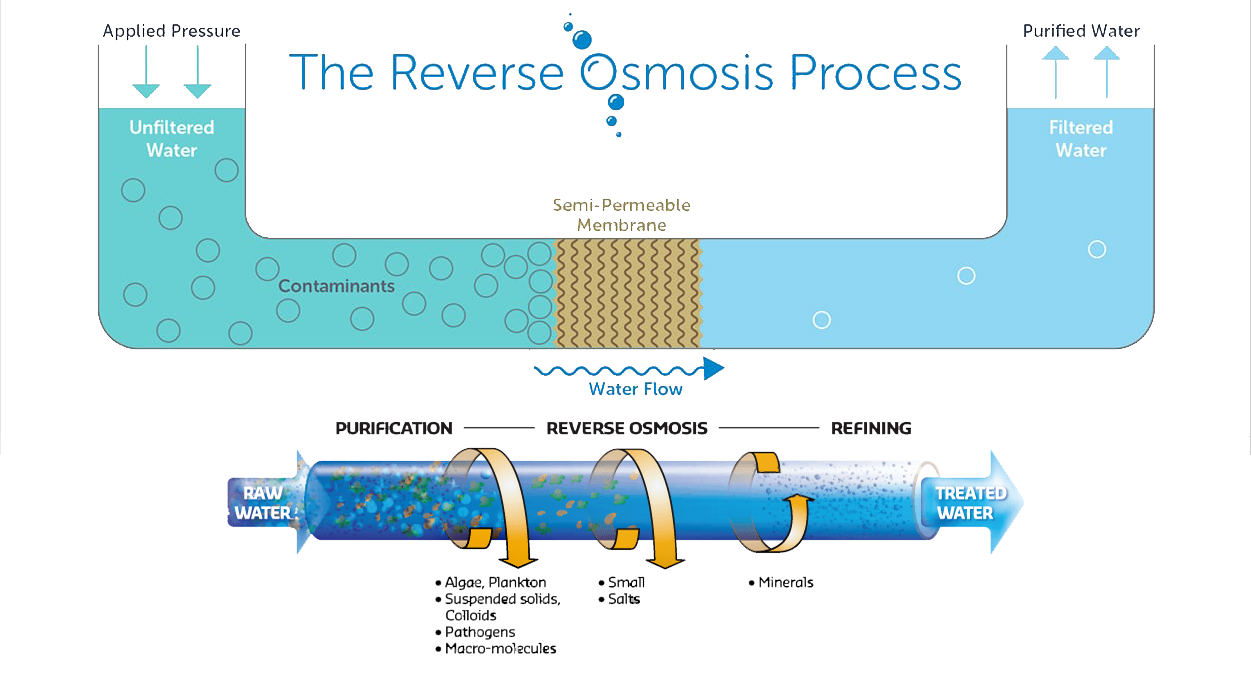
The science is actually simple: you have a dirty side and a clean side, and a big pressure difference. The pressure forces the water through the membrane, which has holes so tiny they make a gnat’s eyelash look like a tunnel. It’s like trying to push a bus through a cat flap. Only the water molecules are slim enough to slip through.
Everything else—the dissolved solids, the pesticides, the dead skin cells from the water treatment plant guy—gets politely but firmly turned away. It’s the ultimate filter, the bouncer with an encyclopedic memory for bad characters. It doesn’t care if you’re a fancy mineral or a toxic heavy metal; if you’re bigger than H2O, you’re out.
The Verdict: Should You Get One?
If you live in a place where the water tastes like a municipal pool that’s been through a rough week, yes. Do it. If you just want bragging rights at dinner parties, also yes. It’s a relatively cheap way to feel like you’re on a private island, minus the sunburn and the sand.
Just remember: it’s slow, it’s a little wasteful, and it will turn you into that person who brings their own water to restaurants. But hey, your kidneys are the real VIPs here, and they deserve the best seat in the house. So go ahead, get a little reverse osmosis in your life. Your taste buds will get bored, but your body will throw a tiny, hydrated party.
