How To Tell If You Have Lead In Your Water

So, you’re sipping a glass of tap water and a thought pops into your head: “Is this stuff trying to turn my brain into a vintage typewriter?” Don’t worry—you’re not alone, and...

So, you’re sipping a glass of tap water and a thought pops into your head: “Is this stuff trying to turn my brain into a vintage typewriter?” Don’t worry—you’re not alone, and we’re about to turn this into a fun, empowering little adventure. Lead in water sounds scary, but finding out if it’s in yours is actually kinda cool—like being your own home detective. Let’s dive in with a smile, okay?
Why should you even care?
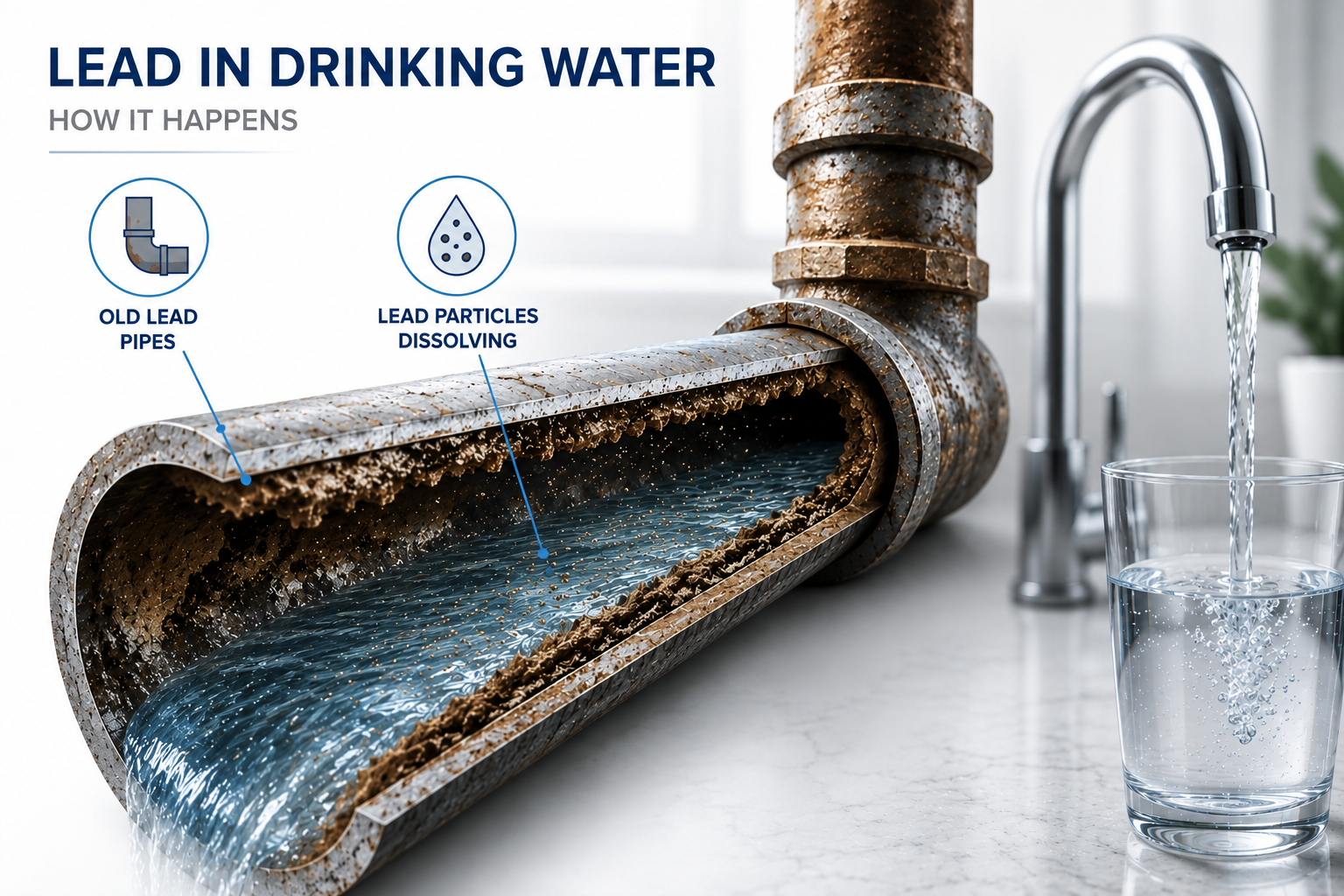
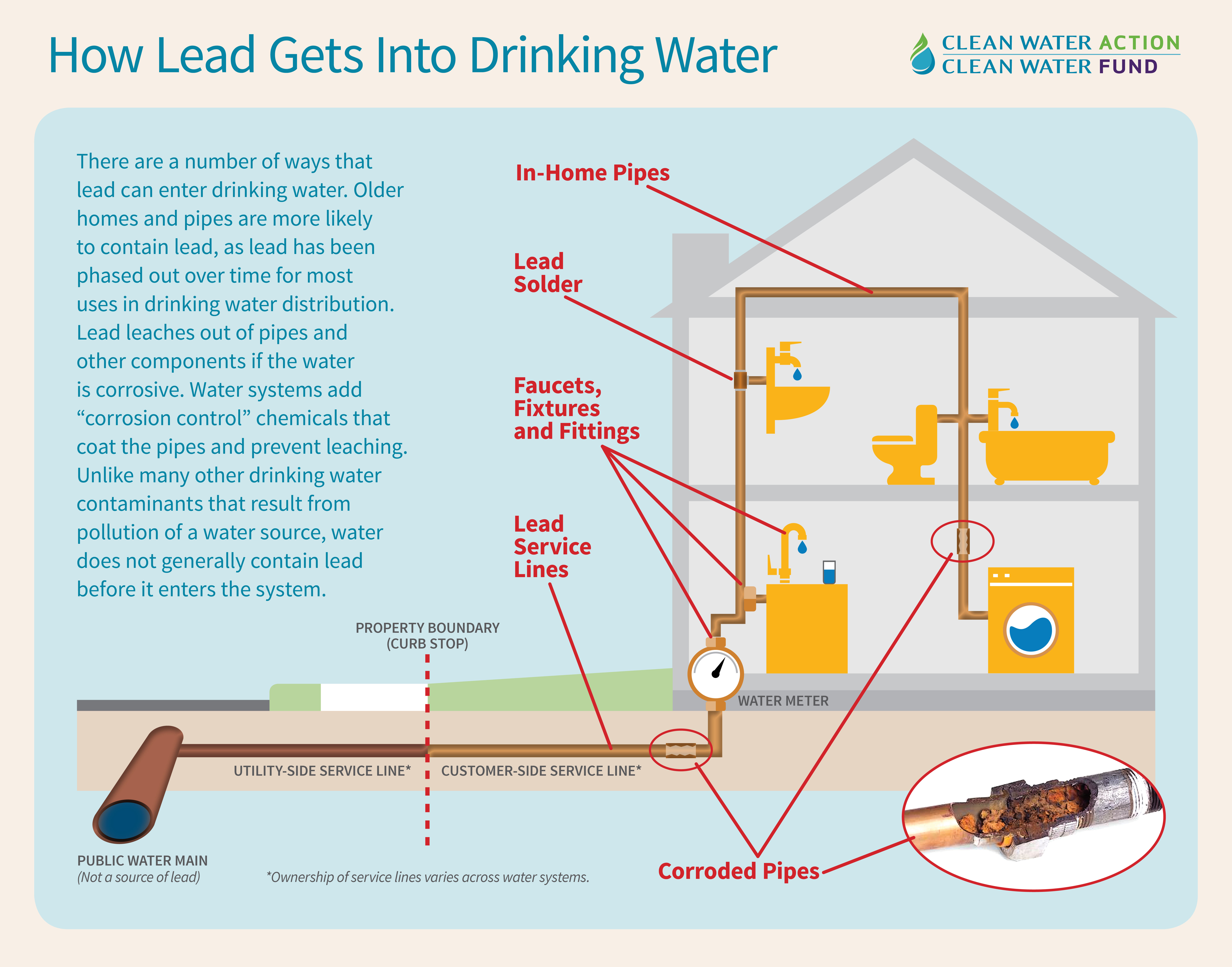
First, let’s get real for a second: lead is a sneaky metal that nobody wants in their morning coffee or baby’s bottle. But here’s the twist—knowing about it makes you feel like a superhero who just got their cape. Most lead comes from old pipes or fixtures made before 1986, so if your house has a bit of history (or you’re renting one), you’re already a step ahead by being curious.
And guess what? Testing can actually be fun—like a science experiment you’d do with friends on a rainy Saturday. No lab coat required!
Must Read
Step 1: The “Suspicious Smell” Myth
You can’t see, smell, or taste lead, so don’t trust your nose or tongue—they’re lying to you. Your senses are not your friends here, but that’s okay because we have better tools. Instead of sniffing, look for clues like rusty sediment in your glass or weird blue-green stains on sinks (that’s often copper, but it can be a hint of old pipes).
See? You’re already a water detective. Next clue: check if your area has a history of lead service lines—your local water utility’s website might have a map or a fun little data chart to scroll through.
Step 2: The Free Test Kit Quest
Here’s where the magic happens: grab a home lead test kit from any hardware store or online—they’re cheap and easy, like a pregnancy test for your faucet. Follow the instructions (they’re usually as simple as “dip, wait, look for a color change”), and you’ll know within minutes. For extra credit, collect water first thing in the morning after it’s sat in pipes for at least 6 hours—that’s the “worst-case scenario” sample, and you’ll feel like a pro.
 Is There Lead in Your Drinking Water? What You Need to Know
Pro tip: Call your water provider and ask for a free testing kit—they literally send them out sometimes, no questions asked. You can also check EPA’s website for certified labs if you want the gold-standard report (pricey but cool).
Step 3: Let the Science Party Begin
Now, you’ve got your sample and you’re waiting for those results. No lead at all? High-five yourself and do a happy dance—your pipes are golden. If you detect any lead (usually anything above 0.015 mg/L is the EPA’s red flag), don’t panic—you’ve just caught it early. This is the exciting part: you now get to be the hero of your home with easy fixes.
Run your cold tap for 30 seconds before using it for drinking or cooking (that flushes out the stale metal bits). Use a certified filter pitcher (look for “NSF 53” on the label), and you’re set. Also, just use cold water for everything—hot water dissolves lead faster, so avoid it for consumption.
 Lead In Water
Why this makes life more fun
Think of it this way: you’ve just turned a boring “home maintenance chore” into a microadventure. You learned about your home’s history, did a science project, and now have the power to make your water super clean. That’s not just responsible—it’s empowering, like knowing how to change a tire or bake sourdough from scratch.
Plus, you can tell your friends, “Oh yeah, I tested my water last weekend—totally lead-free, but I also found out I have brass fittings from the 1950s.” You’ll sound fascinating, I promise.
The uplifting note (you earned this)
So here’s the beautiful truth: you’ve just taken a tiny, curious step toward taking charge of your world. That spark of “Hmm, I wonder…” is the same one that leads to trips, new hobbies, and deeper understanding of everything around you. Water is life, and you’re now the person who chooses what kind of life it brings.
Go ahead—test that water, laugh at the weird color strip, and know that you’re building a safer, happier home for yourself and anyone you love. And when you’re done? Pour a glass of clean water, take a sip, and feel brilliant. You’ve got this. Now go learn something else fun tomorrow.
