How To Know If You Have Lead In Your Water

Alright, let’s talk about lead. Not the kind in your pencil, but the sneaky, uninvited guest that might be lurking in your water pipes. Yes, we’re going there. But don’t worry...

Alright, let’s talk about lead. Not the kind in your pencil, but the sneaky, uninvited guest that might be lurking in your water pipes. Yes, we’re going there. But don’t worry—this isn’t a doom-and-gloom lecture. It’s a joyful, slightly nerdy adventure into keeping your home sparkling and safe.
Why should you care? Well, imagine sipping a glass of crisp, cold water on a hot day. Delicious, right? Now imagine that water is hiding a secret. Lead is a heavy metal, and it likes to play hide-and-seek in older plumbing. It’s tasteless, odorless, and invisible—like a ninja.
But here’s the fun part: you can become a detective. You can find the ninja. And once you do, life gets easier, healthier, and yes—more fun. Knowledge is power, and power means you can stop worrying and start sipping that perfect glass of water guilt-free.
Must Read
Step One: Be a Pipe Inspector (No Badge Required)
First, go find your water main—that’s the pipe that brings water into your home. Look for it in the basement, crawlspace, or near the meter. If you have a gray, dull metal pipe that’s soft enough to scratch with a key, it’s likely lead. Real copper pipes are shiny and reddish; lead is soft and gray.
Another clue? Check for a bulbous “gooseneck” shape in the pipe. That’s classic lead. Don’t panic if you see it—just smile and say, “Aha, I found you, you rascal!” Then call a plumber for a replacement. You’re already winning.
Step Two: Look for the “Lead-Free” Label on Your Faucet
Every modern faucet sold after 2014 should be “lead-free” by law. But older faucets (especially brass ones) can leach lead. Check under the sink or inside the faucet handle for a stamp or label. If you see “NSF 61” or “ANSI 61,” you’re golden. If not, you might have a vintage charmer that’s secretly toxic.
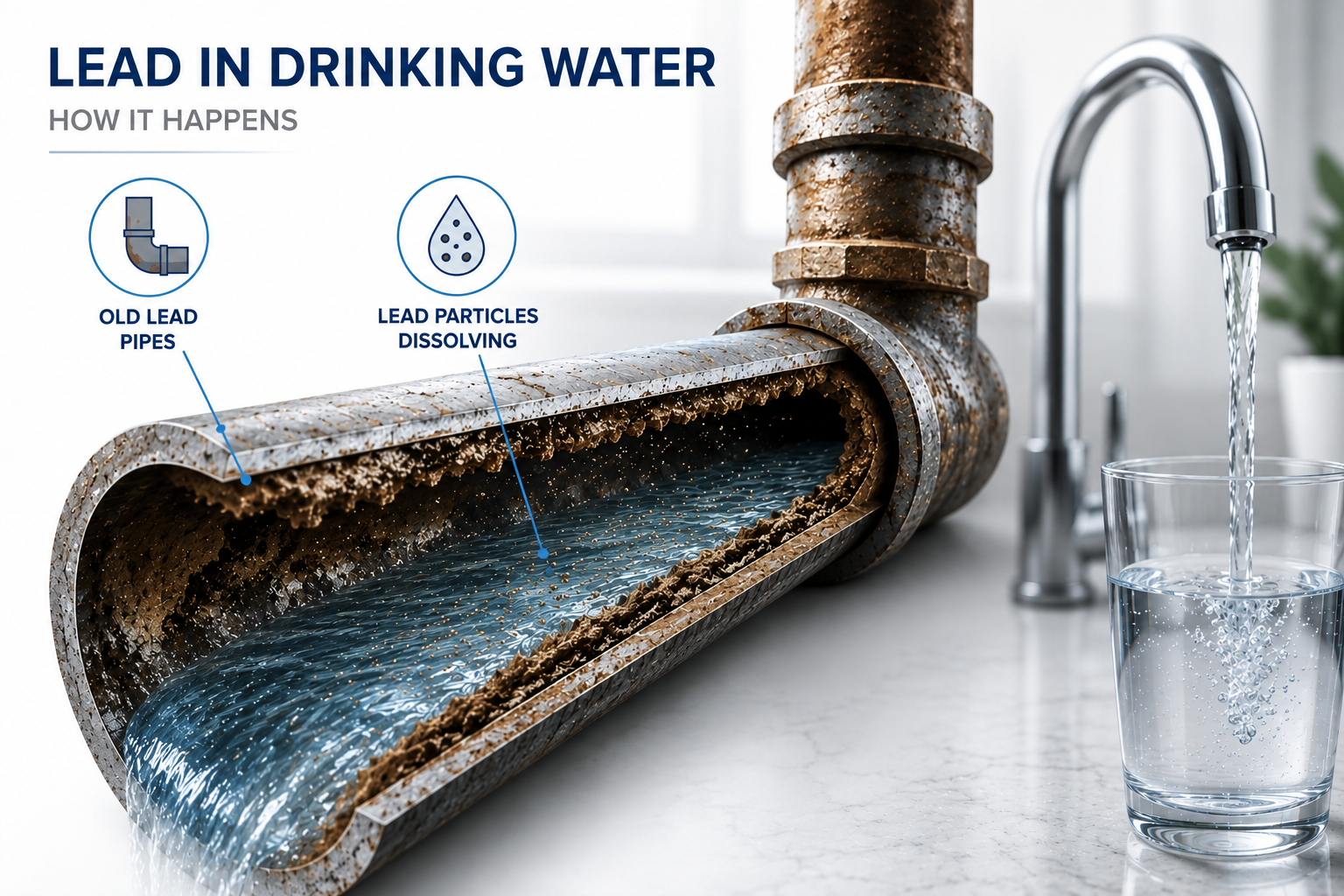 Is There Lead in Your Drinking Water? What You Need to Know
And here’s a twist: even if your pipes are new, solder (the stuff that joins pipes) can contain lead. That old solder looks like a silver, lumpy caterpillar. If your home was built before 1986, it’s a suspect. You’re now an official plumbing sleuth. Celebrate with a glass of filtered water!
Step Three: The Simple At-Home Test
You don’t need a lab coat. Buy a lead-in-water test kit from a hardware store or online. They cost about $10. Fill a clean glass with water that has been sitting in your pipes overnight—the first water of the morning is the most likely to have lead. Then follow the kit’s instructions. Most use a color-change strip.
If the strip turns red or pink, you’ve got lead. Don’t freak out. This is just information. You’re now an empowered human who knows exactly what to do next. And that feeling? It’s pure gold—or rather, pure clean water.
Step Four: What to Do If You Find It (Spoiler: It’s Easy)
First, run your cold water for at least one minute before drinking, cooking, or making coffee. This flushes out water that’s been sitting in the pipes. Never use hot water from the tap for drinking or cooking—heat helps lead dissolve faster. Yes, that means no instant hot water for your instant ramen. Boil cold water instead.
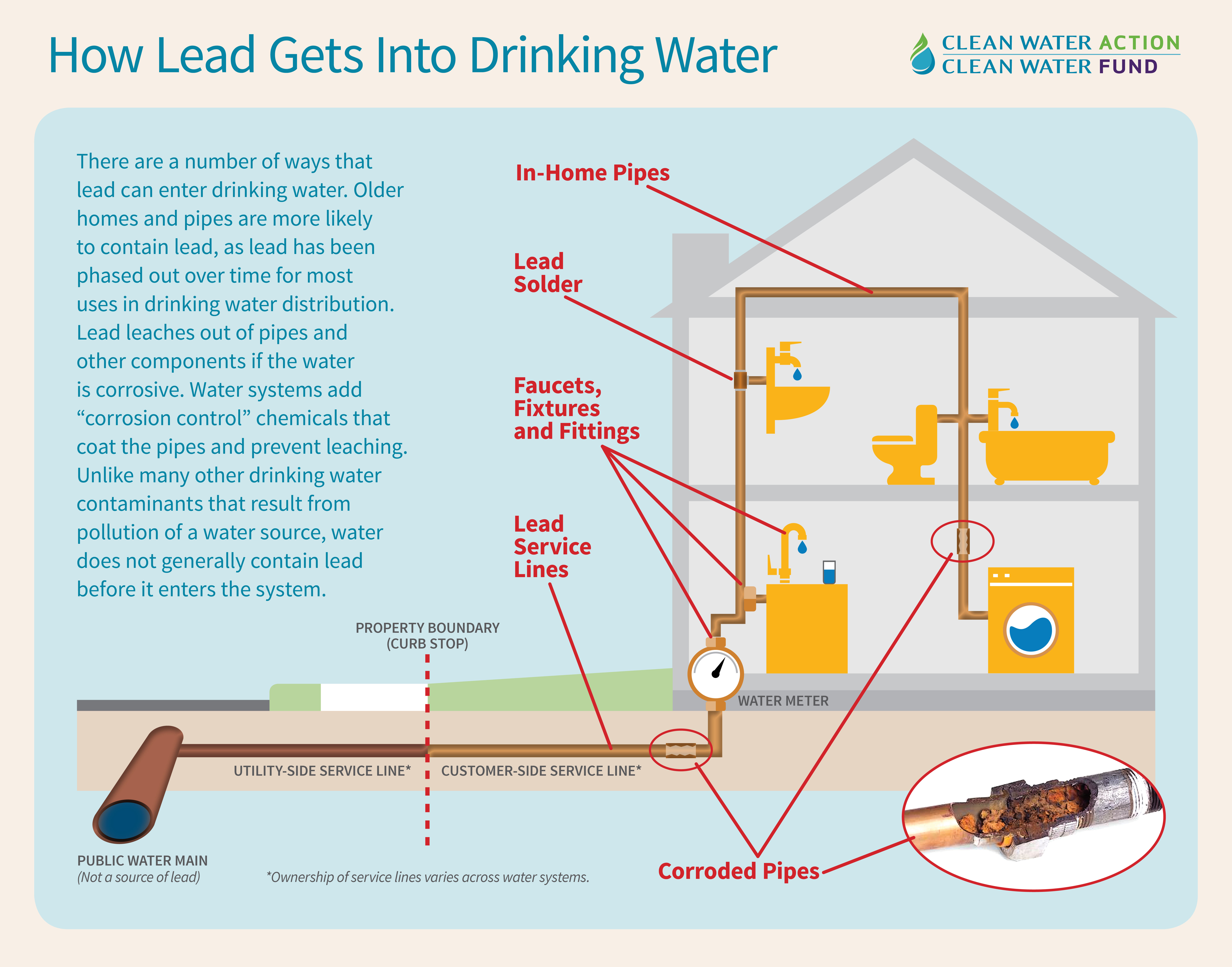 Lead In Water
Second, invest in a lead-removing water filter. Look for one certified by NSF International for lead reduction. A good pitcher or faucet filter costs about $30. That’s cheaper than a fancy dinner out—and it saves your brain cells. Win-win.
The Big Picture: Why This Makes Life More Fun
Think of this as a game. You are the hero of your own hydration story. Every time you test a pipe or install a filter, you’re leveling up. You’ll also sound incredibly wise at dinner parties. “Oh, you have hard water? I once battled a lead gooseneck pipe.”
Plus, when you finally know your water is safe, you can sip it joyfully in the sun, host a crisp-water-tasting party, or bravely offer it to your picky houseplant. That’s freedom, baby.
Final Uplifting Note
So yes, lead in water sounds scary, but you are tougher than a metal pipe. You’ve already taken the first step by reading this—now go test your tap. You’ll uncover a secret, solve a mystery, and make your kitchen a little more magical. Life is made of simple, clear moments—and sparkling water is one of the best. Go enjoy yours, fully and fearlessly. You’ve got this.
