Why Is My Scalp Leaking Out Sticky Liquid

So, you’re sitting there, minding your own business, when you casually scratch your head and your fingers come away feeling… sticky. Not oily, not dry flakes, but a weird, goo...
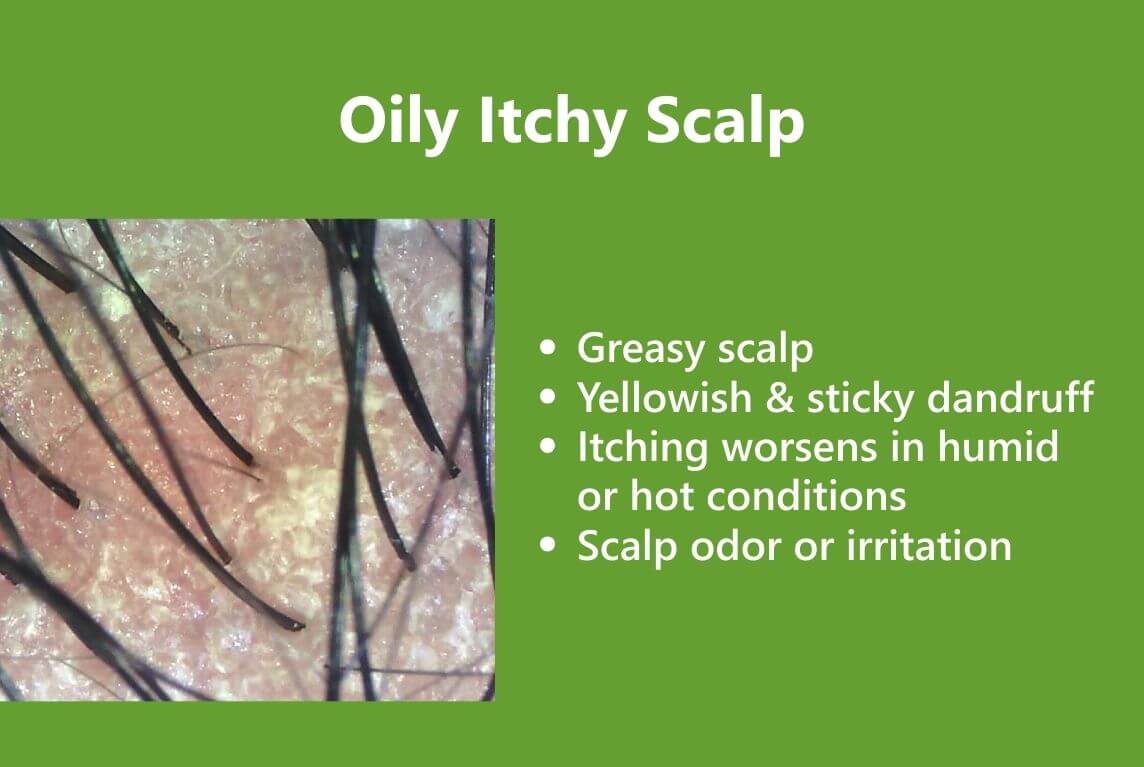
So, you’re sitting there, minding your own business, when you casually scratch your head and your fingers come away feeling… sticky. Not oily, not dry flakes, but a weird, gooey liquid. It’s like your scalp decided to become a tiny, rebellious honey factory.
First things first: don’t panic. You haven’t spontaneously turned into a slug. Your scalp isn’t plotting a sticky coup. That weird leakage is almost always just your skin’s natural oil—sebum—getting a little too enthusiastic.
The Usual Suspect: Sebaceous Glands Gone Wild
Must Read
Your scalp is packed with tiny oil glands called sebaceous glands. Their job is to keep your hair and skin moisturized. But sometimes, they go into overdrive and produce a thick, sticky sebum that feels like glue.
Think of it like this: your scalp is a bit like a teenager with a new skincare routine. It means well, but it really overdoes the product. The result? A tacky, almost waxy residue that feels like it’s weeping.
This is especially common if you wash your hair too often or too rarely. Over-washing strips the natural oils, so your glands panic and pump out extra to compensate. Under-washing lets old oil, sweat, and dead skin cells party together, creating a sticky mess.
When Frizz Meets Fungus: Seborrheic Dermatitis
Another very common culprit is a condition called seborrheic dermatitis. Fancy name, right? Basically, it’s a mild, chronic form of dandruff that includes redness, flaking, and yes, that sticky discharge. It’s caused by a yeast that naturally lives on your skin (named Malassezia), which sometimes gets a little too comfortable and throws a party.
Imagine tiny microscopic party guests with greasy fingers. They leave behind a sticky, yellowish goo. This isn’t dangerous, just annoying. And it’s super common—affecting up to 5% of the population, so you’re in good company.
Side note: If the stickiness is accompanied by intense itching or a weird smell, you might have a mild bacterial overgrowth. But again, it’s usually just the yeast acting up. Please don’t sniff your fingers. We’re friends, but we have boundaries.
 Why Is My Scalp Leaking Oil at Bethany Hammer blog
Other Weird but Unlikely Whisperers
Could it be a folliculitis? That’s when hair follicles get infected or inflamed, and they can ooze a clear or yellowish liquid. It looks like tiny, angry pimples on your scalp. If that’s the case, you might need a medicated shampoo or a doctor’s visit.
Could it be a cyst? Sometimes a sebaceous cyst can form, and it can leak a thick, cheesy, or sticky substance. It smells a bit… funky. If you feel a lump under the sticky spot, don’t squeeze it! Let a dermatologist handle the grape-jelly situation.
And finally, yes, stress can do this too. Your body reacts to stress by pumping out cortisol, which can trigger your oil glands to produce thicker, tackier sebum. So, your scalp leaking might be your body’s way of saying, “Hey, maybe take a nap?”
How to Make the Sticky Situation Stop
Start with a gentle, balancing shampoo. Look for ingredients like zinc pyrithione, selenium sulfide, or ketoconazole (those are anti-yeast heroes). Use it every other day—not daily, not weekly. Consistency is key.
Try a salicylic acid shampoo once a week. It helps dissolve the sticky buildup. Think of it as a gentle chemical exfoliant for your scalp’s crusty little secrets. It’s like giving your head a tiny spa treatment, but with science.
:max_bytes(150000):strip_icc()/scalp-conditions-5186741-FINAL-d8d55d90d26a4a1cbe7c2f3f3e6d0723.jpg) AndroidNews 24 - Flexible News Business
AndroidNews 24 - Flexible News Business
Wash your hair with lukewarm water, not hot. Hot water strips oils, making the problem worse. Cooler water helps keep your glands calm. Pretend your scalp is a chill yoga instructor—keep it cool and balanced.
Don’t pick, scratch, or rub the sticky spots! That just irritates the skin and makes the glands produce more sticky goo. It’s like poking a beehive with a stick, except the bee is your oil gland. Nobody wants a greasy bee.
If you’ve tried these things for two weeks and your scalp is still channeling its inner snail, see a dermatologist. They can prescribe stronger treatments, like a steroid lotion or a medicated foam. They’ve seen it all, believe me.
Let’s Keep It Light, Shall We?
Remember, a sticky scalp is not a sign that you’re dirty or broken. It’s a very normal, very human quirk of biology. Your scalp is just trying to keep your hair moisturized, but it doesn’t know when to stop. It’s the overprotective parent of your head.
So, the next time you feel that weird tackiness, just shrug and mutter, “Ah, my little oil factory is working overtime again.” Then wash it gently, pat your head dry, and move on with your fabulous life.
Here’s your uplifting conclusion: Your scalp is a messy, imperfect, occasionally sticky masterpiece. It protects your brain, grows your hair, and sometimes throws a tiny, gooey tantrum. But that’s okay. You are still a wonderful, sparkling human being—goo and all. Plus, now you have a great conversation starter at parties. “Hey, want to hear about my weirdly leaky head?” You’re welcome.
