Why Does Bottled Water Have A Use By Date

Let’s be honest: we’ve all done it. You’re digging through the back of your pantry, looking for a stale cracker to dip in hummus, and you spot a bottle of water. You grab it,...
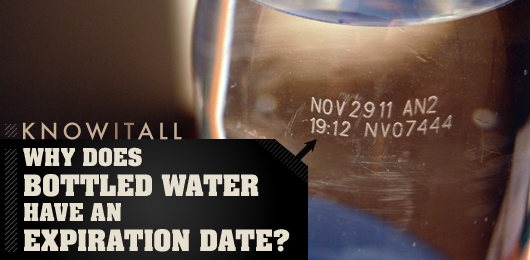
Let’s be honest: we’ve all done it. You’re digging through the back of your pantry, looking for a stale cracker to dip in hummus, and you spot a bottle of water. You grab it, ready to chug, only to pause because you spot a tiny, almost sarcastic date printed on the label. Best by: April 2022. It’s three years old. Does water go bad? Does it turn into a grumpy old grandpa who yells at clouds?
The short, comforting answer is: No, the water itself doesn’t expire. H2O doesn’t suddenly turn into vinegar after a certain Tuesday. A water molecule is the same today as it was when dinosaurs were still paying off their mortgages. So why is that little date staring at you like a judgmental owl?
Well, the real drama isn’t with the water—it’s with the plastic bottle. Think of the bottle as a cheap, disposable raincoat. It’s fine for a quick jaunt across a parking lot, but leave it in a hot car for two years, and it starts to feel a bit… leaky and weird.
Must Read
Over time, the plastic can start to leach chemicals into the water. You know that slightly weird, “plastic-y” taste when you drink from a bottle that’s been baking in your car? That’s the bottle saying, “I’m tired, boss.” The date is mostly a guarantee of quality, not safety.
Imagine a banana. A banana has a "best by" date, right? You can still eat it a day after, but it’s less crunchy and more of a sad, brown mush. Bottled water is the same—it won’t kill you, but after a year, it might taste a little like you’re licking a Tupperware lid. Not ideal.
Here’s a funny comparison: Bottled water is like a moody celebrity. It looks great on the shelf, but give it a few years of neglect, and it throws a tiny, chemical-fueled tantrum. The date is basically the water’s PR team saying, “Please enjoy us before we get a little bitter and start smelling like a wet sock.”
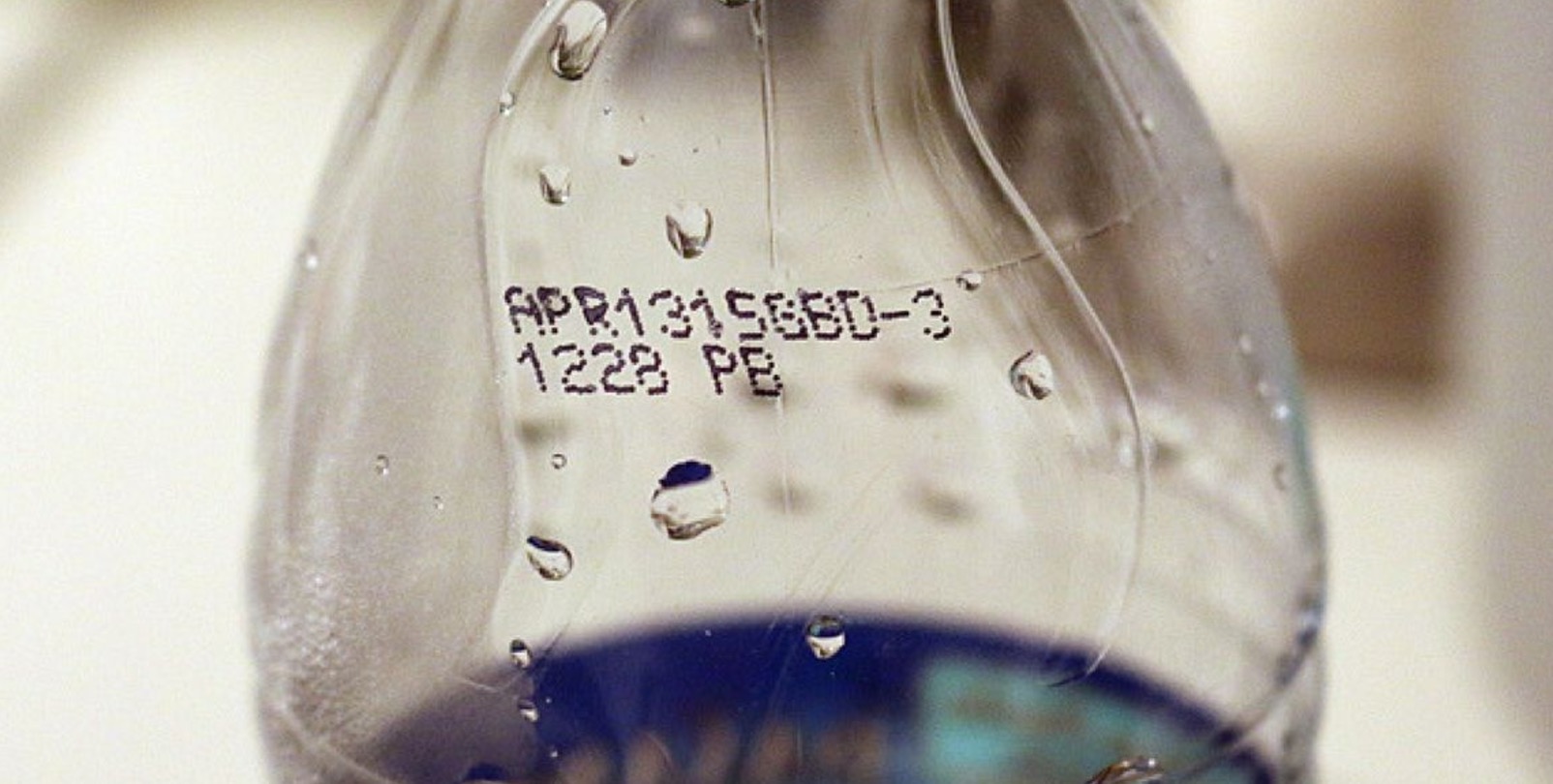 Glass Bottled Water Expiration Date at Benjamin Whitley blog
I once found a bottle of water in my camping gear from 2018. It was labeled “Spring Water,” but when I cracked it open, it smelled like a swimming pool. Not a fancy, chlorine-heavy public pool—more like the inflatable kiddie pool you forgot to drain in August. That’s the plastic breaking down and releasing a trace amount of antimony or something equally un-campy.
So what’s the worst that can happen? You drink old water, and you get a slight tummy ache? Probably not. More likely, you just get a drink that tastes like a sad, forgotten bench. The water itself is sterile if the seal is intact, but the experience becomes a little like wearing socks from 1995.The Real Villain: Your Car's Glovebox
Let’s talk about the most famous crime scene for expired water: the glovebox. You buy a pack of water in June, toss one in the car “for emergencies,” and find it again in January. That bottle has baked in 120-degree heat, frozen, thawed, and baked again. The date on it is a polite suggestion, but your car has turned that water into a science experiment.
Heat speeds up the leaching process. A bottle of water left in a hot car for a week is like a person who’s been stuck in a traffic jam for six hours—irritable and slightly toxic. The “use by” date actually assumes you’ll keep the bottle in a cool, dark place. Not in the sun-drenched sauna of your Honda Civic.
But you know what? I still drink it. I pretend I’m a rugged survivalist. I see that 2018 date, and I say, “Pfft, I’ve eaten a burrito that was in my bag for longer.” And usually, I’m fine. The water is just a little… flat. It has no personality. Like a joke that’s been told one too many times.
 Bottled Water Expiration Date Fda at Aiden Darcy blog
The Carbonated Water Conspiracy
Now, if you’re talking about sparkling water, that’s a different kettle of fish. Carbonated water has a real, actual expiry date because the carbonation fizzles out. It’s like a party balloon that slowly deflates. You think you’re getting a fizzy kick, and instead, you get a sad, wet whisper. That’s a legitimate tragedy.
Still, the date is a conservative guess. Most brands slap a date one to two years from bottling. It’s not because the water will rot—it’s because they don’t want you to call them and complain that your water “tastes like the floor of a movie theater.” It’s a courtesy, not a commandment.
In the end, if you see an old bottle of water, ask yourself: Is it a life-or-death situation? If you’re in a desert, drink that 2021 bottle with a grin. If you’re just thirsty in your kitchen, walk to the sink. Tap water is free, it comes with a “best by” date of your entire life, and it doesn’t come with a plastic bottle that’s screaming for retirement.
So, next time you see that date, just nod at it. It’s not a threat—it’s a reminder. A reminder that even a bottle of water has a midlife crisis, it just can’t buy a sports car. It sits there, trapped in plastic, waiting for you to decide its fate. Go ahead. Drink it. Or don’t. Either way, you’ve got about three seconds to decide before you realize you’re overthinking a bottle of basically regular rain.
