How To Regenerate Water Softener Manually

So, you’ve got a water softener, that hard-working box in your basement that magically makes your skin feel silky and your dishes spot-free. But have you stopped to think abou...
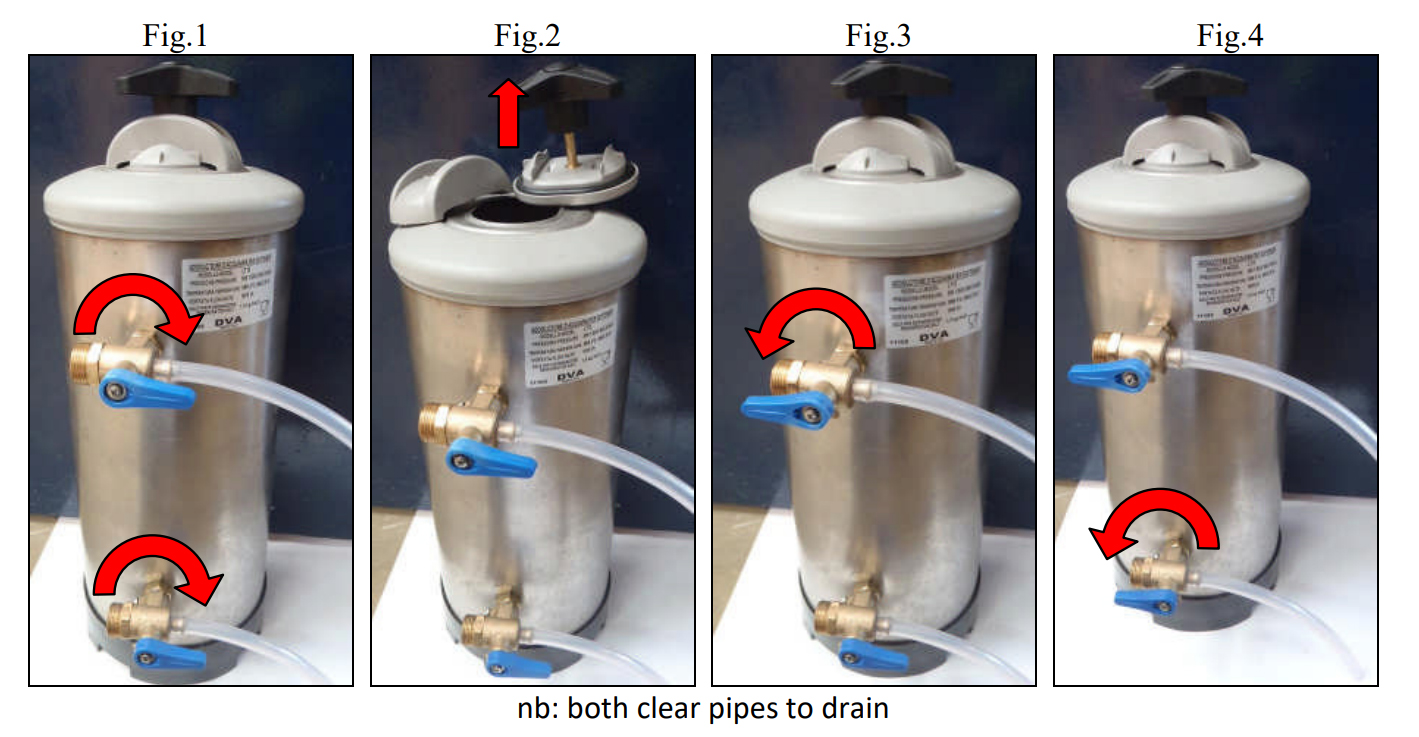
So, you’ve got a water softener, that hard-working box in your basement that magically makes your skin feel silky and your dishes spot-free. But have you stopped to think about what’s going on inside? It’s like a tiny, thirsty beast that gobbles up calcium and magnesium, and every so often, it needs a good meal of salt to keep doing its job. This meal is called regeneration, and while your softener usually handles it automatically, knowing how to do it manually is like having a secret superpower.
Why Bother Doing It Yourself?
Why would you ever want to interrupt the quiet hum of your machine? Well, sometimes your softener gets lazy, or a power outage scrambles its little brain. Imagine your coffee maker forgetting it needs fresh water—that’s your softener without a manual kickstart.
Manually regenerating is also essential after moving, or if you’ve been away on a long vacation and the resin bed has turned into a stale sponge. It’s like giving your softener a power-up when it needs it most, not just when a timer tells it to. Plus, it’s surprisingly satisfying to hear that system roar back to life under your command.
Must Read
Before You Start: A Quick Gear Check
First, find your bypass valve—it usually looks like a red or black lever or knob near the top of the unit. Twisting this bypass the water supply is your safety net, like hitting pause before a crazy dance move. You’ll also need a bucket, an old towel, and maybe a flashlight to see the control panel’s little buttons.
Don’t worry, you won’t need a wrench or a degree in plumbing. This is a low-tech project that makes you feel like a handy wizard.
The Manual Regeneration Dance
This is the fun part. Look at your control panel—it’s probably a simple dial or a digital screen with a "Regen" button. Push and hold that button for about three seconds. It’s like pressing a secret code to start the show.
Your softener will hiss, click, and then begin a sequence that lasts about 90 minutes. It’s flushing out the old brine, recharging the resin beads with fresh salt, and rinsing everything clean. Think of it as your water softener doing a deep meditation—a complete internal reset.
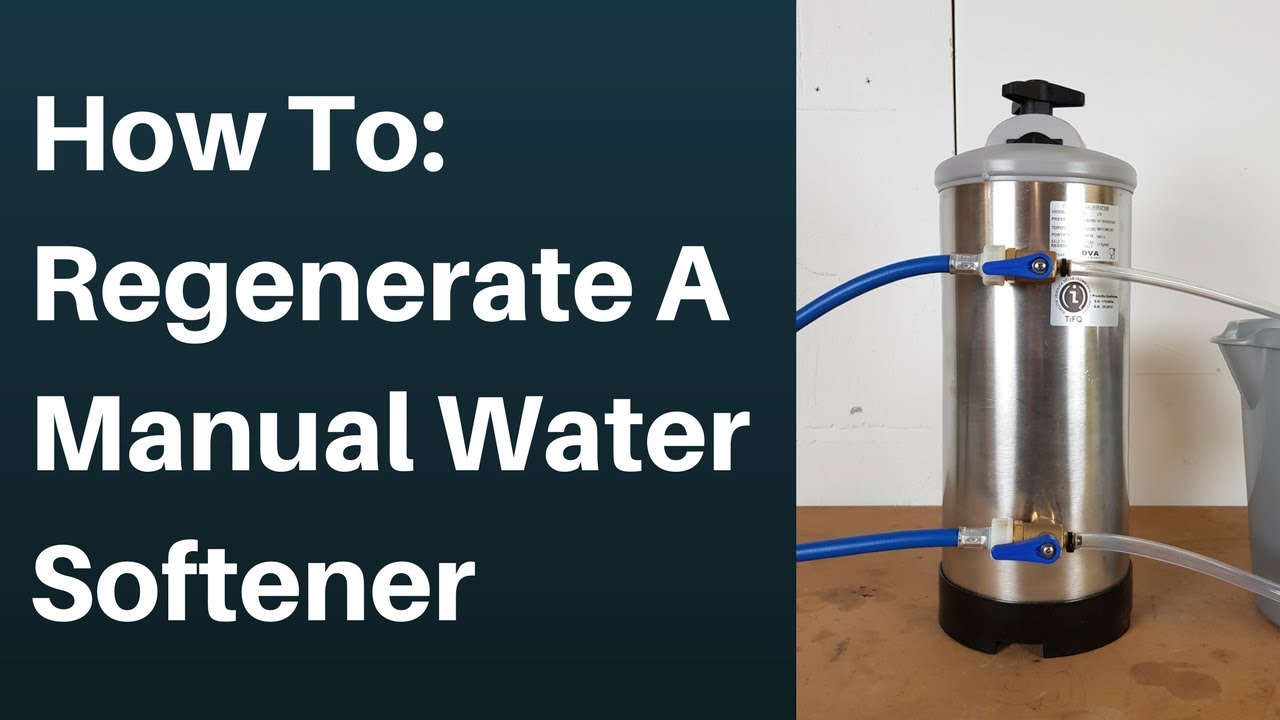 What Is Regeneration For Water Softener at Nora Clark blog
What If Your System Has No "Regen" Button?
Got an old-school dial with time-of-day wheels? You’re in luck—those are the easiest. Just turn the dial gently clockwise (never force it!) until you hear a click. That click is your cue to let the machine run through its cycle.
You might see a small pin or a button labeled "Manual Regeneration" near the motor. Pushing it once starts the cycle, pushing it again skips a step. It’s like having a choose-your-own-adventure book for your pipes.
Watch the Magic (and the Water)
During the cycle, you’ll hear water moving down the drain—totally normal. This is the brine tank flushing out the nasty, hard-water minerals it collected. It’s gross but beautiful, like watching a storm clean the air.
After about 40 minutes, the sound will slow down. That’s the rinse cycle, where fresh water polishes those resin beads back to perfection. You can actually smell the difference—a crisp, clean scent that says "I just saved my machine."
Don’t be alarmed if the drain hose spits out a few air bubbles or a bit of salt residue. That’s just your softener saying "thank you" in the only language it knows.
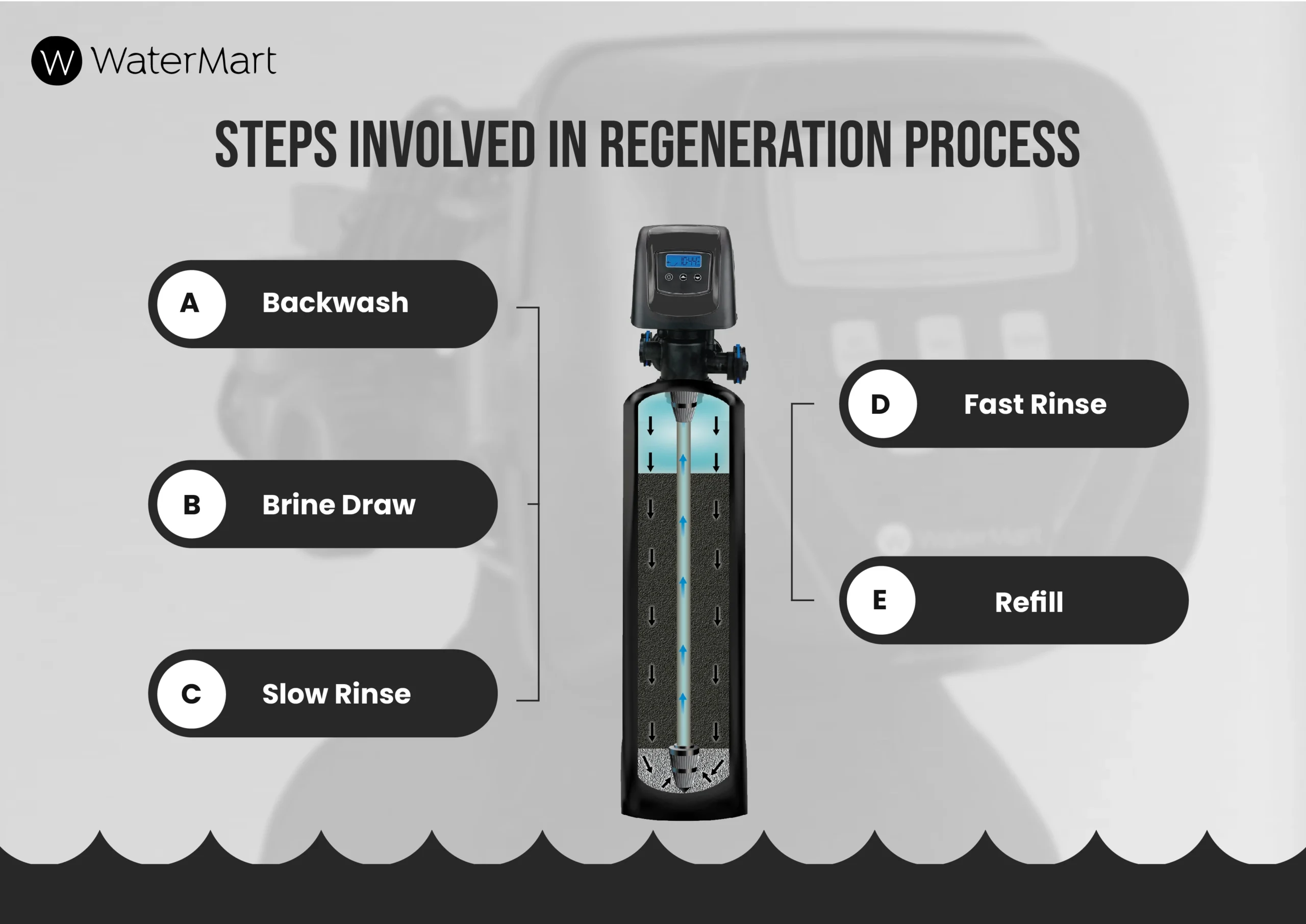 What Is Water Softener Regeneration - Process And Its Types
Final Step: Return to Auto Mode
When the hissing stops and the panel blinks steady again, you’re done. Turn your bypass valve back to "Service" or "Open" position. Slam it? No, be gentle but firm—like closing a car door.
Let the tap run for a minute to clear any salty air from the pipes. Taste the water? It should be neutral, not salty. If it tastes like the ocean, you left the valve in bypass mode and forgot to reconnect it (oops!)—just repeat the process.
Why This Is Cooler Than You Think
You now hold the keys to your home’s water kingdom. Manual regeneration isn’t just maintenance; it’s a hack that saves you a service call and gives you bragging rights over your DIY-savvy neighbors. Think of it as learning to jump-start a car—it’s simple, but it makes you the hero of the driveway.
Plus, you’ll understand your machine’s rhythm. You’ll notice when it’s struggling because the water feels slippery again, or when it’s doing an extra long cycle. It turns a boring appliance into a living partner in your home’s comfort.
So go ahead, give that button a push. Your water—and your silky skin—will thank you. And if something goes sideways? No worries, every softener has a manual with a "reset" page. You’ve got this.
