How To Remove E Coli From Water Naturally

Meet E. coli. It’s a tiny, invisible squatter that loves crashing your water supply. And no, it’s not a fun guest. But don’t panic. You can kick it out naturally—no fancy lab...

Meet E. coli. It’s a tiny, invisible squatter that loves crashing your water supply. And no, it’s not a fun guest. But don’t panic. You can kick it out naturally—no fancy lab coats or toxic chemicals required.
First, a weird fact: E. coli is actually your friend in the gut. It helps digest food. But the wrong strain? It’s like inviting a rowdy biker gang to a tea party. They’ll trash the place. So let’s learn how to evict the bad ones with nature’s own tools.
Boiling: The Old Reliable (And a Little Heroic)
Boiling is the superstar of natural water purification. Bring water to a rolling boil for just one minute. That’s it. The heat literally fries E. coli cells into oblivion. Think of it as a tiny sauna they can’t escape.
Must Read
Fun twist: Boiling also kills 99.9% of other nasties. But don’t let it boil dry. You’ll end up with a scorched pot and no water. That’s just sad.
Sunlight: The Free Energy Hack
Yes, the sun—that big glowing ball—can zap E. coli. It’s called solar disinfection. Fill a clear plastic bottle with water. Leave it in direct sunlight for six hours. Ultraviolet rays do the dirty work.
Quirky fact: This works best on cloudless days. If it’s overcast, double the time. And use clear bottles only—green or brown glass block the UV. It’s like giving E. coli a pair of sunglasses. Rude.
Moringa Seeds: The Tree That Fights Back
There’s a tree called Moringa oleifera. Its seeds are tiny ninjas. Crush them, stir them into water, and they clump together with bacteria. Then gravity pulls the clumps to the bottom. You pour off the clean water.
This trick works because the seeds contain a natural protein that’s like glue for bacteria. It’s so effective that some villages in Africa use it as their primary water filter. Crazy, right? A tree seed beating science.
 How To Remove Bacteria From Water at Robert Bullock blog
DIY Sand and Charcoal Filter: Make a Giant Brita
Build a simple filter at home. Get a bucket. Layer in clean sand, then activated charcoal (crushed charcoal from a fire works). Pour dirty water through. The sand catches big stuff, and charcoal traps E. coli like a sponge.
Pro tip: Use fine sand, not the chunky beach kind. E. coli is small. It can slip through gaps like a slippery fish. You want a tight weave. Bonus: Charcoal also removes bad smells. Your water won’t taste like swamp.
Lemons and Vinegar: Kitchen Chemistry for the Win
Acid is lethal to E. coli. A splash of lemon juice or white vinegar in water can kill bacteria. But this is risky. You need enough acid to lower the pH to 4.0 or below. That’s a lot of lemon juice—like juicing half a dozen lemons per liter.
Yes, your water will taste like a sour candy. But it’s a quick fix in a pinch. Just don’t rely on it long-term. Your teeth will revolt. And your taste buds will file a complaint.
The "Boil & Chill" Trick
Here’s a cheeky hack: Boil water, then cool it fast by putting the pot in an ice bath. The rapid temperature change can stun any surviving bacteria. It’s not perfect, but it’s fun. You can pretend you’re a mad scientist.
Also, never put hot water in a plastic container. Microplastics can leach in. That’s a whole other party foul nobody wants.
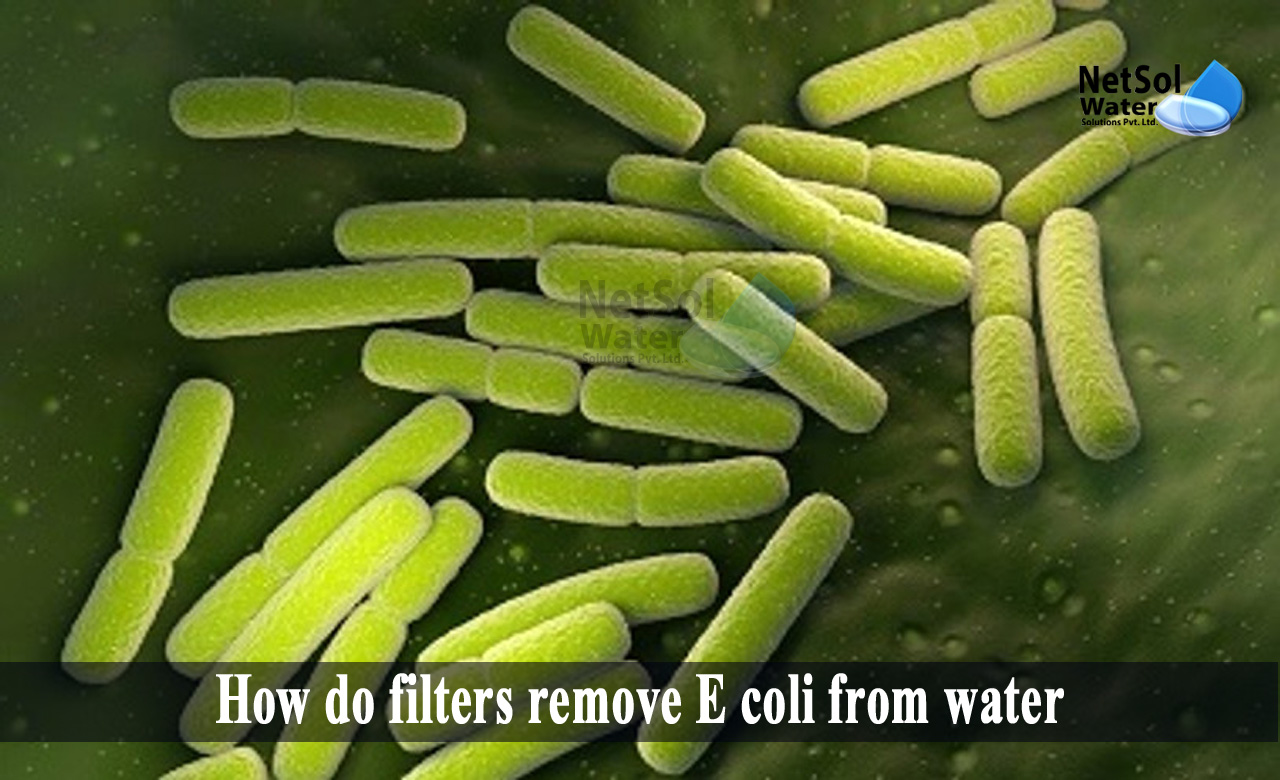 Do water filters eliminate E.coli from drinking water
Why This Stuff Is Actually Fun
Because you’re using sunlight, trees, and lemons. That’s basically magic. E. coli is a stubborn little jerk, but nature has a whole arsenal of tricks. And you get to be the wizard wielding them.
Imagine telling a friend: “Oh, I cleaned my water with Moringa seeds and UV rays.” Instant cool points. They’ll think you’re a survival guru. You’ll feel like Bear Grylls—but without the drinking-your-own-urine part.
One Big Warning (Don’t Skip This)
These natural methods work best on water that’s already fairly clear. Muddy or cloudy water needs pre-filtering (like through a cloth). Otherwise, you’re just making muddy, E. coli-colored soup. Not appetizing.
And if you’re dealing with a major outbreak—like from a flooded well—do not rely on lemons alone. Boil or use a tested filter. Your health is worth more than a cool science experiment.
The Final Sip
E. coli doesn’t stand a chance against a little ingenuity. You’ve got boiling, sunshine, seeds, and acid. Pick your weapon. And remember: Nature has been purifying water for billions of years. You’re just borrowing its playbook.
Now go out there and make some clean water. Your future self—and your stomach—will thank you. Cheers to natural, curious, and slightly badass hydration.
