How To Treat A Well For Coliform Bacteria

So, picture this: it’s a scorching Saturday, and you’re chugging a glass of water from your own well—the one you *swear* tastes like mountain spring. Then, the test results co...
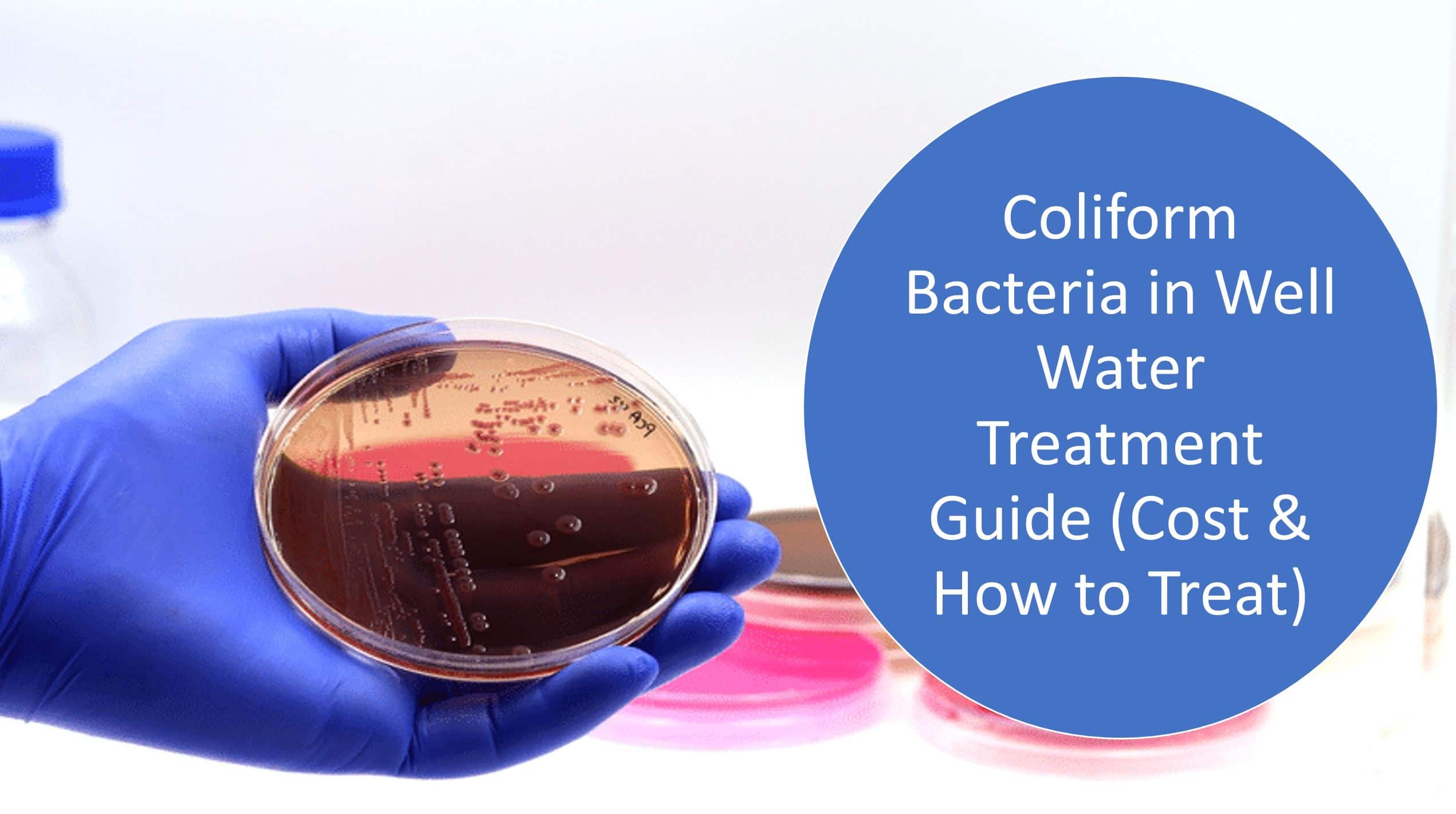
So, picture this: it’s a scorching Saturday, and you’re chugging a glass of water from your own well—the one you swear tastes like mountain spring. Then, the test results come back. Coliform bacteria. Your first thought? “Did I just drink a science experiment?” Don’t panic. This is more common than you think, and it’s fixable.
Think of coliform bacteria as the neighborhood watch of your water supply. They aren’t necessarily the bad guys themselves, but their presence screams, “Hey, something’s leaking into your well!” Usually, it’s a crack in the casing, a broken seal, or surface water sneaking in after a heavy rain. The good news? You don’t need a hazmat suit—just a plan.
Step 1: Don’t Freak Out—Confirm the Results
First, breathe. A single positive test for total coliform doesn’t mean you’ll grow a third arm. It’s a warning light, not a total system failure. Call your local health department or a certified lab to repeat the test. Sometimes, it’s a lab error or a contaminated sample bottle (yes, your shaky hand can mess it up).
Must Read
While you wait, switch to bottled or boiled water for drinking and brushing your teeth. Pro tip: Tell your family it’s “an adventure in rustic living.” They won’t buy it, but it makes you feel like a pioneer.
Step 2: The Shock Treatment—Chlorination
Okay, confirmed positive? Time for the nuclear option: shock chlorination. This isn’t your grandma’s swimming pool chlorine—it’s a concentrated bleach bath for your well. You’ll need unscented, household bleach (the cheap kind, no lemon-fresh nonsense). Calculate roughly one gallon of bleach for every 100 feet of well depth, but check your well log first. (You do have that dusty document from 1987, right?)
Pour the bleach directly into the well casing. Use a hose to circulate the water for at least an hour, running it from an outside spigot back into the well. This is the only time you want your water to smell like a laundromat. Let it sit, untouched, for 12 to 24 hours. No flushing the toilet, no showers—unless you fancy a bleach-scented exfoliation.
The Aftermath—Flushing Like Crazy
After the soak, the fun begins: flushing. Hook up a garden hose to an outside spigot and run the water until the bleach smell vanishes. This could take an hour or an entire afternoon (depending on your well’s stubbornness). Don’t just dump the bleached water onto your lawn—it kills grass. Divert it to a driveway or gravel area.
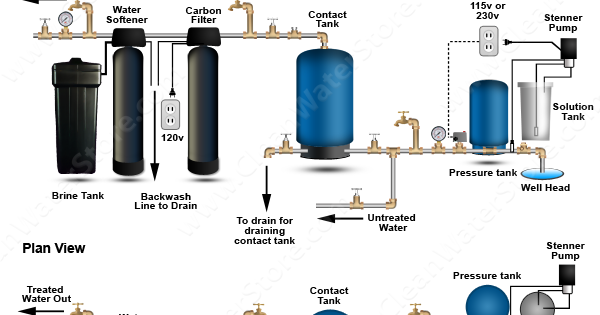 Clean Well Water Report: How to Treat My Well Water for Coliform Bacteria
Now, flush all indoor faucets, toilets, and the washing machine. You’ll hear some sputtering and maybe a few metallic burps from the pipes. That’s normal. Side note: The first load of laundry after chlorination? Wash in cold water and skip the bleach—your clothes will thank you.
Step 3: Retest, Retest, Retest
Wait a week. Yes, a whole week. Patience is the enemy of bacteria. Then, collect a new sample from a clean faucet (sterilize the spout with a lighter or alcohol wipe). Send it to the same lab. If it’s clean—congratulations, you’ve won the war. If coliform is still there, you’re dealing with a chronic issue. Time to call a licensed well driller.
Why? Some wells have cracks, corroded screens, or bad seals that let dirt and critters in. A professional might install a UV filter or a continuous chlorinator—essentially a robot that nukes bacteria 24/7. Your wallet will cry, but your gut will thank you.
Step 4: Prevention—The Low-Maintenance Life
No one wants to do this twice a year. So, inspect your wellhead. The concrete cap should be intact, and the casing should stick out at least 12 inches above ground level. If it’s buried under mud or leaves, dig it out. That’s a coliform invitation.
 How to Treat Coliform Bacteria in Well Water
Also, check for any standing water within 50 feet of the well. A tiny puddle from the dog’s water bowl? Fine. A flooded garden hose? Gross. And for heaven’s sake, don’t store chemicals, manure, or dead batteries near the well. It’s not a shelf—it’s your drinking straw.
When to Just Give Up and Call a Pro
Look, some of us enjoy playing amateur plumber (raises hand). But if your well is older than your first VHS tape, or if the coliform returns after two treatments, hire a water well professional. They have fancy cameras that peek inside the casing and can spot issues you can’t. It’s expensive, yes. But so is diarrhea—pick your poison.
One final, ironic truth: even after you treat the well, the water might still taste a bit “bleachy” for a week. That’s okay. It’s the taste of victory. Go ahead, pour yourself a glass, toast to modern sanitation, and pretend you’re a hardy homesteader. Just don’t forget to retest next season. Your gut is a delicate flower—treat it like one.
P.S. If you’re pregnant, immunocompromised, or have tiny humans crawling around, don’t DIY this for long. Boil water or use a certified filter until the test comes back clean. Your inner survivalist can wait.
