How Long Does Chlorine Take To Evaporate

Let’s be honest: you probably didn’t wake up today desperate to know the exact evaporation rate of chlorine. But here’s the thing—if you’ve ever smelled that sharp, pool-water...

Let’s be honest: you probably didn’t wake up today desperate to know the exact evaporation rate of chlorine. But here’s the thing—if you’ve ever smelled that sharp, pool-water scent clinging to your hair after a swim, or filled a bucket to wash the car, you’ve already wondered. The good news? Chlorine evaporation is one of those simple science tricks that can save your swimsuit, your skin, and even your morning coffee routine.
So, how long does it take? In a standard, sunny, outdoor pool, about half the chlorine can disappear in just a few hours. But the real answer depends on whether you’re dealing with a swimming pool, a glass of tap water, or that bucket you left out last weekend.
The Big Chill: What Makes Chlorine Vanish Faster?
Chlorine is a bit like a shy guest at a party—it leaves quickly when conditions are right. Sunlight is its biggest enemy. Ultraviolet rays break down chlorine molecules in a snap, which is why outdoor pools need constant topping off.
Must Read
If you’ve ever filled a kiddie pool on a hot July morning, you probably noticed it smelled less like a public pool by lunchtime. That’s the UV party happening. Heat helps too—warm water speeds up the escape act, while cold water slows it down.
And then there’s air movement. A breezy day? Your chlorine is practically waving goodbye. Still air? It lingers like that one relative who won’t leave the barbecue.
But What About My Tap Water?
Ah, the everyday hero question. If you’re filling a pitcher for your morning iced tea, you don’t want it to taste like a swimming lesson. Tap water usually has a small amount of chlorine added to kill germs—it’s safe, but you can taste it.
Here’s the kitchen hack: leave that pitcher uncovered in the fridge overnight. By morning, most of the chlorine will have evaporated. It’s not magic—it’s just gas escaping into the cool air. Your taste buds will thank you.
How long exactly? For a standard glass, about 8 to 12 hours. For a whole pitcher, give it a full day. You can speed it up by stirring it once or leaving it on the counter (but fridge is better for bacteria control).
The Pool Owner’s Dilemma
If you’re one of those brave souls who owns a backyard pool, you already know the struggle. You test the water on a Saturday, it’s perfect, and by Sunday evening, it’s a ghost town of chlorine. That’s because chlorine evaporates fastest in the top few inches of water.
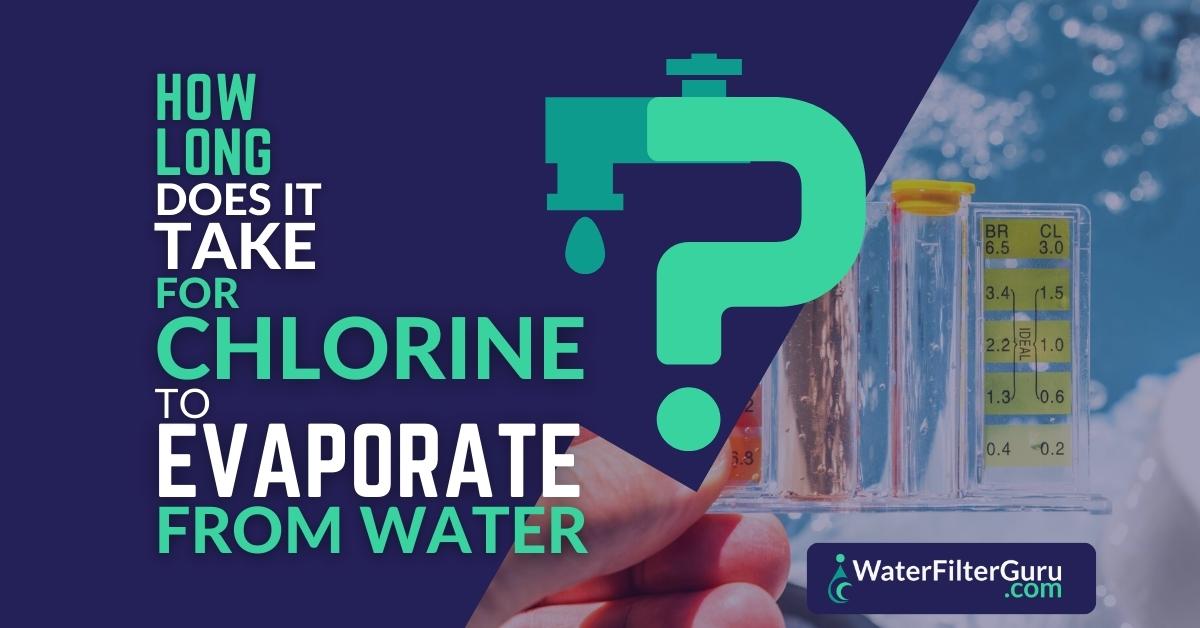 How Long Does It Take Chlorine to Evaporate From Water?
Think of it like steam rising from a hot cup of tea—except the steam is invisible and keeps your pool from turning green. In direct sun, you can lose up to 90% of your chlorine in just two hours. That’s why pool experts scream about using a cover.
My neighbor, Dave, once left his pool uncovered for a week in July. He came back to what he described as “a swamp with a diving board.” A little dramatic, Dave, but he wasn’t wrong. Lesson learned: cover it, or buy more chemicals.
A Word on That “Pool Smell”
You know that distinct chlorine smell everyone associates with a clean pool? Well, brace yourself—it’s not actually chlorine. That smell is chloramines, a byproduct formed when chlorine reacts with sweat, pee, and dead skin cells. Gross, I know.
When you smell that strong odor, it means the chlorine is working hard—and already starting to evaporate as a gas. So if you walk into an indoor pool and your eyes burn, it’s not too much chlorine. It’s too little active chlorine and too much human baggage.
The takeaway? A pool that smells like a chemistry lab needs more chlorine, not less. But also, please use the bathroom before you jump in. For everyone’s sake.
Everyday Life: Chlorine in Your Fish Tank and Garden
Maybe you’re not a pool person. Maybe you’re a fish person. Tap water is toxic to fish because of the chlorine—it damages their gills. Letting the water sit out for 24 hours allows the chlorine to dissipate, making it safe for your goldfish, Bubbles.
I once made the mistake of pouring fresh tap water into my betta’s bowl. He gave me the fish equivalent of a side-eye. Now I prep his water the night before, and he swims like a king. Bettas don’t forgive easily.
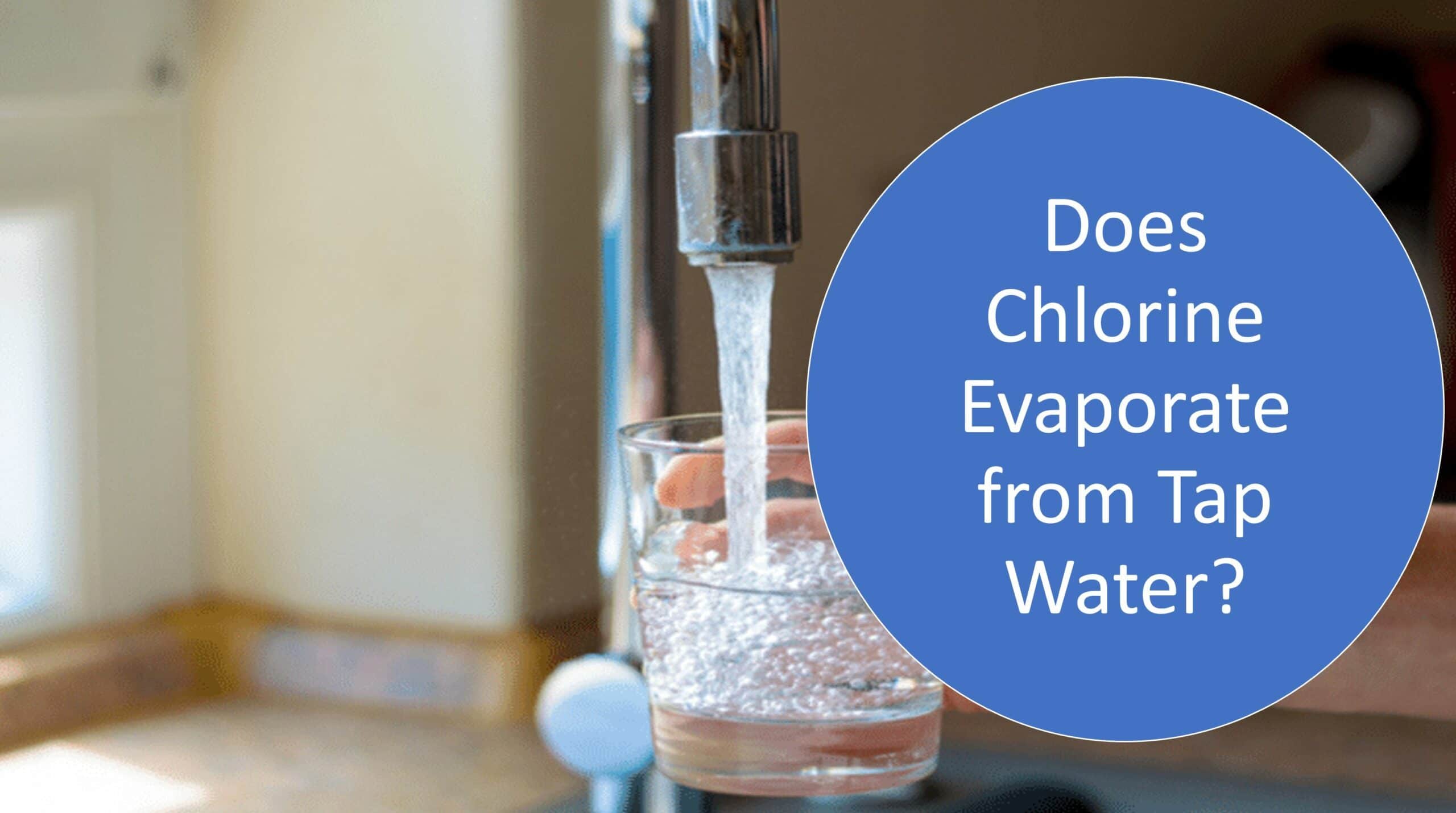 How Long Does It Take Chlorine To Evaporate From Water | Detroit Chinatown
Same goes for your garden. If you water plants with chlorinated water day after day, the soil microbes can suffer. Letting a watering can sit out for a few hours before you sprinkle your tomatoes can make a noticeable difference. Your basil will taste less like a public pool. Promise.
So, What’s the Final Number?
Here’s the cheat sheet for real life: In a sunny outdoor pool, chlorine halves every 2–3 hours without stabilizer. In a covered pool, it can last days. In a glass of tap water at room temp, give it 12–24 hours. In a fridge, closer to 24 hours.
If you’re in a hurry, boiling water for 15 minutes will remove chlorine instantly—but that’s a lot of effort for a glass of water. Patience is the real trick.
And if you’re still reading because you’re worried about your post-swim hair? Rinse with a little vitamin C powder (sold at pool stores). It neutralizes chlorine on contact. Your hair will stop feeling like straw, and you won’t smell like a lifeguard’s lunch break.
The Takeaway: You Control the Clock
Chlorine evaporation isn’t rocket science—it’s just a friendly gas that wants to leave the party early. Sun, heat, and wind are its ride home. Cold, darkness, and a lid are your bouncers.
So next time you’re filling up that pitcher or testing the pool, don’t stress. Just remember: give it time, give it air, and cover it when you’re done. Your taste buds, your fish, and your neighbor Dave will all be better off.
Now go enjoy that crisp, chlorine-free iced tea. You’ve earned it.
