What Is The Ph Level For Distilled Water

Ever stared at a glass of water and wondered what’s really going on inside it? I mean, we all know water is wet, but did you know it has a secret personality trait called pH?...

Ever stared at a glass of water and wondered what’s really going on inside it? I mean, we all know water is wet, but did you know it has a secret personality trait called pH? Let’s dive into the curious case of distilled water’s pH level—and trust me, it’s way more interesting than high school chemistry class made it seem.
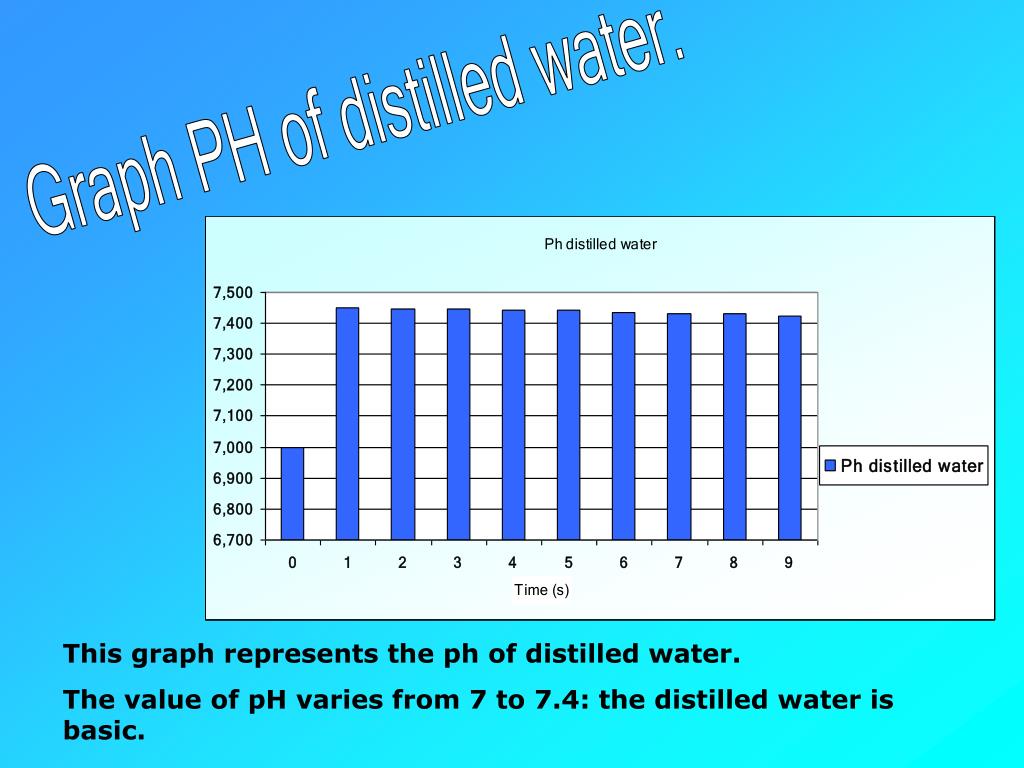
So, what’s the big number? Distilled water typically has a pH of 7, which is right in the middle of the scale—neutral, like Switzerland on a lazy Sunday. But here’s the twist: it’s not always exactly 7.0. In fact, when you first distill water, it’s extremely pure and has no minerals, which makes it a bit of a snob when it comes to absorbing carbon dioxide from the air.
That’s right—distilled water is a CO2 magnet. Once it hits the open air, it gobbles up carbon dioxide molecules, which form a tiny amount of carbonic acid. This drops the pH slightly, to around 5.5 or 6.0. Don’t panic—that’s still barely acidic, about as sour as a weak cup of black coffee. Your stomach acid? That’s a pH of 1.5 to 3.5. Distilled water is practically a baby compared to that.
Must Read
Why Should You Care About a Little Number?
You might be thinking, “Okay, but does this affect my morning glass of water?” Honestly, for most of us, not really. Your body is a master pH regulator, keeping your blood around 7.35 to 7.45 no matter what you sip. Drinking distilled water won’t turn you into a science experiment gone wrong.
But here’s what’s cool: the pH of distilled water tells a story about purity. Think of it like a blank canvas. Regular tap water is full of minerals like calcium and magnesium, which act like buffers—they keep the pH steady. Distilled water has none of that, so it’s super sensitive to the environment. It’s like a chameleon that changes color based on who it’s hanging out with.
Ever seen a swimming pool test kit? That little color match is basically your water’s mood ring. Distilled water’s pH dance is just a reminder that everything in nature likes a little balance—even something as simple as H2O.
 PPT - Measuring the pH Levels of Distilled, Tap, and Acidic Water: An
Comparing the pH Scale: A Fun Little Tour
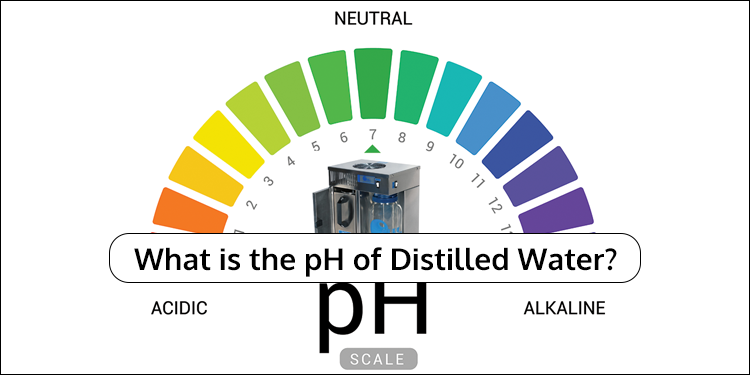
Let’s make this relatable. On the pH scale of 0 to 14, battery acid is a 0 (ouch), lemon juice is a 2, pure rainwater is about a 5.6, and milk is around 6.5. So distilled water at 5.5 to 7 is hanging out near milk and rain—nothing wild. Meanwhile, baking soda is a 9, and bleach is a 13. Distilled water is the chill friend in the middle of that party.
Why is it cool that it’s so neutral? Because it makes distilled water a perfect baseline for experiments. Scientists use it to calibrate pH meters—like a tuning fork for water. Without distilled water’s predictable stability, your favorite lab tech would be crying over test tubes.
And here’s a fun thought: if you mixed distilled water with a drop of lemon juice, its pH would plummet fast. Why? No buffers! Regular tap water would resist that change a bit because of its minerals. So distilled water is like a drama queen—it reacts quickly and dramatically. Kind of poetic, right?
 Ph Levels In Water
But Wait—Is It Safe to Drink?
Let’s address the elephant in the room. You’ve probably heard rumors that distilled water is “too pure” and leaches minerals from your body. That’s a myth for everyday consumption. Your body gets minerals from food, not water. Drinking distilled water in normal amounts is fine—it’s literally just hydrogen and oxygen.
The real issue? If you drank only distilled water for months and ate a terrible diet, you might have some trouble. But so would a person drinking tap water on a junk food diet. Context matters! For most people, distilled water’s pH is a non-issue—it’s just a fascinating fact to share at dinner parties.
So next time you see a bottle of distilled water, don’t think “boring.” Think of it as a quiet little rebel with a pH that can shift on a whim. It’s the water that reminds us nothing in nature is truly static—not even something as simple as a drop of water.
