Where Does Our Drinking Water Come From

Let’s be honest: you probably don’t think about your drinking water very often. You twist the faucet, and *poof*—there it is, cold and clear. But have you ever paused mid-sip...
Let’s be honest: you probably don’t think about your drinking water very often. You twist the faucet, and poof—there it is, cold and clear. But have you ever paused mid-sip and wondered, “Wait, where did you actually come from?” It’s a wilder, more fascinating story than you’d expect—and it might just make your next glass of water feel like a tiny miracle.
The Big, Blue Beginning
Believe it or not, the water in your glass is ancient. It’s the same water dinosaurs drank, rained on knights, and filled the clouds above your great-grandparents. The Earth is a closed system: we don’t get new water, we just borrow the old stuff.
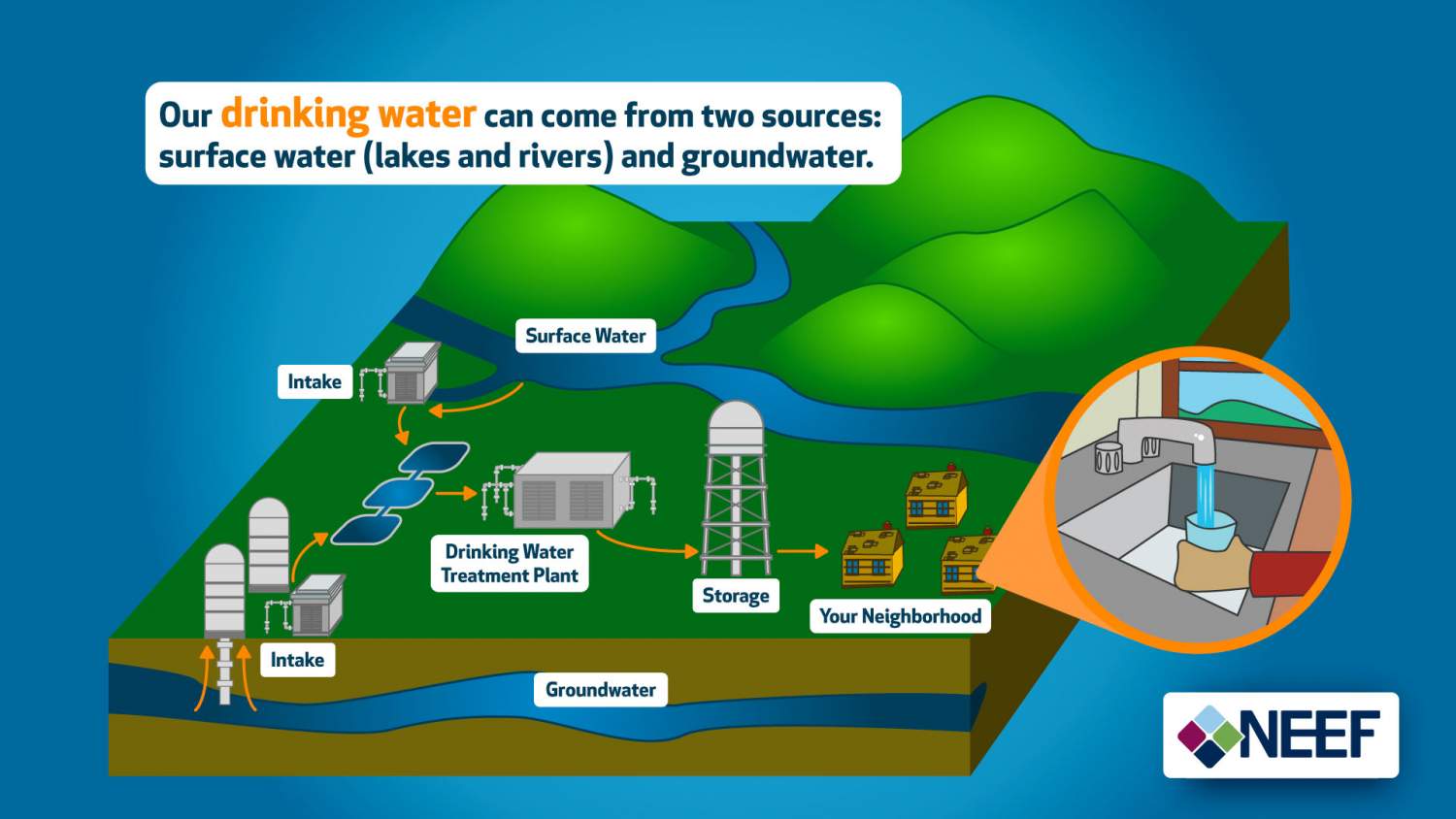
So where does it start? Most of our drinking water comes from two main places: surface water (rivers, lakes, reservoirs) and groundwater (water tucked away in underground rock layers called aquifers). Think of it as nature’s hidden treasure chest, except the treasure is wet and life-giving.
Must Read
Surface Water: The Star of the Show
Turn on any tap in a big city, and chances are you’re sipping from a nearby river or lake. For example, New York City gets its water from the Catskill Mountains—a journey of over 125 miles through pristine streams. The water is so clean that it barely needs filtering before it hits your faucet. Fancy, right?
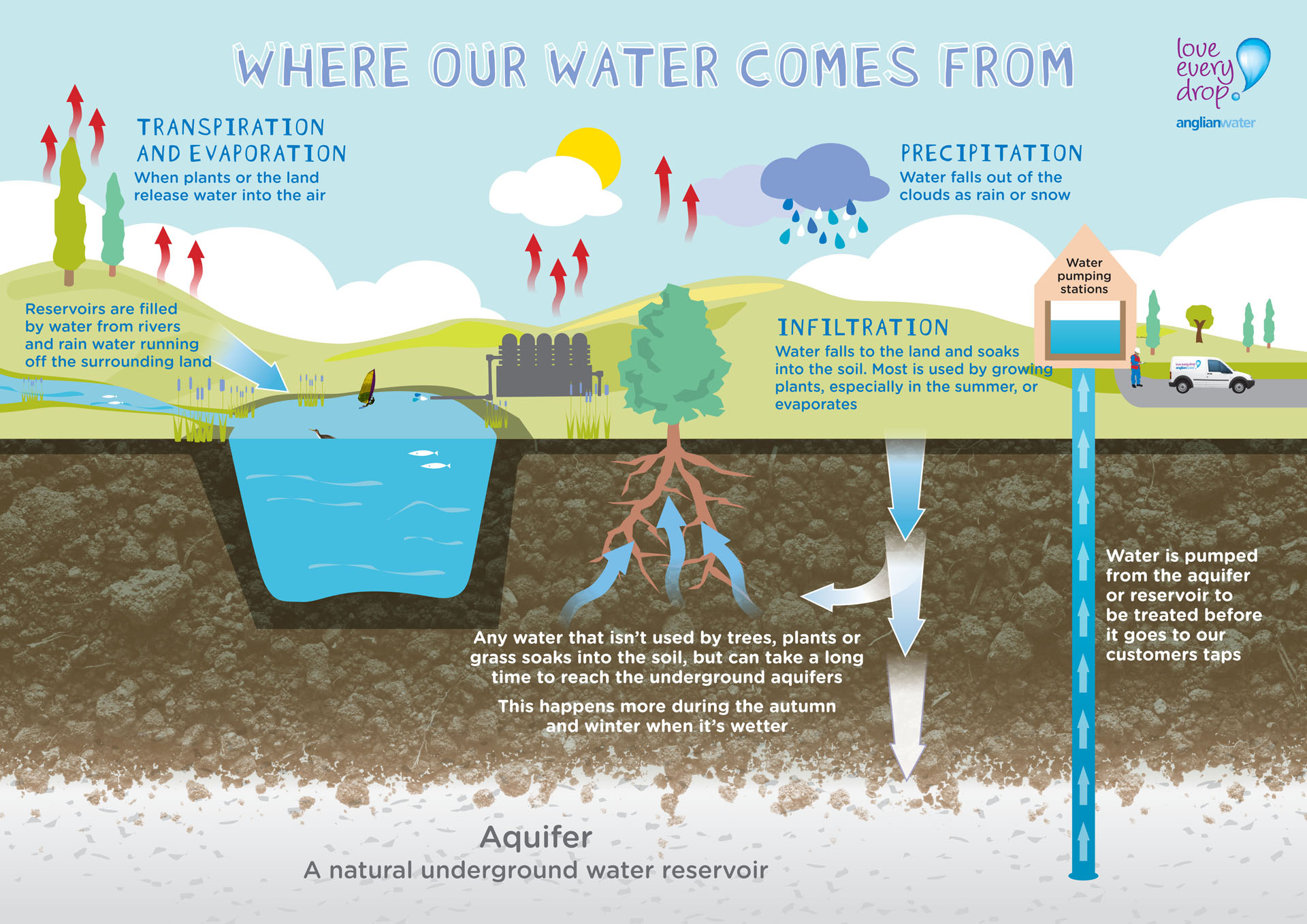
But here’s the kicker: that water didn’t just appear. It fell as rain or snow, trickled through soil, and made its way into a reservoir. Then it travels through concrete tunnels, pipes, and treatment plants. By the time it reaches your glass, it’s been on an epic road trip without leaving your neighborhood.
Groundwater: The Slow and Steady Hero
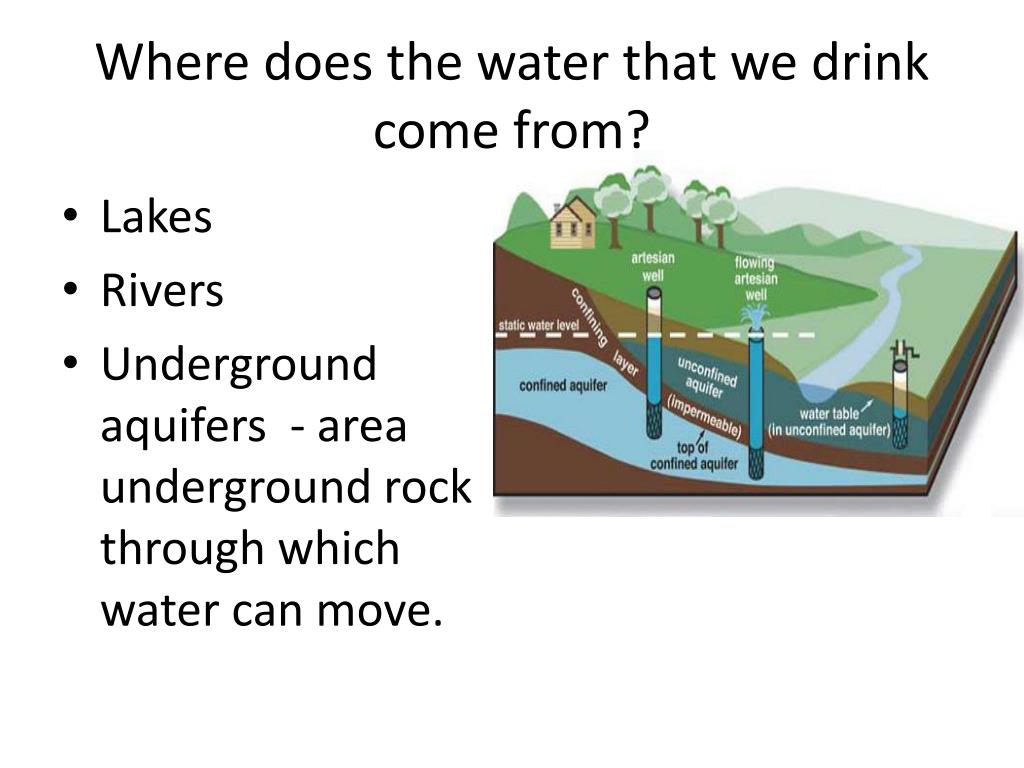
If you live in a small town or rural area, your water likely comes from underground—and that’s even more magical. Rainwater seeps through layers of sand, gravel, and rock over hundreds of years. During this slow crawl, the rock naturally filters out impurities. It’s like nature’s Brita filter, only it takes a few centuries to finish the job.
 PPT - Water Usage and Treatment PowerPoint Presentation, free download
Farmers love groundwater because it doesn’t evaporate or freeze easily. We extract it by drilling wells deep into aquifers (some as deep as the Empire State Building is tall!). Just imagine: the water you’re drinking today may have started its journey when Shakespeare was writing plays. Mind. Blown.
What About the Journey Home?
Okay, so the water is out there—in a lake or underground. But how does it get to your bathroom sink? First, it goes to a water treatment plant. Engineers there add chemicals to make tiny particles clump together and sink. Then they filter it through sand, add a touch of chlorine to kill germs, and sometimes even zap it with UV light.
After that, it’s pumped into giant storage tanks and then into miles of pipes under your street. The entire process takes about 24 to 48 hours. Think about that the next time you take a 10-minute shower: your water had a longer commute than you do.
A Little Fun Fact for Your Next Dinner Party
Did you know that almost 80% of bottled water is just tap water? Yep, companies often fill bottles from municipal supplies, slap on a fancy label, and charge you a thousand times more. Plus, that plastic bottle takes 450 years to break down. So every time you fill a reusable bottle from the tap, you’re being both thrifty and heroic. High-five, eco-warrior!
 Where Our Water Comes From , Where Does Our Drinking Water Come From
Why This Makes Life More Fun
Once you know where your water comes from, you start seeing the world differently. That rainstorm isn’t just an annoyance—it’s your future hydration. That muddy river isn’t gross; it’s a giant water warehouse. And you become part of the story every time you drink, cook, or water a plant.
Next time you’re hiking near a stream, take a moment to thank the rocks and the clouds. The water you carry in your bottle literally flows through the same cycle that keeps our entire planet alive. It’s a humble link to everything—dinosaurs, rainbows, and your morning coffee.
The Uplifting Finale
Here’s the truth: our Earth is a master recycler. Every drop of water we have is infinitely borrowed, endlessly reused. And the systems we build to clean and deliver it are quiet marvels of human ingenuity. You don’t have to be a scientist to feel awe—just turn on the tap.
So go ahead: pour yourself a tall glass. As you drink, remember you’re tasting rain from a Jurassic forest, snow from a mountain peak, and a little bit of human cleverness. Cheers to the water, and to the journey that brought it to you. Now go learn something else wonderful—maybe about where your electricity comes from next. The world is full of hidden adventures, one sip at a time.
