Where Does Most Bottled Water Come From

Ever grabbed a bottle of water from the store and wondered, “Where did you come from, little bottle?” It’s a fair question. After all, that clear, cool drink didn’t just appea...
Ever grabbed a bottle of water from the store and wondered, “Where did you come from, little bottle?” It’s a fair question. After all, that clear, cool drink didn’t just appear from nowhere. Chances are, it traveled a surprisingly long way to get to your hand.
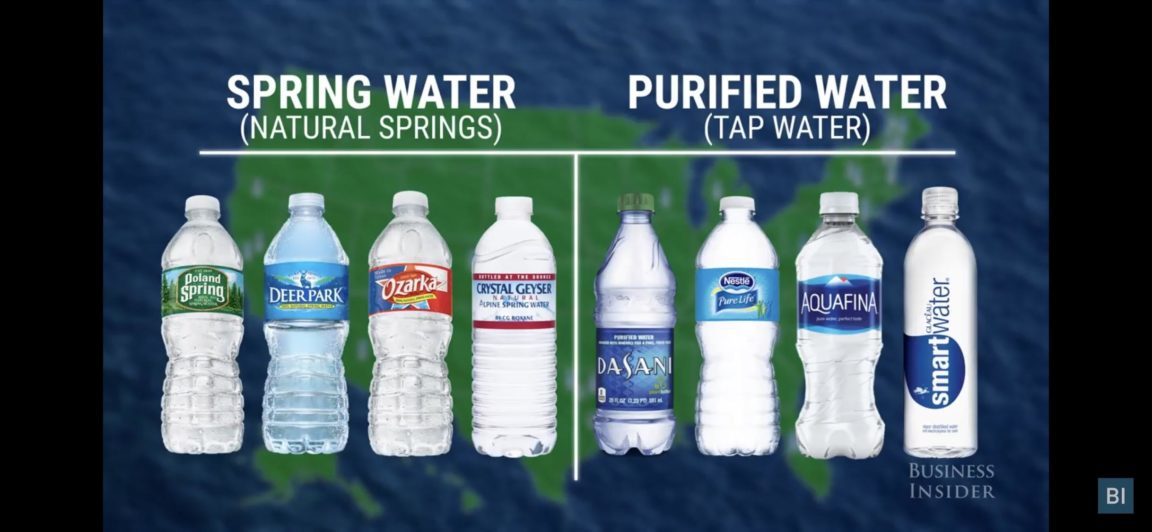
Here’s the quick, chill truth: most bottled water comes from two main sources. The first is spring water, which bubbles up naturally from the ground. The second is purified water, which starts as tap water or groundwater and gets heavily filtered. The cool part? About half of all bottled water sold is just treated tap water.
Spring Water: Straight from the Earth’s Belly
Think of spring water as nature’s own delivery service. It comes from underground aquifers, which are like giant, hidden lakes in the rocks. Companies drill down and capture that water right where it naturally emerges. It’s often marketed as “pure” and “natural,” which sounds fancy, right? But hold on—it’s not always from a magical mountain stream.
Must Read
Believe it or not, many popular spring water brands come from Florida, Maine, or California. For example, a huge chunk of spring water in the U.S. is sourced from a single aquifer in Florida. It’s not exactly a remote glacier, but a very real, very popular underground river. Talk about a global road trip in a plastic bottle!
Purified Water: The Tap Water Makeover
Now, let’s talk about the water that gets a glow-up. Purified water can start its life as ordinary tap water. Companies take it, run it through reverse osmosis and other filters, strip out the minerals, and sometimes add them back for taste. It’s like giving tap water a spa day and calling it “pure.”
Aquafina and Dasani are two huge brand examples. They’re basically community tap water that’s been deeply cleaned. The source? It’s often the same municipal supply that comes out of your kitchen faucet. So, when you buy a bottle of Dasani in New York, it’s very likely New York tap water dressed up in a plastic tuxedo.
 where o’ where does your bottled water come from? – OB Rag
The Geography of Your Bottle
So where does the most bottled water in the world come from? Geographically, it’s not one single place. The big players source from local municipalities all over the globe. In the U.S., the country’s largest water bottling facilities are clustered in places like Michigan, Pennsylvania, and California. It’s less about a secret spring and more about a convenient factory near a city water pipe.
Check this out: Nestlé (now BlueTriton) famously bottled water from a spring in Maine, while Coca-Cola bottles Dasani water from public supplies in Georgia and Texas. It’s a little like finding out your favorite “pure” drink started as a rain cloud over a town you drive through. Weirdly fascinating, isn’t it?
But Wait—It’s Not All Tap
Don’t get me wrong: some brands really do come from pristine spots. Fiji Water comes from an artesian aquifer in the islands of Fiji. Evian hails from the French Alps, straight from a spring that’s been filtering through glacial rocks for 15 years. Think of them as the travel influencers of the water world—they’ve got an exotic zip code.
Then there’s Voss, which comes from a spring in southern Norway, and Icelandic Glacial, from—you guessed it—Iceland. These guys have marketing on lock. They make you feel like you’re drinking a piece of the wilderness. But for every bottle that flies from Fiji, there are a hundred that start right in your hometown’s water treatment plant.
 Where Does Water For Bottled Water Come From at Sharon Boyle blog
Why Does This Even Matter?
Here’s the thing: it matters because it’s your choice. Knowing your water’s origin is like knowing the story behind your coffee beans. Are you paying four bucks for something that came from a tap two miles away? Or are you paying for the story of a distant glacier? That’s kind of cool, right?
Also, it makes you think about waste. If your water comes from a local spring but is shipped across the country, it uses a ton of fuel. On the other hand, local tap water turned into purified water has a smaller carbon footprint. It’s a fun, slightly mind-bending puzzle that makes your next sip a little more interesting.
So, What’s the Takeaway?
The next time you crack open a bottle, ask yourself: “Are you a local hero or a world traveler?” Some water has a passport, and some water just crossed the street. Both are totally fine—just be aware that most of it is closer to home than you think.
Really, it’s all just H₂O chilling in a container. But knowing where it comes from? That makes it feel a little bit like a travel story in your hands. So, go ahead—read the label. You might be surprised to find out your water’s hometown is way more ordinary—or way more exotic—than you ever imagined.
