Does A Pur Water Filter Remove Chlorine

Let’s be honest: we’ve all stood in the kitchen, staring at a glass of tap water, and wondered, “What exactly is swimming in here?” One of the biggest culprits people worry ab...
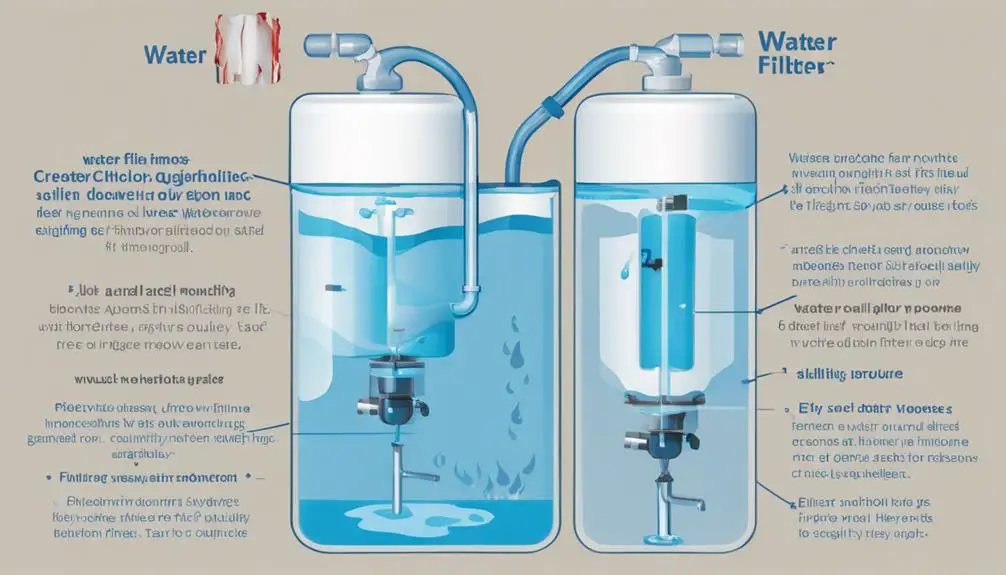
Let’s be honest: we’ve all stood in the kitchen, staring at a glass of tap water, and wondered, “What exactly is swimming in here?” One of the biggest culprits people worry about? Chlorine. You know that faint pool-like smell? Yeah, that’s it. And the burning question on everyone’s mind? Does a PUR water filter remove chlorine?
Spoiler alert: Yes, it absolutely does. But let’s unpack this so you can stop guessing and start sipping. PUR filters are like tiny superheroes for your faucet, and chlorine is their arch-nemesis.
The Simple Science (Without the Boring Lab Coat)
Chlorine is added to public water supplies for a very noble reason: to kill bacteria and viruses. It’s a lifesaver! But it can also leave your water tasting like a swimming pool’s younger, less-fun cousin. That’s where a PUR filter steps in.
Must Read
PUR filters use a combination of activated carbon and ion exchange. Think of activated carbon as a microscopic sponge that loves grabbing onto chlorine molecules. As water flows through, the chlorine gets trapped, while the clean, fresh water passes through to your glass. It’s like a bouncer at a club—chlorine doesn’t get past the velvet rope.
But Does It Really Work? Let’s Get Real.
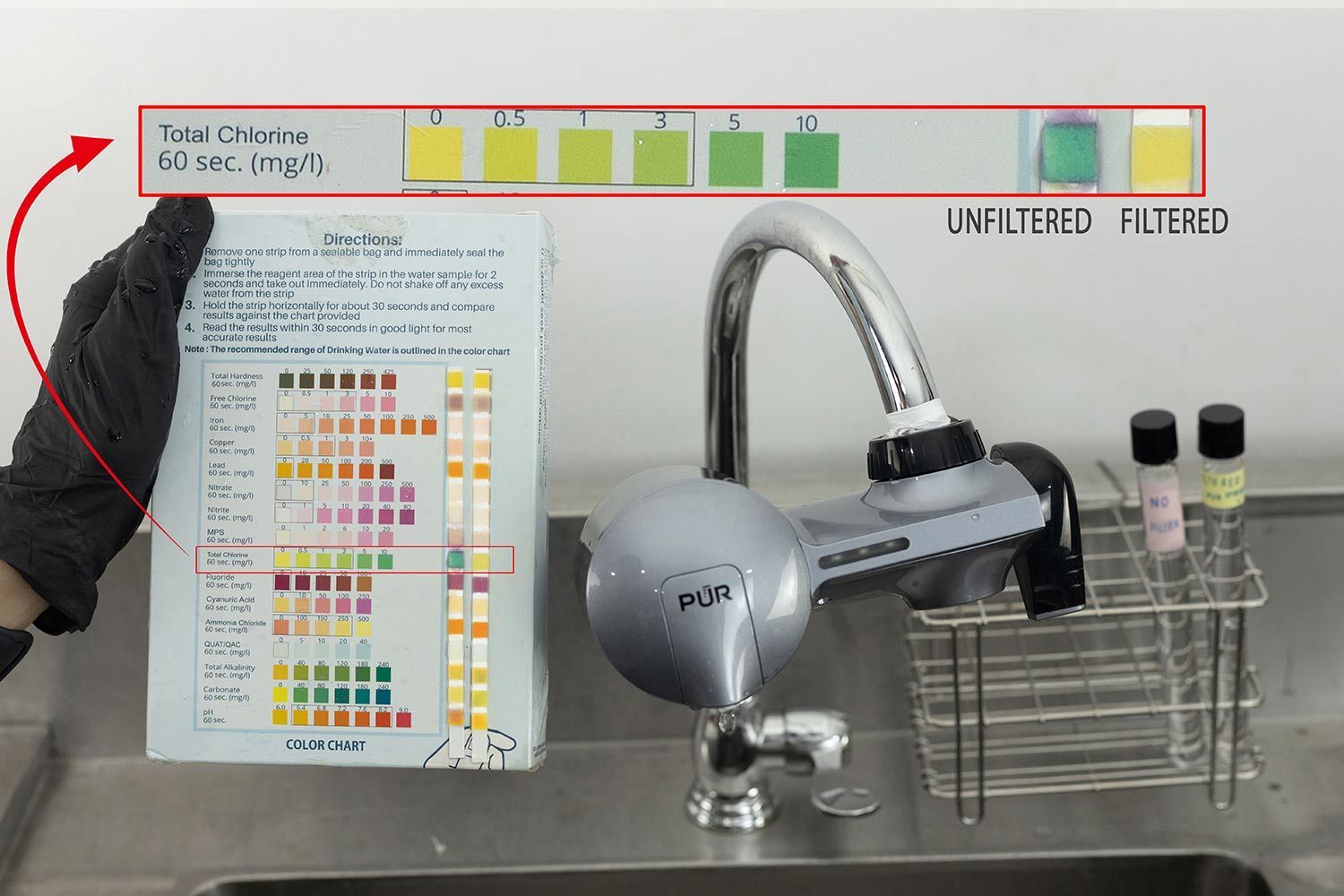
Yes, and it’s been tested. PUR filters are certified by the NSF (National Sanitation Foundation) to reduce chlorine, among other contaminants. Specifically, the standard PUR faucet mount and pitcher filters are certified to reduce 99% of chlorine from your tap. That’s not a maybe—that’s a “bye bye, bleachy taste.”
You’ll notice the difference the very first sip. Your morning coffee? Now it actually tastes like coffee, not like a chemistry experiment gone rogue. Your iced tea? Crisp and refreshing, not like you’re chugging from a garden hose.
Why This Makes Life More Fun (Seriously!)
Think about all the ways chlorine affects your fun moments. Ever tried to impress a friend with a fancy homemade lemonade, only to have them ask, “Why does this taste like a public pool?” Embarrassing. With a PUR filter, you become the host with the most. Your water is the star of the party—crystal clear, neutral, and glorious.
 Does Pur Water Filter Remove Chloramine: Truth Revealed Today - RO System
And it’s not just about taste. Chlorine can also affect the smell. That fusty, chemical odor when you run the tap? Gone. Your bathroom glass won’t reek like a locker room. Your soup stock? Pure, unadulterated flavor. Cooking becomes a joy instead of a guessing game.
Plus, you can finally stop buying those plastic water bottles. You know the ones—cluttering your garage, costing a small fortune, and feeling like a guilt trip every time you toss one. A PUR filter turns your tap into a zero-waste hydration station. Saving money? Check. Saving the planet? Double check.
The One Thing You Have to Remember
Okay, here’s the only catch—filters don’t last forever. PUR filters have a lifespan, usually about 100 gallons or every 2–3 months. If you ignore that little LED indicator, the filter gets tired, and chlorine might slip through. Think of it like a coffee filter: it works great until it’s clogged, then you just get bitter water. Nobody wants bitter water.
So set a reminder on your phone, or buy a six-pack of filters so you’re never caught off guard. It’s a tiny habit that keeps the good water flowing.
 PUR Plus Faucet Filter (PFM350V) In-depth Review
What About Other Stuff? (Because Chlorine Isn’t the Only Guest)
While PUR is a champ with chlorine, it also handles a bunch of other nuisances. It reduces lead, mercury, and even some pesticides. So you’re not just de-pooling your water; you’re giving it a full spa treatment. But the chlorine removal is the star feature that you’ll notice immediately.
And here’s a fun fact: Some people report that filtered water actually tastes smoother or softer. That’s because the filter also removes some of the minerals that cause hardness, like calcium and magnesium. Your tea will steep better, your pasta will cook cleaner, and your skin might even feel less dry after a glass. It’s a win-win-win.
Your New Superpower Awaits
So, does a PUR water filter remove chlorine? Yes, with gusto. You don’t need a chemistry degree, a DIY kit, or a stand in a lab coat. You just need a faucet and a filter that cost less than a night out. The result? Water that tastes like joy, not a chemical accident.
Here’s the inspiring part: Once you taste the difference, you’ll start paying attention to what else you can improve in your kitchen. Maybe it’s a new spice rack. Maybe it’s finally learning to make the perfect risotto. Or maybe it’s just enjoying a cold glass of water while you read about the next amazing thing that can make your life a little brighter, a little cleaner, and a lot more delicious. Go ahead—take that first sip. You’ve got this.
