Does Tritan Plastic Leach Microplastics

Okay, let’s talk about Tritan plastic. You know, that fancy, clear, shatterproof stuff in your expensive water bottle? The one you smugly carry around, feeling superior to bas...
Okay, let’s talk about Tritan plastic. You know, that fancy, clear, shatterproof stuff in your expensive water bottle? The one you smugly carry around, feeling superior to basic plastic peasants.
We all have the same question, don't we? Does it leach microplastics? Is my smug, BPA-free life a lie? Let’s grab a metaphorical coffee and dig in.
The Short Answer (Spoiler Alert!)
Technically? Yes. But—and this is a massive but—it’s complicated. All plastics shed tiny particles over time. Tritan is no miracle exception.
Must Read
But here’s the kicker: Tritan is a copolymer. That means its molecules are linked in a way that makes it tougher than your average disposable bottle. It’s like the Chuck Norris of plastics.
What’s the Big Deal with Microplastics Anyway?
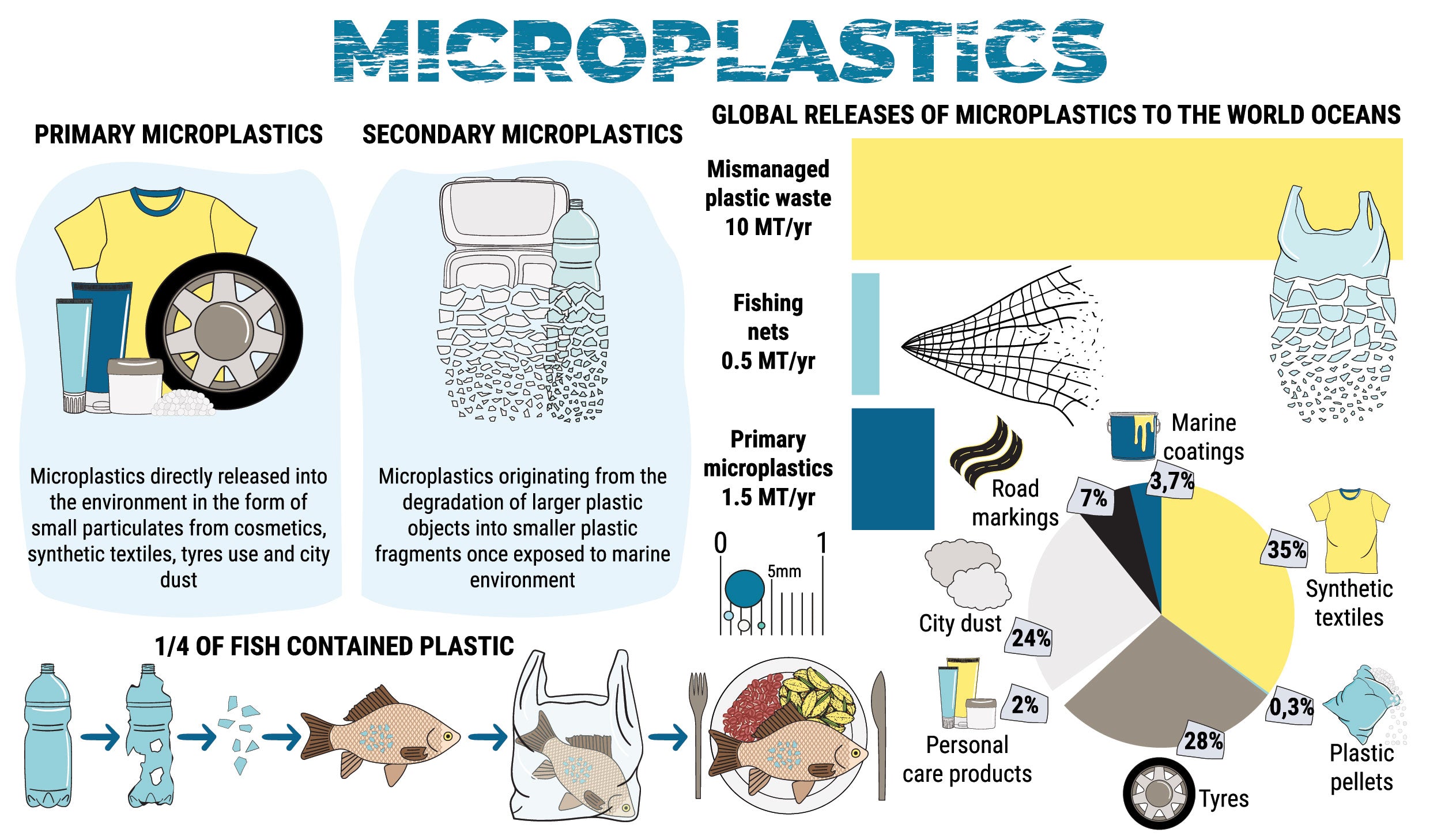
Honestly? We don’t fully know yet. Studies are finding these little buggers everywhere—in the ocean, in clouds, and… yikes… in human blood. It’s the existential dread du jour.
The fear is that they carry bad chemicals or cause inflammation. But comparing Tritan to a flimsy water bottle is like comparing a cast-iron skillet to a single-use Styrofoam cup. Different leagues entirely.
The Science-y Bit (Made Fun)
One big study looked at Tritan vs. polycarbonate (the old-school, actually bad plastic). The result? Tritan released far fewer compounds after heating, UV exposure, and dishwashing.
Does it shed microplastics? Yes, from physical wear—like scratching it with a scrub brush or dropping it on concrete. Think of it as microscopic sawdust from a pencil. Annoying, but not chemically dangerous.
The good news: those particles are mostly the same inert polymer. They don’t carry estrogen-mimicking chemicals like BPA. So, fewer chemical worries, more particle worries.
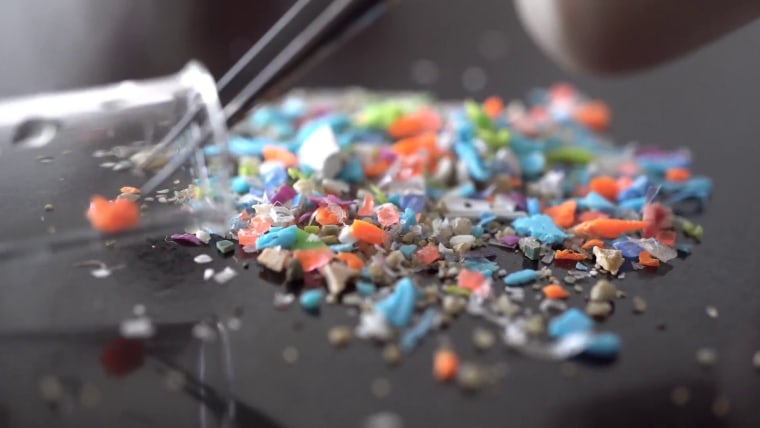 It doesn't take much for microplastics to leach into food, researchers warn
But Wait—What About Dishwashers and Hot Drinks?
Ah, the million-dollar question. Can you pour boiling tea into your Tritan bottle without turning into a microplastic factory? Probably fine.
Tritan is heat-stable up to about 212°F (100°C). If you’re not microwaving it for ten minutes, the chemical breakdown is minimal. The real culprit for shedding is abrasion—like using a steel wool pad on it.
So no, you don’t need to panic about your morning coffee. Just don’t aggressively sandpaper your bottle, okay?
The Elephant in the Room: BPA-Free Hype
Let’s be real. “BPA-free” became a marketing goldmine. Tritan’s parent company, Eastman, even fought legal battles to prove it doesn’t leach estrogenic chemicals. And they won.
But here’s the twist: some studies suggest other bisphenols (like BPS) can replace BPA. Eastman claims Tritan uses none of them. Their formula is a patented blend of Tritan copolyester. It’s like a secret sauce for safe plastic.
Is it perfect? No. Nothing is. But compared to a generic water bottle from 2005? It’s a massive upgrade. You’re not a fool for using it.
 What You Need To Know About Microplastics and Textiles - Bioneers
Real Talk: Should You Ditch Your Tritan Bottle?
Look, if you’re worried, switch to stainless steel or glass. Those are the gold standards for zero microplastic shedding. But don’t throw your Tritan bottle in the trash just yet.
The biggest risk factor for microplastics is heat + age. If your Tritan bottle is scratched up, smells weird, or looks cloudy? Replace it. Otherwise, it’s likely fine for daily use.
Think of it this way: your dental floss also sheds microplastics. So do car tires. You’re already swimming in this stuff. A Tritan bottle is a drop in an ocean of plenty.
Verdict (With a Side of Sass)
Does Tritan leach microplastics? Yes, at a very low rate from physical wear. Does it do it in a scary, BPA-laced way? Almost certainly not.
It’s like asking if your favorite pair of jeans sheds lint. Sure, it does. But you’re not going to wear a tinfoil suit instead. Relax.
If you want to be ultra-cautious, hand-wash your Tritan bottle. Don’t put it in the dishwasher on high heat. And definitely don’t take it to a rock concert and throw it around.
But overall? You’re fine. Go drink your water, you beautifully paranoid human. Cheers.
