Does A Water Softener Add Salt To Water

Let’s tackle a question that’s been bugging you, hasn’t it? Does a water softener actually add salt to your drinking water? Spoiler alert: no, it doesn’t—but the confusion is...
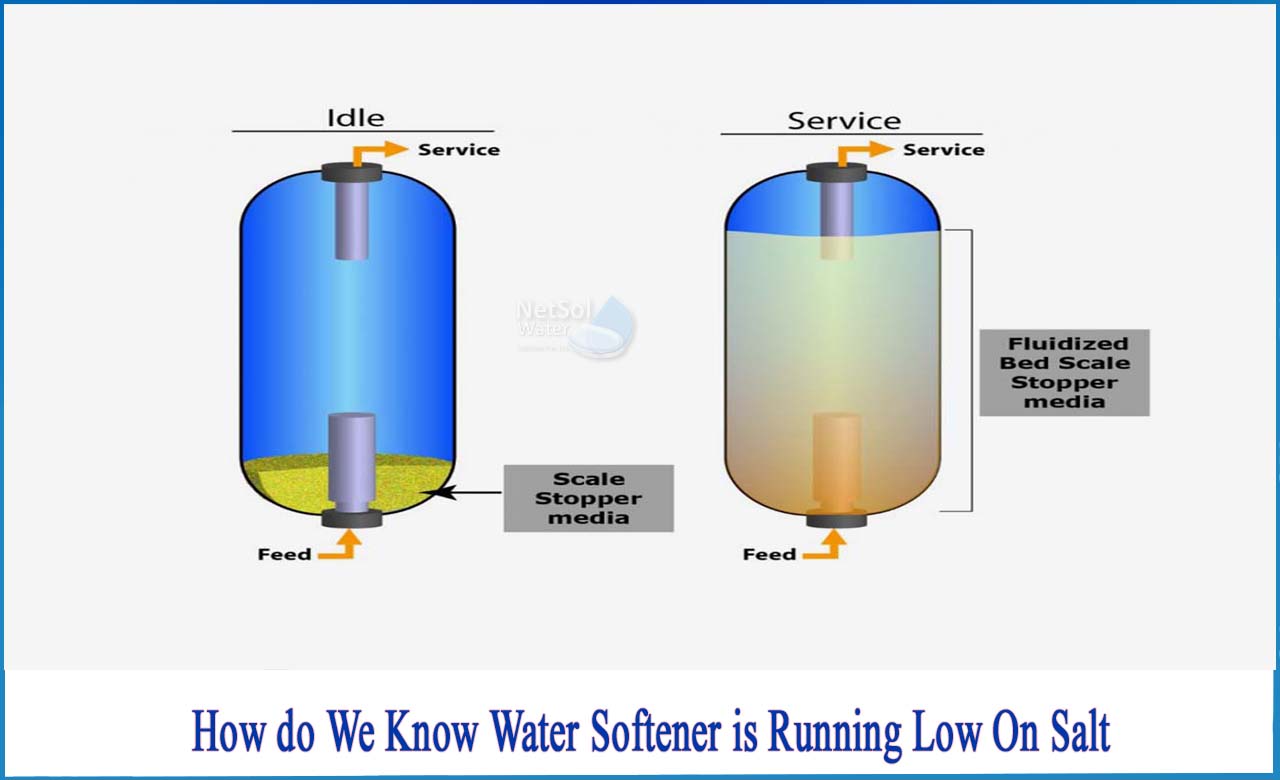
Let’s tackle a question that’s been bugging you, hasn’t it? Does a water softener actually add salt to your drinking water? Spoiler alert: no, it doesn’t—but the confusion is totally understandable. We’re about to clear that up with a splash of fun science and a whole lot of relief.
First, what’s the deal with “soft” water?
Hard water is basically water that’s packed with calcium and magnesium minerals. They’re not harmful, but they leave crusty scale on your faucets and make your soap feel sad and slimy. A water softener swaps those hard minerals for something else—sodium ions—using a process called ion exchange.
Here’s the twist: the sodium comes from a salt brine used to recharge the system, but it’s not poured directly into your water. Think of it more like a trade—the hard minerals get kicked out, and a tiny bit of sodium stays behind. We’re talking about an amount so small, it’s often less than what’s in a slice of bread.
Must Read
So, does the water taste salty? Nope.
If you’re imagining a glass of water that tastes like the ocean, stop right there. The level of sodium added is usually around 20–30 milligrams per liter. That’s about the same as a few potato chips. You’d need to drink a gallon to get the salt equivalent of a single slice of cheese pizza. Your taste buds won’t notice a thing—promise.
Here’s the funny part: people often panic about “salt” in their water, yet they’re fine using salt-packed pasta water. The truth is, the brine tank has salt, but the drinking water doesn’t. The two stay separate like a secret romance that never goes public.
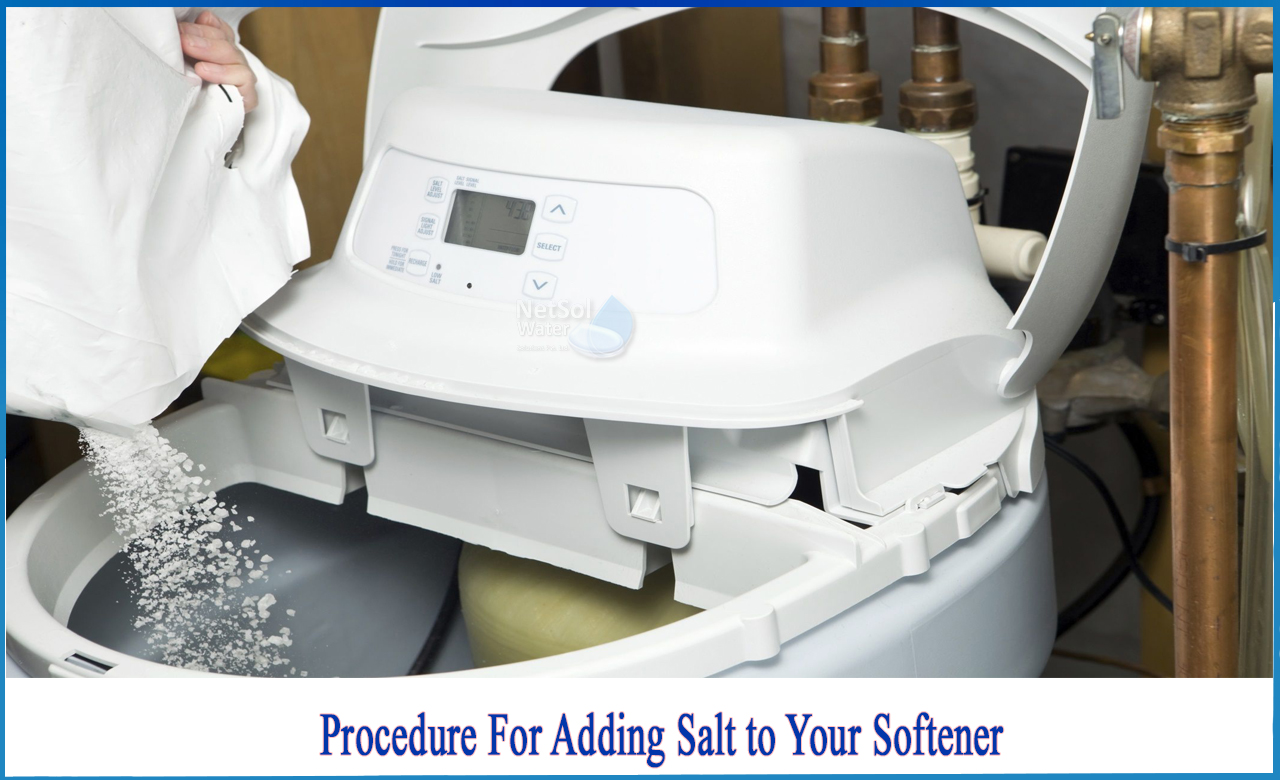 How to add salt to the water softener
But what about people on low-sodium diets?
Good question! If you’re medically restricted, you can install a reverse osmosis system alongside your softener. It strips out almost all the sodium, leaving water that’s practically nature’s own. Or, you can use potassium chloride instead of sodium chloride in the brine—just pricier, but works like a charm.
For everyone else? A water softener actually makes your life more fun. Imagine showers that leave your skin silky, not squeaky. Dishes that dry spot-free. Laundry that feels fluffier. That’s the gift of soft water—it’s like a spa day for your whole house.
 Water Softener Salt Setting at Latonya Langley blog
The myth-busting punchline
So, does a water softener add salt to water? No—it adds a trace of sodium, not a salt shaker’s worth. The salt stays in the tank, doing its job like a loyal backstage crew. You get to enjoy the show: better hair, cleaner glasses, and a happy washing machine.
Here’s the uplifting takeaway: understanding how your water works is like having a superpower. It turns a boring utility into something that cares for you. So go ahead, take that silky shower, pour a crystal-clear glass, and smile. Your water—and your life—just got a little softer, a little smarter, and a whole lot more fun.
Feeling inspired? Dive deeper. Learn about salt-free alternatives, PH levels, or even how to test your water hardness. The world of hydration is waiting—and it’s deliciously salt-free in all the right ways.
