Does Distilled Water Have Chlorine

So the other day, my friend Linda, bless her heart, texts me a photo of her kettle. It looks like a science experiment gone wrong—a thick, chalky crust clinging to the bottom...
So the other day, my friend Linda, bless her heart, texts me a photo of her kettle. It looks like a science experiment gone wrong—a thick, chalky crust clinging to the bottom like barnacles on a shipwreck. She’s furious. “I only use bottled water!” she types. I asked which kind, and she said distilled. “Because it’s pure, right?” Yeah, Linda. Pure. But clearly not pure enough for her kettle’s love of drama.
Her panic got me thinking about a question that pops up more often than you’d expect: Does distilled water have chlorine? It sounds simple, but the answer makes you feel like a tiny chemistry nerd for a second. And honestly? That’s a good feeling.
The short, sassy answer
No. Distilled water does not have chlorine. At least, not in any meaningful amount that would matter to you, your fish, or your precious espresso machine. The distillation process is basically a high-tech kidnapping of water molecules.
Must Read
Here’s how it works: you boil the water until it turns into steam, then you catch that steam and let it cool back into liquid. The chlorine—along with minerals, bacteria, and pretty much everything else—gets left behind in the boiling chamber. It’s like throwing a party for water and telling all the unwanted guests (chlorine included) to stay in the kitchen.
So if you’re worried about chlorine ruining your plants or making your tea taste like a swimming pool, distilled is your best friend. But hold your horses—there’s a twist.
But wait, doesn’t tap water have chlorine?
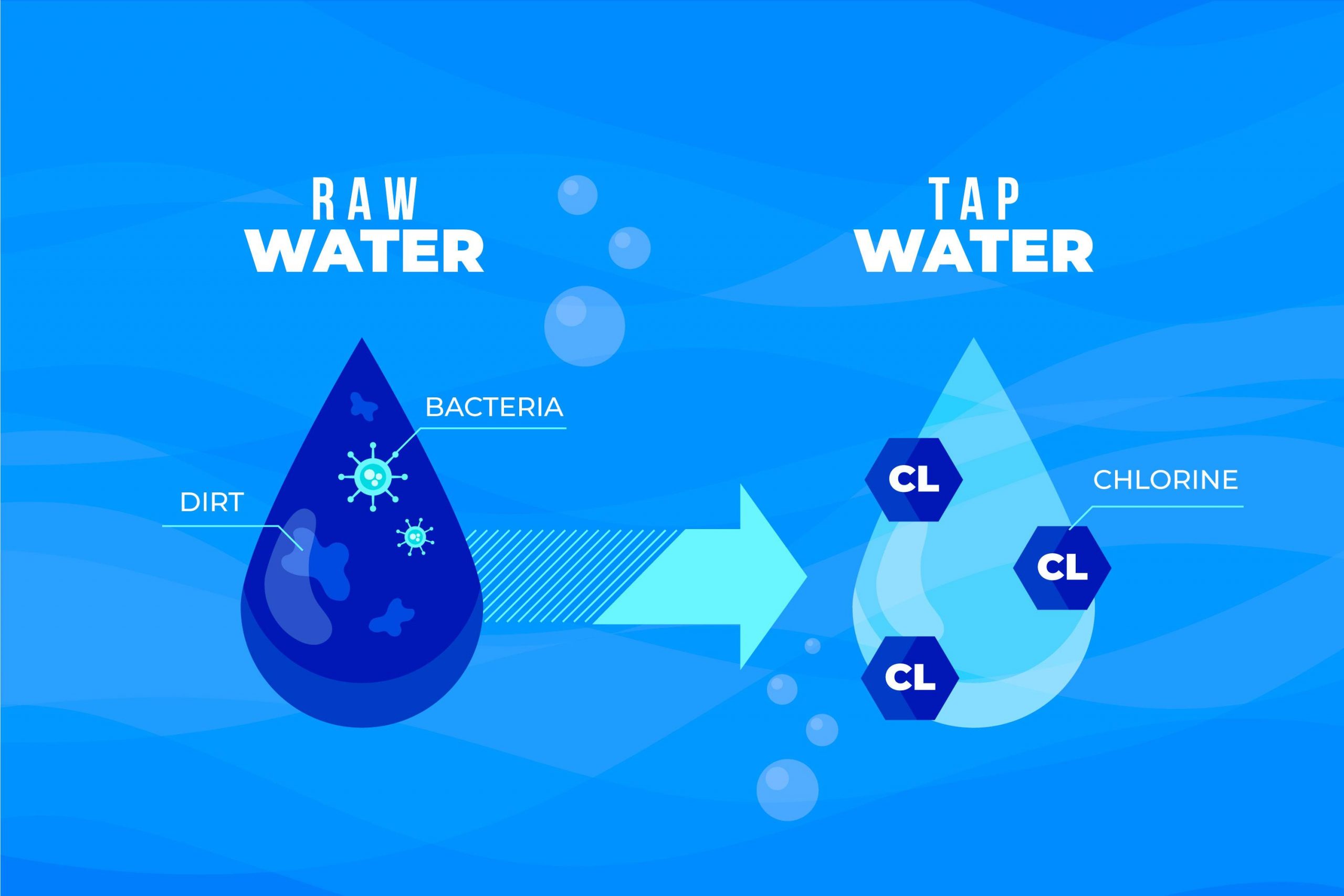
Oh, absolutely. Municipal tap water is basically a chlorinated soup. That’s on purpose—it kills nasty microbes so you don’t get a surprise case of dysentery from your morning glass. Chlorine is a hero, really. Just not a tasty one.
Distillation removes that chlorine like a bouncer ejecting a loud drunk from a bar. The steam rises, the chlorine stays behind (or gets vented off, depending on the setup). So if you’re buying a jug of distilled water from the store, you can bet your bottom dollar it’s chlorine-free. Mostly.
 Why Do We Use Chlorine In Drinking Water at Theresa Ferrell blog
The “mostly” is doing some heavy lifting here
Here’s where it gets a little wonky. Pure distilled water has no chlorine, but some manufacturers add a teensy bit of ozone or oxygen for storage purposes. That’s not chlorine, but it’s still a chemical. And if your distiller isn’t perfectly clean, there’s a microscopic chance trace amounts of chlorine could hang around. But we’re talking parts per billion—your taste buds won’t notice.
So, for all practical purposes: distilled water is chlorine-free. Linda’s kettle problem? That was hard water minerals, not chlorine. She just bought the wrong “pure” water. Oops.
Why do people even care about chlorine in water?
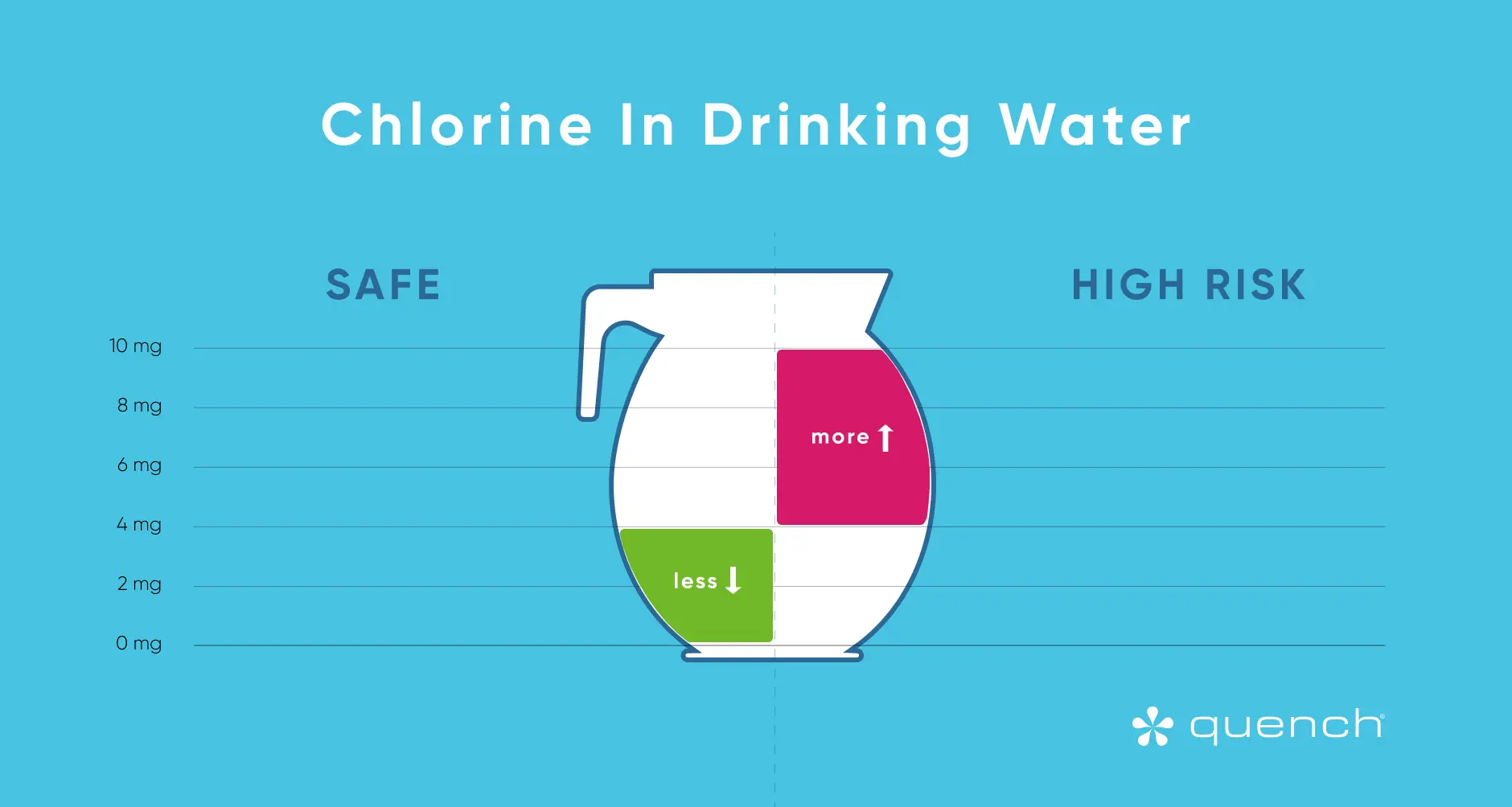
Good question! Chlorine can mess with the flavor of coffee, tea, and even cocktails. It’s also irritating if you have sensitive skin or a fish tank. Goldfish hate chlorine more than you hate slow Wi-Fi. Seriously, chlorine will kill aquarium fish in hours.
Distilled water is a godsend for fish owners, medical equipment, and car batteries. But for everyday drinking? Eh. It tastes flat because it lacks minerals. Some folks call it “dead water.” I call it “water that’s too clean for its own good.”
 Does Distilled Water have Chlorine? How to Remove Chlorine from Water?
So, should you drink distilled water or not?
You can drink it. It won’t hurt you. But your body actually craves those minerals (calcium, magnesium) that distillation kicked out. Drinking distilled water long-term might even leach minerals from your body because it’s so “hungry” for ions. Fancy science talk for: it’s a bit of a thief.
I’m not saying don’t buy it. I’m saying don’t replace your entire water supply with it unless you’re trying to win a “most bland water” contest. Use it for your iron, your humidifier, or your sourdough starter—but keep a jug of spring water for your actual thirst.
The final, ironic twist
Remember Linda? She dumped the distilled water, bought spring water, and her kettle is still crusty. Turns out, spring water has more minerals. She’s now mad at me. But hey—at least she knows the truth about chlorine.
So the next time someone asks, “Does distilled water have chlorine?” you can smirk and say, “Nope. It’s the Marie Kondo of water—sparks no chemical joy.” And if they give you a weird look, just tell them Linda sent you.
