Does Salt Have Ionization In Water

Have you ever wondered what actually happens when you sprinkle salt into a pot of water? You see it disappear, but where does it go, and why does it make the water taste salty...

Have you ever wondered what actually happens when you sprinkle salt into a pot of water? You see it disappear, but where does it go, and why does it make the water taste salty? It’s a simple act, but the science behind it is surprisingly cool.
So, does salt ionize in water?
The short answer is a big, enthusiastic yes. But don’t let the word “ionize” freak you out—it’s not as fancy as it sounds. Think of it more like a magical breakdance happening at the atomic level.
Let’s get real for a second. Table salt is made of two characters: sodium and chlorine, locked together in a tiny crystal. When you drop that crystal into water, the water molecules act like a bunch of tiny, curious magnets.
Must Read
The great split
Water molecules are a little lopsided—they have a slightly positive side and a slightly negative side. This polarity makes them perfect for tugging on the salt crystal. They pull the sodium and chlorine apart like a couple in a dramatic breakup.
This splitting process is what scientists call ionization. The sodium atom loses an electron, becoming a positively charged ion, and the chlorine atom gains that electron, becoming a negatively charged ion. Suddenly, your salt is no longer solid—it’s a swarm of charged particles floating freely.
Why is this so fascinating?
Because those ions are what make everything happen. Without this ionization, seawater wouldn’t conduct electricity, your body’s nerves wouldn’t fire, and your tears wouldn’t taste like, well, tears. It’s like the secret handshake of the chemistry world.
 CK12-Foundation
Think of it this way: salt in its solid form is like a boring, silent crowd at a concert. But the moment water hits it, the ions sparkle and become the life of the party—dancing around, carrying tiny electrical charges. How cool is that?
The electric twist
Here’s a fun party trick: if you put two metal wires into salt water and connect them to a battery, the water can actually light up a bulb. That’s because the free-floating ions act like tiny messengers, zipping the electric current from one end to the other.
Pure water, on its own, is a terrible conductor—it’s like trying to shout in a vacuum. But add a pinch of salt, and suddenly you’ve got a liquid highway for electricity. It’s the same reason you’re warned not to use electronics near the ocean.
But wait—does this happen with all salt?
Not all salts are created equal. Table salt (sodium chloride) ionizes beautifully, but other salts, like Epsom salt (magnesium sulfate), also do the dance, just a bit differently. Some compounds, like sugar, do not ionize at all—they just dissolve and hang out as neutral molecules.
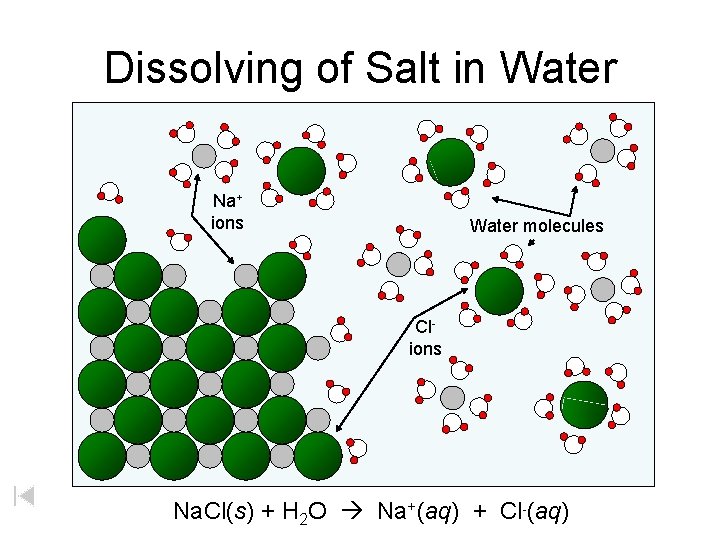 Dissolving of Salt in Water Na ions Water
That’s why sugar water doesn’t conduct electricity, but salt water does. Sugar is a shy wallflower; salt is a bold performer. It’s a simple distinction that changes everything about how these substances behave.
So, what’s the big takeaway?
The next time you salt your pasta water, remember: you’re not just adding flavor. You’re creating a microscopic universe of charged particles. You’re turning a dull crystal into a vibrant, electrically active soup.
And honestly, isn’t it amazing that something so common hides such a spectacular trick? Salt and water: they’re the ultimate duo, breaking bonds and making magic happen right under your nose. Who knew cooking could be so electrifying?
So, does salt have ionization in water? Yep, and it’s a tiny party you can enjoy every single time you cook. Now go ahead—shake some salt into a glass of water, watch it disappear, and smile knowing you’ve just summoned an invisible storm of ions.
