How Much Salt Is In Softened Water

Okay, let’s cut the fluff. You’ve got a water softener, and now you’re staring at your glass of water like it’s a science experiment. “Am I chugging ocean brine?” you ask your...

Okay, let’s cut the fluff. You’ve got a water softener, and now you’re staring at your glass of water like it’s a science experiment. “Am I chugging ocean brine?” you ask yourself.
I get it. The word “salt” sounds scary when it’s attached to anything you drink. But let’s calm down and chat over that coffee (which, by the way, is probably less salty now).
The Big, Salty Truth
Here’s the first thing you need to know: softened water is not salty. Like, at all. If you took a sip and expected a mouthful of seawater, you’d be seriously disappointed.
Must Read
The salt never actually gets into your drinking water. Wait, what? I know, it sounds like a magic trick. But it’s actually just basic chemistry.
Your softener uses salt to clean the resin beads inside the tank. Those beads grab the hard minerals (calcium and magnesium) from your water. The salt brine just rinses them off.
So, How Much Salt Actually Ends Up in the Glass?
Practically zip. Zero. Nada. The amount of sodium added by a typical softener is tiny—think about 20-30 milligrams per glass. For comparison, a single slice of white bread has about 150 milligrams.
Yeah, your bread is saltier than your softened water. Crazy, right? A dill pickle has more sodium than a whole gallon of softened water.
You’d have to drink, like, thirty glasses of softened water to equal the salt in one bag of potato chips. So no, you won’t bloat up like a pufferfish.
But What About the “Slippery” Feeling?
You might be thinking, “Hold up, my water feels weird now.” That slippery, silky sensation isn’t salt—it’s the absence of minerals. Hard water leaves a rough, filmy residue on your skin.
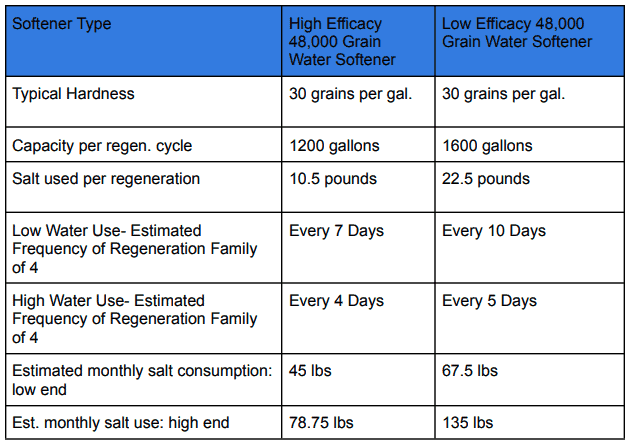 How Often to Add Salt to Your Water Softener | Team Austin
Soft water lets soap rinse off completely. That “slippery” feeling is just your actual clean skin. You’ve been walking around with a layer of hard scum your whole life and didn’t even know it.
Don’t blame the salt. Blame the decade of soap scum you’ve been missing.
Is It Safe for People on Low-Sodium Diets?
This is the million-dollar question. If your doctor told you to watch your salt, you should pay attention. But don’t panic.
For most people, the small amount of sodium in softened water is no big deal. It’s less than what’s in your tap water from a municipal supply anyway. However, if you’re on a strict low-sodium diet (like under 1,500 mg per day), you might want to think twice.
There’s a super easy fix: install a reverse osmosis system under your kitchen sink. That strips out almost all the sodium. Or just use a separate tap for drinking water. Problem solved.
The “Salt” in Your Water Is Mostly a Ghost Story
Let’s be real: the fear of salty water is mostly marketing from people who want to sell you “salt-free” conditioners. Those aren’t really softeners, by the way—they’re just fancy filters.
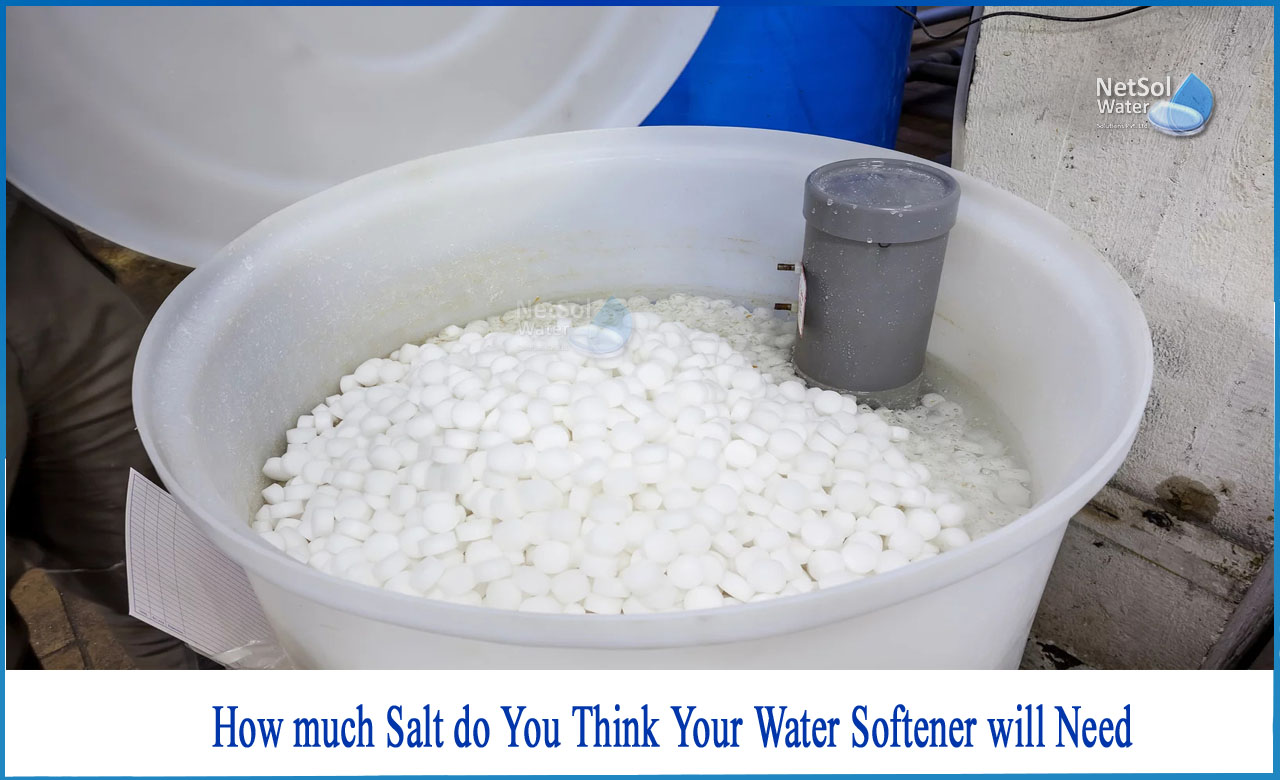 Water Softener Add Salt To Water at Wilda Talley blog
A real water softener uses salt, but it uses it efficiently. The brine goes down the drain, not into your coffee mug. Your water tastes almost exactly the same as before, just without the chalky aftertaste.
You know what has way more salt? Your morning bacon. Or that can of soup for lunch. Or the pretzel you ate while reading this.
One Last Weird Fact
The harder your water, the more salt the softener uses during regeneration. But that still doesn’t mean your water gets salty. It just means the softener works harder in the background.
Think of it like washing dishes. You use more soap for a greasy pan, but the clean plate doesn’t taste like soap. Same logic here. The salt is the tool, not the product.
So next time someone tells you they “don’t drink softened water because it’s full of salt,” you can smile knowingly. Offer them a potato chip. See which one is saltier.
Bottom line? Relax. Your water is fine. The salt is a phantom menace. Go pour yourself a glass—your tea will taste better, your hair will shine, and your kettle won’t look like a fossil bed. Cheers.
