What Is Measured In Determining Ph

Let’s talk about pH. You’ve seen it on shampoo bottles and pool test strips. But what actually gets measured when we determine it? Here’s the juicy secret: we’re counting inv...

Let’s talk about pH. You’ve seen it on shampoo bottles and pool test strips. But what actually gets measured when we determine it?
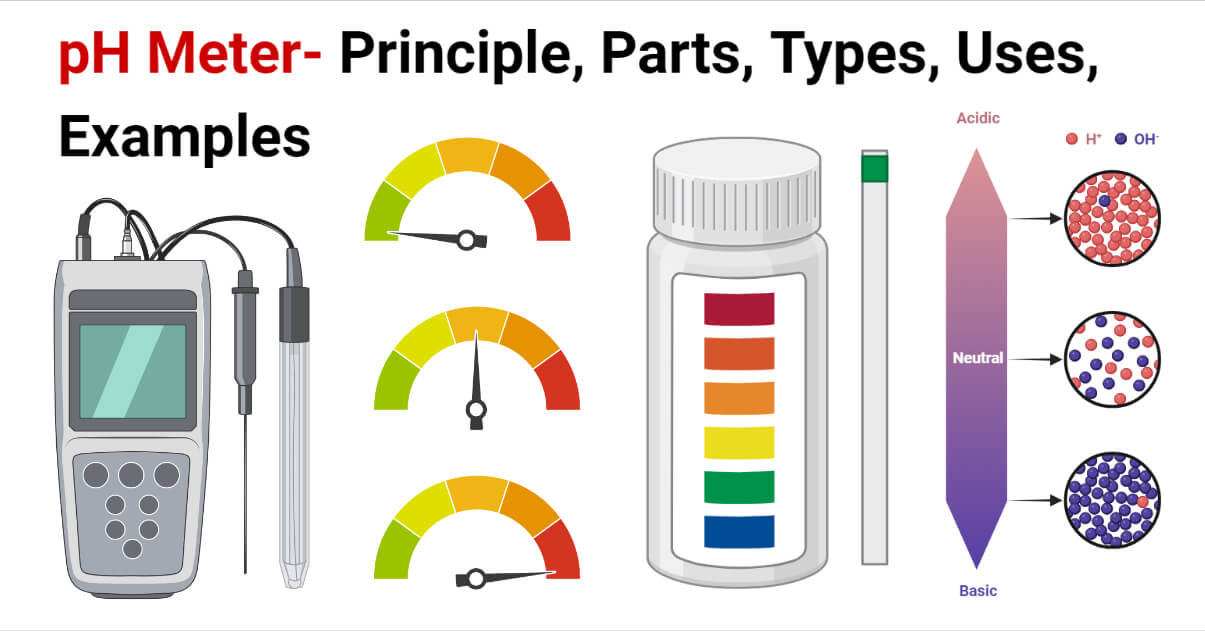
Here’s the juicy secret: we’re counting invisible little troublemakers. Specifically, we’re measuring hydrogen ions (H+). These are tiny, positively charged particles floating around in water.
Think of them as the “sour” ninjas of chemistry. More ninjas? More acid. Fewer ninjas? More basic (aka alkaline). It’s that simple—and that weird.
Must Read
It’s All About the Logarithmic Thing
Here’s where it gets absurd but fun. The pH scale goes from 0 to 14. But it’s not a straight ruler—it’s a logarithmic scale.
That means a pH of 3 is ten times more acidic than a pH of 4. A pH of 2 is one hundred times more acidic than a pH of 4. So a tiny number change is a massive ninja party.
You can thank a Danish chemist named Søren Sørensen for this system. He invented pH in 1909. Why? Because he got tired of writing “very, very acidic” in his lab notes.
So What Do We Measure Exactly?
We measure the activity of those hydrogen ions. Not just how many there are, but how “eager” they are to react. It’s like measuring the energy level of a room full of toddlers.
Technically, pH stands for “potentia hydrogenii”—Latin for “power of hydrogen.” Fancy, right? It’s the negative logarithm of the hydrogen ion concentration. Don’t let the math scare you. It’s just a clever way to turn super tiny numbers (like 0.0000001) into simple ones (like 7).
So when you test your pool water, you’re really asking: “How many tiny ninjas are swimming around in here?”
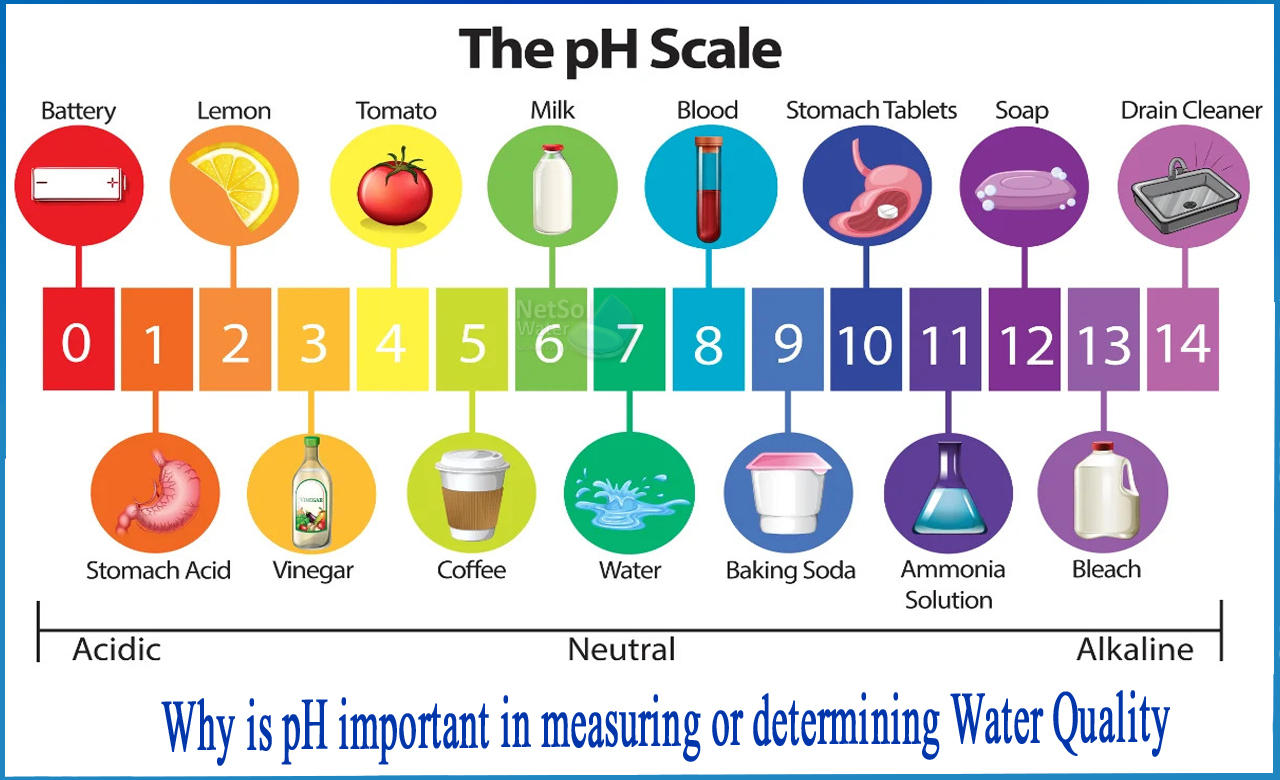 Why is pH important in measuring or determining water quality
Tools of the Trade: Pee, Paper, and Probes
How do we measure this stuff in real life? First option: litmus paper. You dip a strip in your liquid, and it changes color. Red means acid. Blue means base. It’s like a mood ring for chemistry.
Second option: a pH meter. This is a metal probe that creates a tiny electrical current. The more hydrogen ions, the stronger the current. It’s a surly robot that tells you exactly how sour your lemonade is.
Third option (and this is my favorite): red cabbage juice. Seriously, boil some red cabbage and the purple water changes color based on pH. Add lemon juice? It turns pink. Add baking soda? Green. It’s a kitchen wizard trick.
Quirky Facts That Will Blow Your Mind
Your stomach acid has a pH of about 1.5 to 3.5. That’s strong enough to dissolve a razor blade (please don’t try this). But your stomach lining is safe because it’s coated in a special mucus. Ninjas can’t get through the slime.
Battery acid is a pH of 0. Pure water is a pH of 7 (neutral). Bleach is around pH 12. That’s why you don’t drink bleach—it’s basically the opposite of battery acid, but just as mean.
Did you know your blood has to stay at a very strict pH of about 7.35 to 7.45? If it drifts even a little, you’re in big trouble. Your body works 24/7 to keep that number perfect. It’s a tyrant, but a helpful one.
 Ph Scale And Examples Acidic, Basic & Neutral Solutions: Determining
Why pH Is Fun to Talk About (Seriously)
Because it’s everywhere! Your coffee is acidic (pH 5). Your soap is basic (pH 9). The ocean is getting more acidic because of extra CO2—and that’s making it harder for shellfish to build their shells. Yes, a pH change can mess with a clam’s house.
Even your urine can tell a story. Eating a lot of protein makes it more acidic. Eating a lot of vegetables makes it more alkaline. You are literally changing the pH of your own pee with dinner—how wild is that?
And here’s a fun party trick: if you mix baking soda (basic) with vinegar (acidic), you get a foamy explosion. That’s the hydrogen ions from the vinegar meeting the bicarbonate from the baking soda. They throw a tiny chemical riot and release carbon dioxide gas. Science fair instant win.
The Final Takeaway
So what is measured in determining pH? It’s the concentration of hydrogen ions in a solution. But really, it’s a measurement of tiny, invisible chaos. It’s a way to tell if something is mean, mild, or friendly to your skin, your pool, or your planet.
Next time you see that number on a product, smile. You now know a secret: somewhere, a bunch of hydrogen ions are either throwing a sour party or taking a chill nap. And you can measure just how loud the party is.
Go test something weird. Your tap water. Your sweat. Your morning tea. Curiosity is the only pH you need.
