Does Coca Cola Help Upset Stomach

We’ve all been there. That post-meal regret, the gurgle of doom from your stomach, or the unsettling aftermath of a spicy taco. Your first instinct might be to reach for a col...

We’ve all been there. That post-meal regret, the gurgle of doom from your stomach, or the unsettling aftermath of a spicy taco. Your first instinct might be to reach for a cold can of Coca‑Cola. But is this fizzy, caramel-toned elixir actually a friend to your digestive system, or just a deliciously deceptive villain?
The short answer is: it’s complicated. For generations, people have sworn by flat Coke as a cure for nausea and indigestion. This folk remedy has roots as deep as the soda itself, passed down from grandmothers and emergency room anecdotes. But let’s separate the fizzy myths from the scientific facts before you pop that tab.
The Science of the Fizz
Your stomach is a highly acidic environment, and Coca‑Cola is highly acidic too, with a pH of around 2.5. Adding acid to an already upset stomach can sometimes make things worse, particularly if you have gastritis or ulcers. Think of it like adding a drop of fuel to a small fire—it doesn’t always put it out.
Must Read
However, the carbonation is the key player here. The bubbles can help induce a burp, which relieves gas pressure and eases that feeling of being bloated. This is why many people feel almost instant relief after a few sips of a carbonated drink, especially a sugary one.
The sugar and phosphoric acid in Coke might also play a role in a phenomenon called “osmosis.” In very specific cases, a small amount of sugar can help your intestines absorb fluids, potentially easing mild diarrhea. But this is a very fine line—too much sugar can actually pull water into your gut, making diarrhea worse.
The Coca‑Cola “Tummy Tonic” Myth
The most famous version of this remedy is using flat Coca‑Cola. The theory? The lack of fizz makes it gentler on an irritated stomach lining while keeping the sugar and sodium. This is a classic example of folk wisdom that has a little science—but not much.
Flat Coke is essentially a high-fructose corn syrup, caramel, and caffeine cocktail. The caffeine is a mild diuretic, which can dehydrate you further if you have a stomach bug. The sugar can feed bad gut bacteria if the issue is an infection. In short, it’s not a probiotic—it’s a soda.
But let’s be honest: the placebo effect is powerful. If you grew up hearing that Coke settles your stomach, your brain might just believe it worked. And in the world of mild discomfort, feeling better is often half the battle.
A Global Snapshot
Interestingly, this isn’t just an American habit. In Mexico, families often use flat Coca‑Cola for “empacho” (stomach ache). In India, it’s a common trick for upset stomachs during travel. This isn’t a mark of Coca‑Cola being a medicine—it’s a cultural shortcut for comfort.
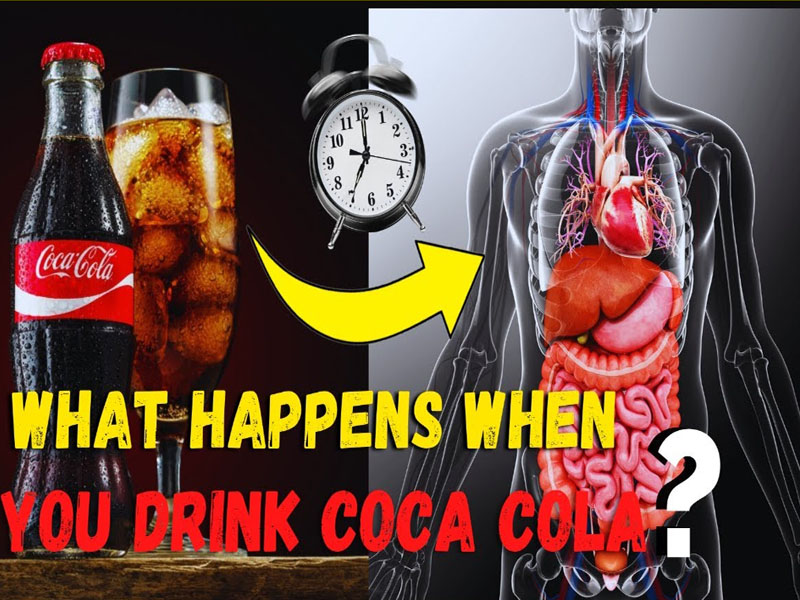 What Coca Cola Does To Your Body: Complete Guide & Key Details | TAFT
Many countries also use other sodas for this purpose, like 7-Up or Ginger Ale. The difference is that Ginger Ale often contains real ginger, which does have proven anti-nausea properties. Coca‑Cola? Not so much. It’s just the most famous and available marketing icon.
When to Say No to the Coke
If you have gastroenteritis (stomach flu) or food poisoning, do not reach for a Coke. The high sugar content can worsen diarrhea and the caffeine can irritate your system. Your body needs electrolyte solutions (like Pedialyte) or clear broth, not a soda fountain.
Similarly, if you have heartburn or GERD, the acid and carbonation will almost certainly make it worse. That burning feeling in your chest? Coke will pour gasoline on it. Stick to water or an antacid instead.
And for children? Pediatricians universally advise against it. A child’s stomach is more sensitive, and the sugar can cause a blood sugar spike followed by a crash, making them feel worse. The risk of dehydration from diarrhea is also higher with a sugary soda.
Better Alternatives for a Tummy Ache
If you want a genuinely soothing drink, try warm ginger tea with a teaspoon of honey. Ginger is a scientifically-backed anti-nausea agent. Another winner is peppermint tea, which helps relax the digestive tract and reduce cramping.
For a simple electrolyte boost, mix a pinch of salt and a teaspoon of sugar into a glass of warm water. It’s basically DIY Pedialyte without the neon colors. This provides exactly what your stomach needs without the extra chemicals.
 What Does Coca Cola Do To Your Body | Detroit Chinatown
But if you really must have a soda, go for a clear one. Sprite or 7-Up have less acid and no caffeine, making them a safer bet. Still, flat and in small sips only—like a cultural tonic, not a hydration plan.
A Fun Fact to Sip On
Did you know that Coca‑Cola was originally marketed as a “brain tonic” and cure for headaches? In the 1880s, it contained small amounts of cocaine and alcohol. The modern version is clearly different, but the myth of the “healing cola” never really left the public imagination.
Another trivia: In some parts of the world, mechanics use flat Coca‑Cola to clean battery terminals and remove rust from metal. If it can strip corrosion, imagine what it does to the delicate lining of your stomach after a night of questionable takeout.
So, does it help? Only if you are dealing with mild gas or a feeling of bloating where a burp will fix it. For anything else—diarrhea, nausea, heartburn, or infection—you’re better off with water, rest, and something that wasn’t invented in a pharmacy-like lab in Atlanta.
Reflection for Daily Life
We’ve all been lured by the idea that a beloved comfort drink can also be a medicine. It’s a charming thought—like believing your favorite jeans can also solve your life problems. But just as you wouldn’t wear denim to a job interview for a yacht captain, you shouldn’t use soda for serious digestive distress.
Maybe the real lesson here is about listening to your body, not your cravings. Our stomachs are brilliant communicators. They don’t want a caramel-colored placebo; they want hydration, rest, and gentle care. That can of Coke is a wonderful treat when you’re well, but when you’re sick, your body deserves a better friend.
Next time you feel that familiar twist in your gut, pause. Ask yourself: Do I need a nostalgic sugar rush, or do I need real healing? The answer is almost always the latter. But if you still reach for that flat Coke? No judgment. Sometimes, nostalgia is the best medicine of all.
