Why Does Tonic Water Taste So Bad

The first time I tried tonic water, I was maybe twelve, and I’d swiped a can from my dad’s stash because it looked fancy. I took a big gulp, expecting a sweet, fizzy soda—and...

The first time I tried tonic water, I was maybe twelve, and I’d swiped a can from my dad’s stash because it looked fancy. I took a big gulp, expecting a sweet, fizzy soda—and my face did that thing where it scrunches up like you just bit into a lemon dipped in dirt. Why does anyone voluntarily drink this stuff? I spat it out, convinced it was a practical joke played by soda companies.
Fast forward to adulthood, and now I’m the one buying fancy bottles of the stuff, sipping it with gin like I’m a sophisticated grown-up. But the taste still hits me sideways—that weird, bitter punch that makes your tongue curl. So let’s get real for a second: why does tonic water taste so objectively bad, yet we keep pretending it’s delicious?
The Secret Ingredient Is Basically Tree Bark
Here’s the thing: tonic water’s whole reason for existing is quinine, a bitter compound derived from the bark of the cinchona tree. Yeah, you read that right—tree bark. Quinine was originally used as a malaria treatment back in the 1800s, and British colonial officers in India mixed it with gin and sugar to make the medicine go down easier.
Must Read
So the “bad” taste isn’t a mistake—it’s the whole point. That bitterness is a feature, not a bug. And because we’re a culture that’s been conditioned to crave sweet drinks (I’m looking at you, high-fructose corn syrup), that sharp, bitter finish feels like a betrayal. Your brain goes: “This is fizzy and clear, so why isn’t it Sprite?”
The Chemistry of Your Tongue Betraying You
Your taste buds have these little receptors that detect bitterness, and they’re hyper-sensitive because, evolution-wise, bitter often meant “poison.” Quinine triggers those receptors like a fire alarm. Most people find it actively unpleasant, which is why tonic water is basically the only mainstream drink that proudly wears its bitterness on its sleeve.
But here’s the irony: some people actually learn to love the burn. It’s like how you eventually get over the shock of black coffee or IPA beer. Your palate matures, or you just get numb to the assault. Personally, I think it’s Stockholm syndrome for your taste buds.
 Does Tonic Water Go Bad?
The Sugar Trap: They’re All Lying to You
Walk down the soda aisle and grab a bottle of tonic water. Flip it over and check the sugar content. You’ll probably find 30+ grams per serving—almost as much as a Coke. Why? Because they have to dump in a mountain of sugar or high-fructose syrup just to mask the quinine’s brutality.
So you’re drinking a bitter, tree-bark-flavored soda that’s also loaded with sugar. It’s the worst of both worlds. Diet versions? They swap sugar for artificial sweeteners, which leaves you with a hollow, chemical bitterness that tastes like defeat. You can’t win.
What About the “Premium” Brands?
You’ve seen the cool glass bottles: Fever-Tree, Q Tonic, those hipster brands with botanical names. They promise a “smoother” experience with less sugar and real quinine. They’re slightly better, but let’s not kid ourselves. It’s still bitter; it’s just a more sophisticated bitter, like wearing a tweed jacket while being slapped.
I bought a bottle of Elderflower Tonic once, hoping it would taste like a spring meadow. It tasted like a spring meadow that was also a biology experiment on bitterness. My advice? Don’t chase the unicorn.
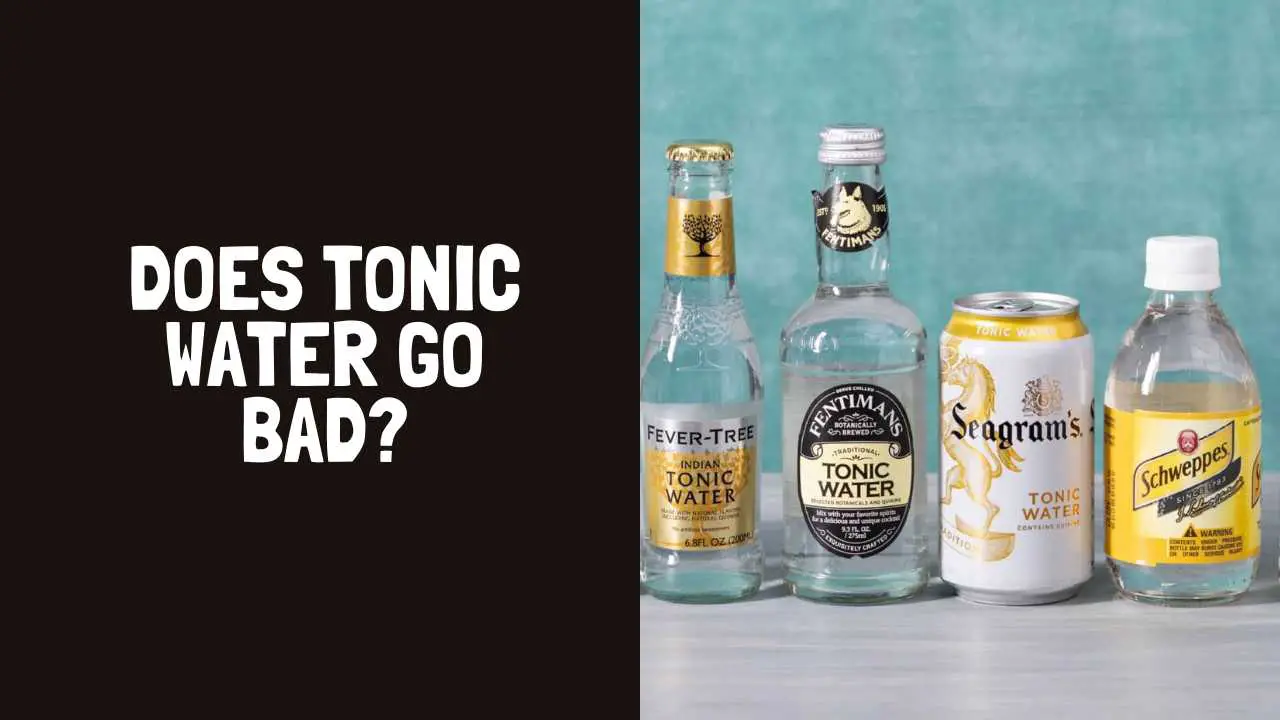 Is Tonic Water Really Bad For You at Taj Joshua blog
The Social Lie We All Agree To
Let’s admit the elephant in the room: very few people actually enjoy tonic water straight. We drink it because it’s the required passenger in the Gin & Tonic. Without the gin (which numbs your senses and adds piney juniper flavor) and a wedge of lime (which cuts the bitterness with acid), you’re just sipping on sadness.
It’s a social contract. You order a G&T, take a sip, and make a face that says, “Ah, yes, refreshingly bitter.” Meanwhile, your friend nods, pretending the same thing. We’re all in this lie together.
The Final Sip: Is It Worth It?
Honestly? If you genuinely hate tonic water, you’re not broken. You’re just not part of the tree-bark cult. Swap it for soda water and a splash of juice—your taste buds will thank you. But if you’ve acquired the taste, good for you; you’ve unlocked a secret level of bitterness-appreciation that the rest of us merely tolerate.
So next time you grimace over a tonic water, remember: it’s historically a medicine, chemically a tongue-punisher, and socially a performance. And that’s okay. Just maybe don’t sip it alone, and always have a lime nearby. Cheers—or, you know, whatever noise you make when you’re trying not to gag.
