Does Boiled Water Remove Fluoride

You’ve probably heard the kitchen-table debate: does boiling water really remove fluoride? It’s one of those questions that feels both urgent and oddly domestic, like wonderin...
You’ve probably heard the kitchen-table debate: does boiling water really remove fluoride? It’s one of those questions that feels both urgent and oddly domestic, like wondering if your houseplants can hear you talk. Let’s clear the steam from the kettle and get to the facts.
The Short, Steamy Answer
Here’s the hard truth: boiling water does not remove fluoride in any meaningful way. In fact, it actually concentrates fluoride rather than eliminating it. When water boils, pure H₂O turns to vapor and escapes, leaving minerals—including fluoride—behind in the pot.
Think of it like making a sauce: as the liquid reduces, the flavors become more intense. With fluoride, that intensity is the opposite of what you want. A study from the Journal of Environmental and Public Health found that boiling can increase fluoride concentration by up to 10% after just 15 minutes.
Must Read
So if you’re hoping to sidestep the fluoride fight with a quick boil, you’re actually doubling down. Sorry, water warriors.
Why Fluoride Is Even in Your Water in the First Place
Let’s rewind to the 1940s, when Grand Rapids, Michigan, became the first city to add fluoride to public water. The goal? Reduce tooth decay, and it worked like a charm. Today, about 73% of U.S. water systems are fluoridated, according to the CDC.
But here’s the kicker: the optimal level is around 0.7 parts per million. That’s a tiny amount—like one drop in a swimming pool. For most people, it’s harmless and even beneficial. Yet concerns about overexposure, especially from all sources (toothpaste, tea, food), keep the debate bubbling.
Cultural footnote: countries like Sweden and the Netherlands don’t fluoridate their water at all, and their teeth are just fine. So the conversation is as much about choice as it is about chemistry.
The Science: What Actually Happens When You Boil
Fluoride is a mineral ion, not a bacteria or volatile chemical. Boiling kills germs and evaporates chlorine, but fluoride stays put because it has a high boiling point—over 1,600°C. Your kettle won’t get there.
 How to Remove Fluoride from Water: 4 Effective Methods
Some home hacks suggest adding calcium (like crushed eggshells or milk) during boiling to bind with fluoride, forming calcium fluoride that can be filtered later. This is technically possible, but the chemistry is finicky and you’d need precise ratios. Plus, you’d be drinking chalky, egg-shell-flavored water. Not exactly a lifestyle upgrade.
Fun fact: the same principle applies to making tea—black tea naturally contains fluoride, so boiling it doesn’t remove that either. You’re just steeping in the original dose.
What Actually Works: Practical Tips for Fluoride Reduction
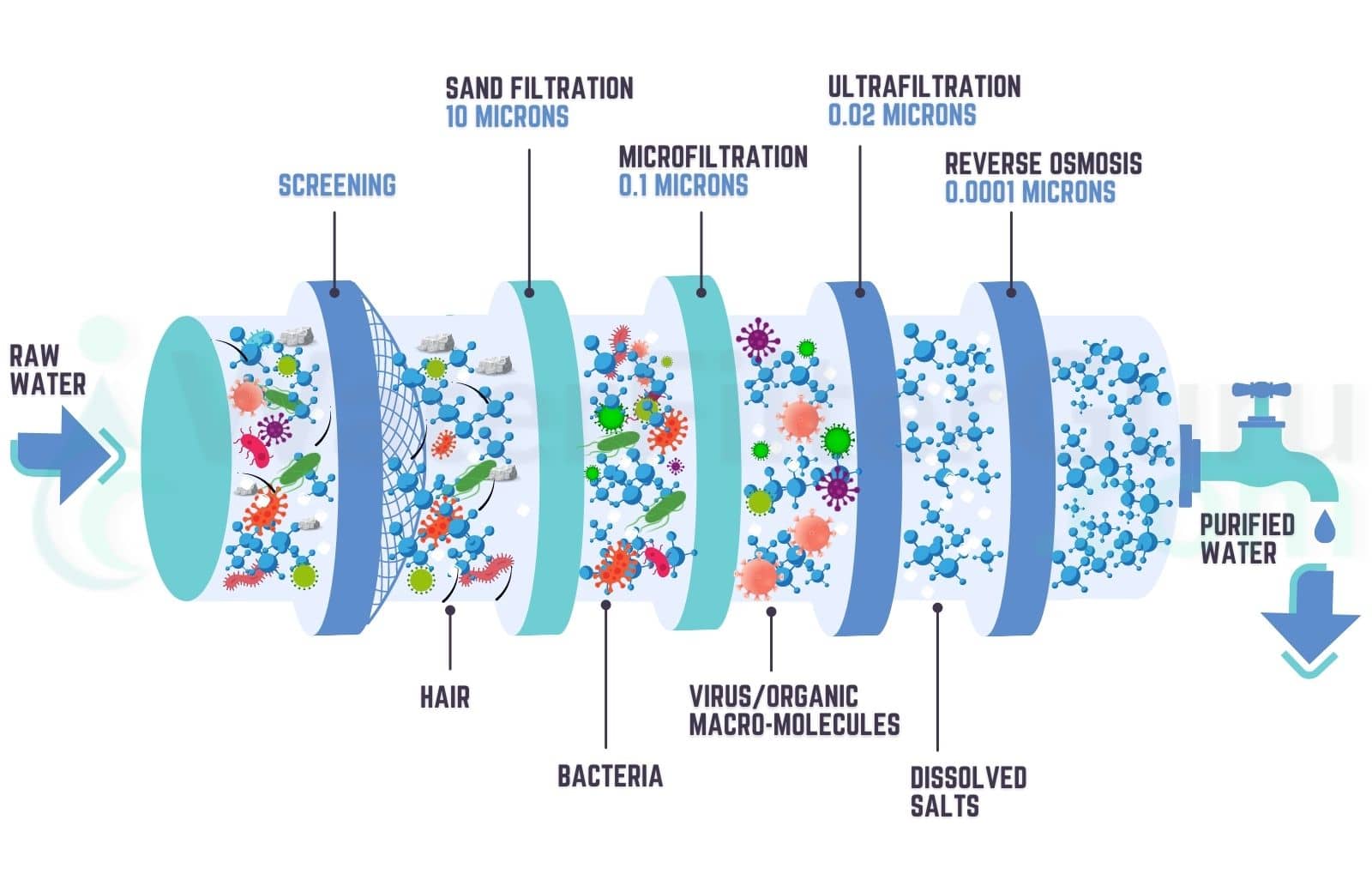
If you’re serious about lowering your fluoride intake, boiling is not your friend. Instead, consider these real solutions. Reverse osmosis filtration is the gold standard—it can remove up to 90% of fluoride. Systems start around $150 and fit under your sink.
Activated alumina filters also target fluoride specifically, for about $30 to $50. They’re easy to attach to a faucet or pitcher. Distillation works too, but it’s energy-intensive and strips water of beneficial minerals.
On a budget? Bottled water labeled “purified” or “distilled” usually has little to no fluoride. But check the label—many brands simply repurpose tap water. And please don’t boil your bottled water; you’ll just waste money and energy.
A Quick Cultural Detour: The Brita Conundrum
You know that pitcher filter everyone loves? Standard carbon filters (like Brita or Pur) do not remove fluoride. They’re great for taste and chlorine, but fluoride molecules slip right through. If your goal is fluoride removal, you need a filter that specifically says it targets fluoride.
 Fluoride Removal from Water Sources by Adsorption on MOFs
This is why the phrase “just filter your water” is such a lovely, simplistic myth. It’s like saying “just yoga your way out of a flat tire.” Sometimes you need a jack.
The Bigger Picture: Should You Even Worry?
For most people, the fluoride in tap water is a net health positive, especially for preventing cavities in kids. The American Dental Association stands by it. But if you live in an area with naturally high fluoride levels (like parts of the Southwest), or you’re pregnant and concerned, it’s worth testing your water first.
You can buy a simple fluoride test strip kit online for under $20. Test your tap, then decide if filtration is worth the investment. Knowledge is the ultimate filter.
Remember: the anxiety over fluoride is often louder than the actual risk. But if it gives you peace of mind to reduce it, there’s no shame in that. Just skip the boiling.
A Final Sip of Reflection
Standing at the stove, watching your kettle bubble, you’re participating in a very human ritual: trying to control what enters our bodies. We boil for safety, for tea, for comfort. But sometimes the simplest answers—boil it longer!—are just stories we tell ourselves.
Maybe the real fluoride reduction is the friends we made along the way? Okay, too far. But here’s the gentle takeaway: you don’t need to overcomplicate your mornings. A good filter, a calm mind, and a little research go further than a furious boil. Now go pour yourself a cup—fluoride and all—and enjoy the steam.
