Does Di Water Conduct Electricity

You know that jolt you get when you touch a doorknob after shuffling your feet on the carpet? That’s static electricity—a little surprise, but not the kind that powers your ph...
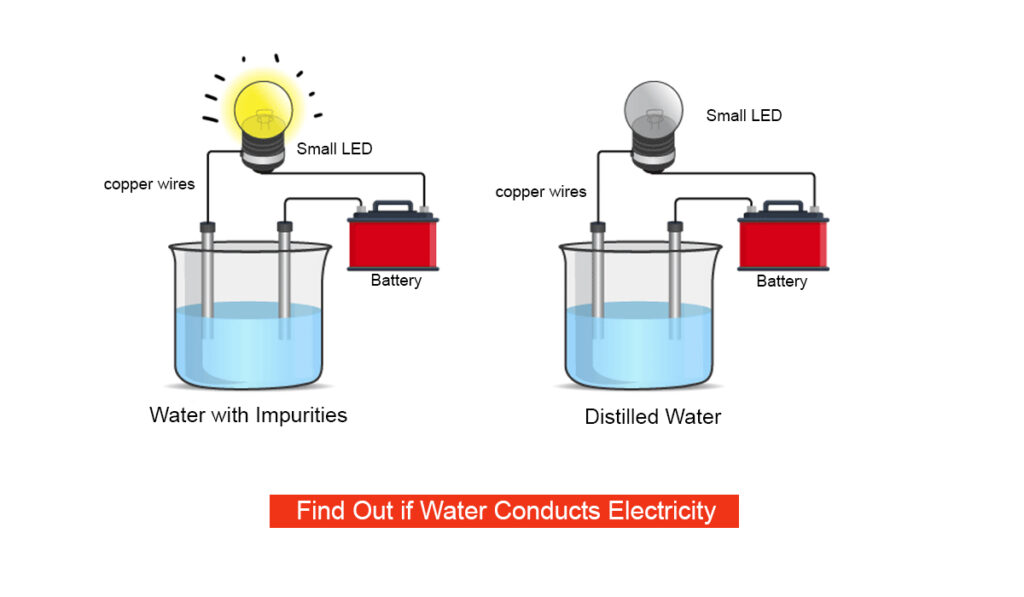
You know that jolt you get when you touch a doorknob after shuffling your feet on the carpet? That’s static electricity—a little surprise, but not the kind that powers your phone. Now, have you ever wondered if plain old water can give you a similar zap? Specifically, DI water—that ultrapure stuff labs use—does it conduct electricity? Grab a comfy seat, because the answer is hilariously less shocking than you think.
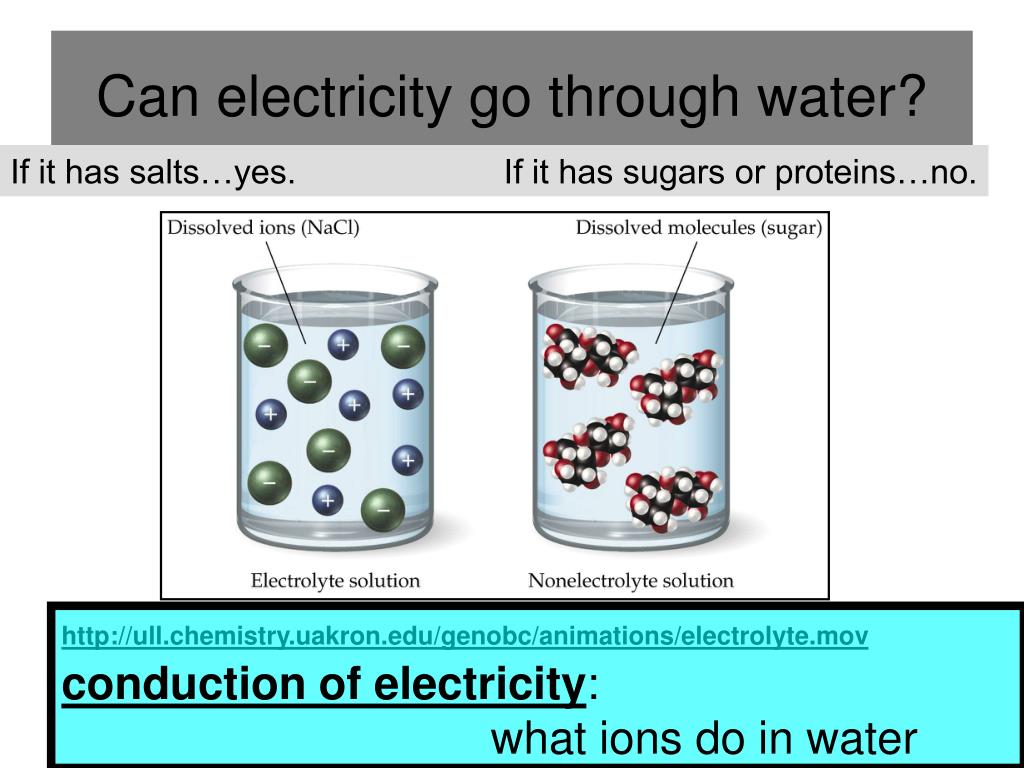
Let’s start with why water usually conducts. Tap water is like a loud party where dissolved minerals—sodium, calcium, chloride—are the chatty guests. These guests are ions, little charged particles that love to carry electrical current. When you drop two electrodes in tap water, those ions grab electrons and shuffle them around like a game of hot potato. That’s why you never want to drop a hairdryer into your bath—the water becomes a superhighway for electricity.
DI Water: The Antisocial Hermit
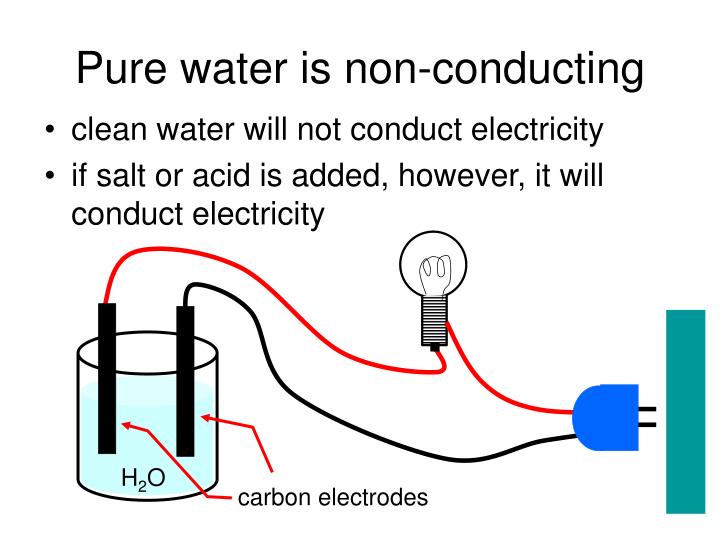
DI water, or deionized water, is basically the water equivalent of that one friend who didn’t get invited to the party. It’s been stripped of all its mineral guests—the ions are gone, kicked out by a special filter. Think of it like a room full of people who refuse to touch each other, let alone pass a current. Pure DI water is an insulator, not a conductor.
Must Read
I remember once in a chemistry lab, a buddy dared me to test this with a simple battery and a light bulb. We dunked the wires into a beaker of DI water, and you know what happened? Nothing. The bulb stayed dark, like a grumpy teenager ignoring a curfew. It felt anticlimactic, like ordering a spicy dish and getting plain rice. But that’s the whole point—without ions, there’s nothing to carry the charge.
But Wait, There’s a Catch (Isn’t There Always?)
Here’s the funny part: DI water is a hypocrite. Leave it sitting in a glass for a few hours, and it starts absorbing carbon dioxide from the air. That CO2 dissolves into carbonic acid, which creates—you guessed it—new ions. Suddenly, your pure water becomes a weak conductor, like a shy speaker who eventually warms up to the mic. So, if you test tap water versus day-old DI water, the gap shrinks faster than your patience at a slow checkout line.
 How Does Water Conduct Electricity A Science Teacher Explains: Is
In real life, you’ll almost never encounter DI water outside a lab or a fancy aquarium. But when you do, remember: it’s the introvert of the water world—quiet, pure, and utterly useless for powering anything. That’s why your electric kettle works fine with tap water but would shrug at DI water. It’s like trying to start a fire with wet matches—the potential is there, but the conditions just aren’t.
Everyday Anecdotes to Chew On
Ever notice how a salty tear leaves a tingly trail on your skin? That’s ions making a little current—same reason sweat turns gym equipment into a minor shock hazard. DI water, if you spilled it on a circuit board, would be the safest possible accident. It’s like a raincloud with no rain—looks scary, does nothing.
 How Does Water Conduct Electricity A Science Teacher Explains: Is
Now, if you’re ever at a dinner party and someone boasts, “I only drink ultra-pure water,” you can nod sagely and say, “Ah, so you avoid electrical shocks?” They’ll be confused, but you’ll know the secret: DI water doesn’t conduct electricity—unless it’s been hanging out with air, or you’ve added a pinch of salt. And let’s be real, nobody drinks the stuff without adding something.
The Takeaway (No Gooey Science)
So, does DI water conduct electricity? No, not really. It’s the laziest conductor on Earth—it just sits there, minding its own business, refusing to play along. But life’s not that simple, and a little contamination turns it into a normal, boring conductor. Next time you see a puddle, remember: that water is packed with ions from dirt, dust, and grass. It’s a chaos agent. DI water? It’s the calm, pure, and shockingly boring exception.
And hey, if you ever want to impress someone at a party, just say: “Pure water is a terrible conductor—it’s the impurities that make the magic happen.” They’ll smile, nod, and probably ask you to pass the chips. That’s science you can live with.
