How To Get Rid Of Calcium Buildup

Let’s be honest—when you think of calcium, you probably picture strong bones and a glass of milk. That’s the good stuff. But calcium also has a sneaky, less charming side: it...
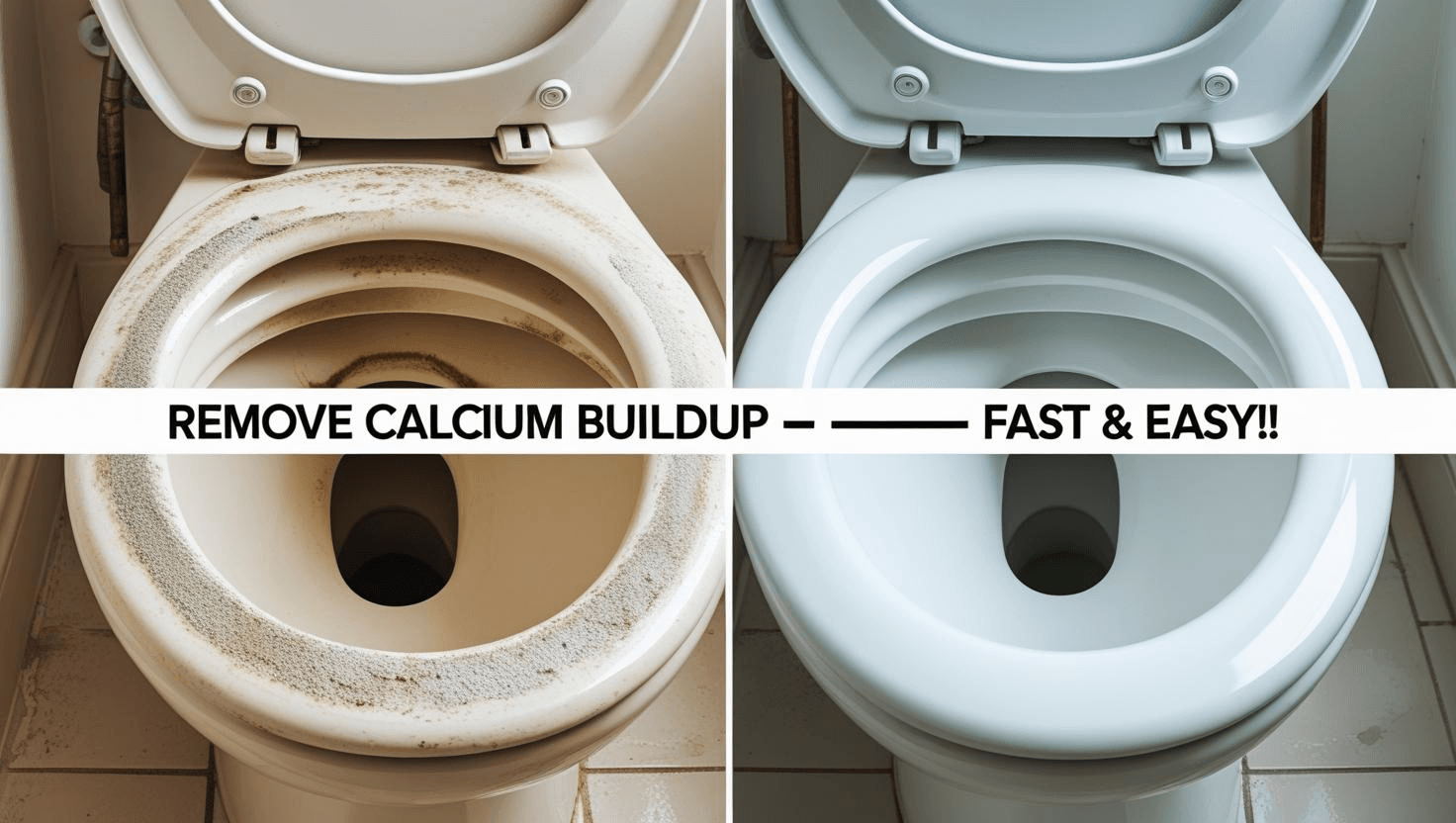
Let’s be honest—when you think of calcium, you probably picture strong bones and a glass of milk. That’s the good stuff. But calcium also has a sneaky, less charming side: it loves to build up in places you really don’t want it, like your showerhead, your coffee pot, or even your faucets. That white, crusty, chalky gunk is calcium buildup, and it’s basically the uninvited guest that overstays its welcome.
Why should you care about this dusty intruder?
Well, imagine trying to enjoy a hot shower, but the water comes out in weak, sputtering streams because your showerhead is clogged. Or picture your shiny new kettle looking like it’s covered in ancient barnacles. Calcium buildup isn’t just ugly; it actually hurts your appliances, makes them work harder, and shortens their lifespan. Plus, that chalky residue can make your coffee taste a little weird—and nobody has time for bad coffee.
The good news? You don’t need a chemistry degree or a toolbox full of fancy gadgets to fight back. Most of the best solutions are already sitting in your kitchen pantry, waiting to be your hero.
Must Read
The magic weapon: vinegar (yes, the same stuff on your fish and chips)
White vinegar is the undisputed champion of calcium removal. It’s cheap, it’s non-toxic, and it fizzes and dissolves that hard water crust like nobody’s business. For a clogged showerhead, just fill a plastic bag with equal parts white vinegar and warm water, tie it around the showerhead so it’s submerged, and let it soak overnight. By morning, you’ll have a shower that roars back to life. It’s like a spa day for your plumbing.
For your coffee maker, run a full cycle of plain white vinegar through the machine, followed by two cycles of fresh water. Your next cup of joe will taste cleaner, and your machine will thank you with years of loyal service. Just don’t use expensive balsamic—save that for your salad.
When vinegar needs a sidekick: lemon juice and baking soda
Sometimes, calcium buildup is really stubborn, like that one friend who never wants to leave the party. For faucets and sinks, cut a lemon in half, dip it in salt, and scrub the crusty spots. The citric acid in the lemon cuts through the calcium like a hot knife through butter, and the salt gives you gentle scrubbing power. Your faucet will literally shine, and your kitchen will smell amazing.
 How To Get Rid Of Calcium Deposits On Metal at Johnny Will blog
If you’re dealing with a toilet bowl ring (that annoying brownish line), sprinkle baking soda generously around the rim, then pour in some white vinegar. It will foam up like a science fair volcano. Let it sit for 15 minutes, scrub with a toilet brush, and flush. Poof— that ugly ring is history. Your bathroom will feel ten years younger.
Prevention is less work than removal (trust me)
I once ignored a tiny white spot on my kitchen faucet for three months. By then, it had turned into a full-on mineral fortress that took elbow grease and two soakings to remove. Don’t be like me. A simple habit can save you so much hassle. After you use your faucets or shower, wipe them down with a dry cloth. That’s it—one quick swipe stops the water spots from turning into crusty deposits.
If you live in an area with hard water (you’ll know because your soap doesn’t lather well, or your dishes come out spotty), consider a water softener or a simple filter for your kettle. It’s a small investment that keeps your pipes happy and your appliances running efficiently. Think of it like sunscreen for your home—prevention is always easier than cure.
What about those tough, forgotten spots?
Your dishwasher’s spray arms can get clogged with calcium too, which makes your dishes come out less clean. Once a month, remove the bottom rack and place a small bowl filled with white vinegar on the top rack. Run a hot cycle. Your dishwasher will rinse, de-scale, and smell fresh. It’s like a detox for your dishware.
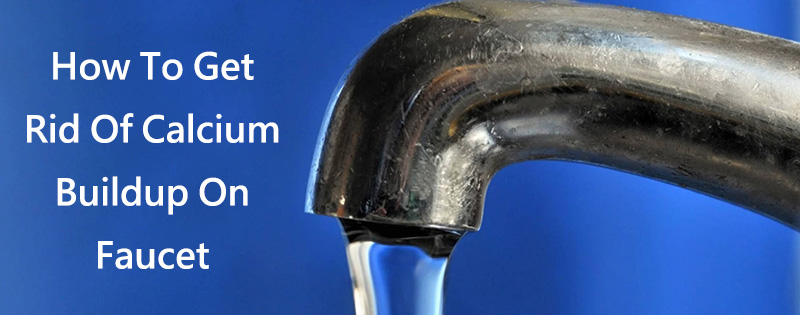 How To Get Rid Of Calcium Buildup On Faucet - Full Guide
And don’t forget your humidifier. Calcium dust can actually float into the air and settle on your furniture. A simple vinegar rinse every few weeks keeps it working quietly in the background, without turning your living room into a chalk factory.
One last tip: patience is your friend
Calcium buildup didn’t appear overnight, so don’t expect it to vanish in five seconds. Give your vinegar soaks at least a few hours, preferably overnight. If the buildup is really old and thick, you might need two or three treatments. That’s okay. Think of it as a gentle conversation with your home, not a wrestling match.
And if the smell of vinegar bothers you, open a window or light a candle. The scent fades fast, especially after you rinse. Your reward will be shiny fixtures, better-tasting water, and a shower that feels like a waterfall again.
So the next time you see that chalky white crust, don’t sigh. Smile, grab your vinegar, and show it who’s boss. Your home works hard for you; a little love goes a long way in return.
