How To Clean Reverse Osmosis Tank

You know that feeling when you buy a fancy water filter system, thinking you’ve basically signed up for mountain spring water on tap? Then, after a few months, the water start...
You know that feeling when you buy a fancy water filter system, thinking you’ve basically signed up for mountain spring water on tap? Then, after a few months, the water starts tasting a little… meh? That’s your reverse osmosis tank, quietly holding onto old water like a grumpy squirrel hoarding acorns. It’s not being malicious; it just needs a good scrub-a-dub.
Cleaning an RO tank sounds about as exciting as watching paint dry, but I promise, it’s more like giving your water a spa day. And the best part? You don’t need a hazmat suit or a degree in plumbing. You just need a little time, a few household items, and the willingness to talk to your appliances like they’re old friends.
Wait, Why Does It Even Need Cleaning?
Imagine you’re a water bubble, floating around in a dark, plastic balloon. Over time, biofilm—that slimy, invisible layer of bacteria—starts throwing a party in there. It’s not harmful, but it makes your water taste like it’s been on a week-long road trip without air conditioning.
Must Read
Your tank also holds a rubber bladder that can get stiff or grimy. Think of it as an old yoga mat that hasn’t been washed. A good cleaning wakes everything up, so your next glass of water is crisp, clean, and ready for that lemon slice.
The (Painless) Prep Work
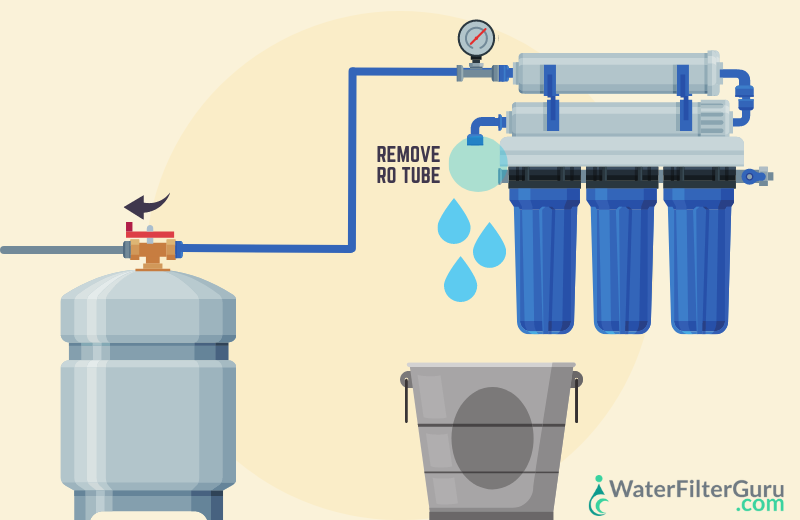
First, turn off the water supply to your system. That little valve under the sink? Give it a gentle twist. Then, open the faucet and let any remaining pressure hiss out. It’s like letting a balloon deflate—satisfying, really.
Unplug the tank by disconnecting the tubing from the top. Don’t panic if a little water spills; kitchen floors are used to it. Now, you have a naked tank that you can actually move. Weird, right?
The Cleaning Potion (It’s Just Bleach)
Here’s the secret: you don’t need fancy chemicals. A tablespoon of unscented, plain bleach mixed with a gallon of water is your magic potion. That’s it. It’s the same stuff you use to revive a sad-looking cutting board. Just make sure it’s unscented—the last thing you want is lavender-flavored water.
 How to Clean Reverse Osmosis Tank: Easy Steps for Sparkling Water
Pour the bleach solution into the tank. Then, gently tilt it around like you’re marinating a chicken. Let it sit for 15 minutes. Use that time to clean the tank’s outside with a wet cloth—it’s probably dustier than you think.
The Big Rinse (So Important)
After the bleach has done its job, drain the solution. Now, here’s the part where you must be generous: rinse the tank with clean water at least three times. Fill it, shake it, empty it. Do it again. And again. You want to erase every trace of bleach, because nobody wants their morning water to taste like a swimming pool.
This is where most people mess up. They rush. Don’t be that person. Imagine you’re making a cup of tea for a picky friend—you don’t leave soap residue. Same energy.
Reassembling Your New Best Friend
Reconnect the tubing to the tank. Turn the water supply back on, and listen for that glorious gurgle as the tank starts refilling. It’s a sound of success. Then, open the faucet and let the first tank’s worth of water run out. Toss it—it’s the sacrifice water.
The second tank of water? That’s your golden nectar. Drink it, use it for coffee, or water your plants. Just appreciate it. You earned it.
 How To Clean Reverse Osmosis (RO) Membranes | CWS
When to Do This Again
Do this whole tango every six to twelve months, or whenever the water starts whispering, “Hey, I’m getting old.” Your nose knows: if the water smells like damp basement socks, it’s time.
If you move to a new place with hard water, clean the tank on day one. Hard water is like that friend who never leaves—it stains everything. A clean tank means happy, un-stained water.
The Final, Unexpected Benefit
Once you’ve cleaned it, you’ll notice something: a quiet pride. Every time you fill a glass, you’ll smirk, knowing you outsmarted the biofilm. You took a mysterious plastic orb and made it shine. You’re not just a homeowner; you’re a water whisperer.
Plus, your ice cubes will look clearer. No more cloudy cubes that hint at ancient mineral drama. Your cocktails will thank you. Your kidneys will thank you. And the tank? It’ll just hang out, silently grateful—until next year.
So grab that bleach, put on some podcast, and give your RO tank the love it deserves. It’s not glamorous work, but neither is folding socks. And folding socks never gave you crisp, delicious water. So go on—make your water great again.
