How To Take Fluoride Out Of Water

You know that feeling when you fill up your water bottle, take a sip, and something just tastes… off? Maybe it’s a little metallic, or your favorite tea brews weirdly cloudy....

You know that feeling when you fill up your water bottle, take a sip, and something just tastes… off? Maybe it’s a little metallic, or your favorite tea brews weirdly cloudy. That could be fluoride, my friend. It’s in most tap water to help our teeth, but for some of us, it can cause tummy trouble, skin issues, or just feel like a party guest we didn’t invite.
I get it. You’re not trying to become a water chemist. You just want a clean, great-tasting glass of water without overthinking it. So let’s talk about how to kick that extra fluoride out, using tools you can actually find at your local hardware store or online, without needing a science degree.
The Simple Hero: Activated Alumina
Imagine you had a tiny magnet that only grabbed onto fluoride particles. That’s essentially what activated alumina does. It’s a white, sandy material that acts like a super-thirsty sponge for fluoride.
Must Read
You don’t have to install a whole under-sink laboratory. Look for a countertop or pitcher filter that specifically says “fluoride reduction” on the box. Brands like ZeroWater or some models from Clearly Filtered have cartridges packed with this stuff. Just pour, wait, and sip. It’s like giving your water a tiny spa treatment.
What About Those Big Pitcher Filters?
Standard Brita or Pur pitchers? Bless their hearts, they’re great for taking out chlorine and bad taste, but they are not designed to remove fluoride. It’s like using a window screen to catch sand—it works for big stuff, but the tiny particles zoom right through.
So if you’ve been relying on your old blue pitcher, you might be missing the mark. Check the label carefully; if it doesn’t say “fluoride reduction,” it’s probably not happening. Don’t worry—you’re not alone. I made that mistake for years.
The Countertop Distiller: A Little Kitchen Drama
Here’s a fun one: distillation. It sounds fancy, but it’s basically what happens when you boil water and catch the steam. The fluoride stays behind in the boiling pot because it doesn’t evaporate easily. The steam turns back into pure, silky water.
You can buy a countertop distiller that looks like a sleek coffee maker. You fill it up, press a button, and in a few hours you have a jug of water so clean it could make a mountain spring jealous. It’s slow, sure, but it’s also incredibly satisfying to watch.
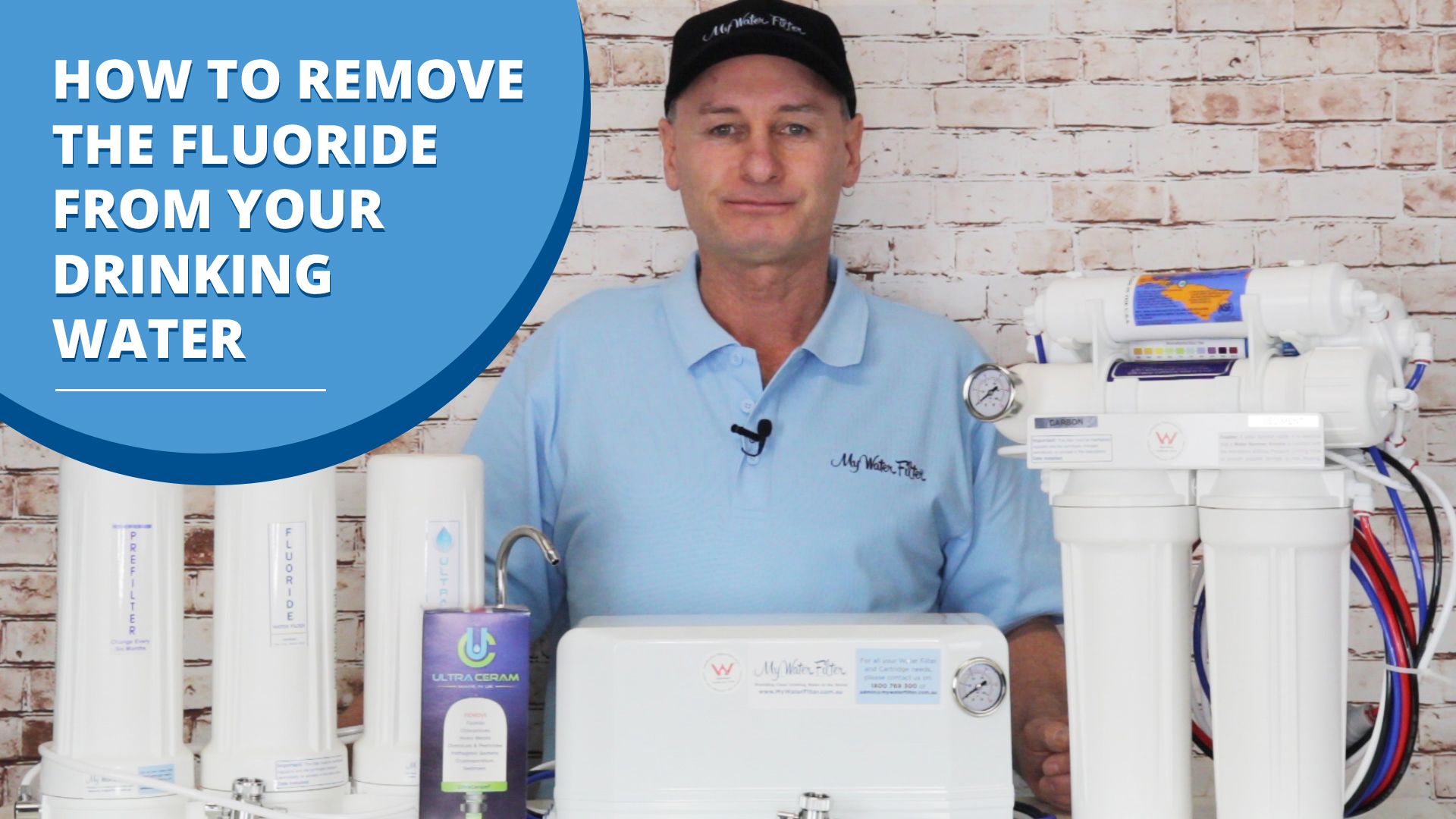 Buy Fluoride Water Filters & Filter Cartridges | My Water Filter
Warning: distilled water tastes flat at first because all the minerals are gone. Pop a pinch of sea salt or a mineral drop in there, and suddenly it’s crisp and delicious. Trust me, your morning coffee will thank you.
Reverse Osmosis: The Heavy Lifter
If you’re ready to commit to pure water like a serious relationship, meet reverse osmosis (RO). This is the system restaurants and fancy coffee shops use. It pushes water through a very tight membrane that blocks almost everything, including fluoride.
You can get a small under-sink RO unit for around $150–$200. It takes a little DIY spirit to install, but a plumber friend can do it in an hour. The upside? You get water that’s practically pristine for drinking, cooking, and even watering your picky houseplants.
The downside is that it wastes a bit of water (about 3–4 gallons for every gallon you get), so it’s not the most eco-friendly choice for everyone. But if you live in an area with high fluoride or other contaminants, it’s a total game-changer.
Don’t Fall for the "Boil It" Myth
Listen, I used to think that boiling water removed everything bad. Nope. Boiling water actually concentrates fluoride because the water evaporates but the fluoride stays behind. You’re making your problem worse, not better.
 Fluoride Removal from Water Sources by Adsorption on MOFs
So if you’re making pasta or tea, boiling is fine. But if you think a hot kettle is your fluoride solution, you’re just making a pot of sadness. Save the boiling for your ramen, and use a filter for your drinking water.
Why Bother? A Little Story About My Teapot
Let me tell you about my grandma’s teapot. She used regular tap water for years, and her tea always had a weird film on top. She thought it was just “hard water.” Turns out, fluoride and other residues were building up and messing with the flavor.
I got her a simple countertop filter with activated alumina. The first time she brewed after that, she called me, genuinely amazed. “It tastes like actual green tea!” she said. That’s the whole point—not just avoiding something, but gaining a better experience. Water should taste like water, not a chemistry experiment.
One Last Tip: Test First
Before you buy anything, spend ten bucks on a fluoride test strip or a home water test kit. Your water might have very little fluoride already, depending on where you live. It’s like checking the weather before you buy a coat—don’t buy a winter parka in July.
If your test shows fluoride levels above 0.7 ppm (parts per million) and you want to reduce it, then choose your tool: activated alumina for easy going, distillation for purity with a bit of effort, or reverse osmosis for the serious water snob. You’ve got options, and none of them requires a lab coat.
So go ahead. Take control of your glass. Your taste buds—and maybe your tummy—will buy you a thank-you coffee. Cheers to that.
