Does Soft Water Help With Eczema

So, you’ve got eczema. You know the drill: itchy, angry, flaky patches that show up at the worst possible times—like right before a first date or a job interview. You’ve tried...
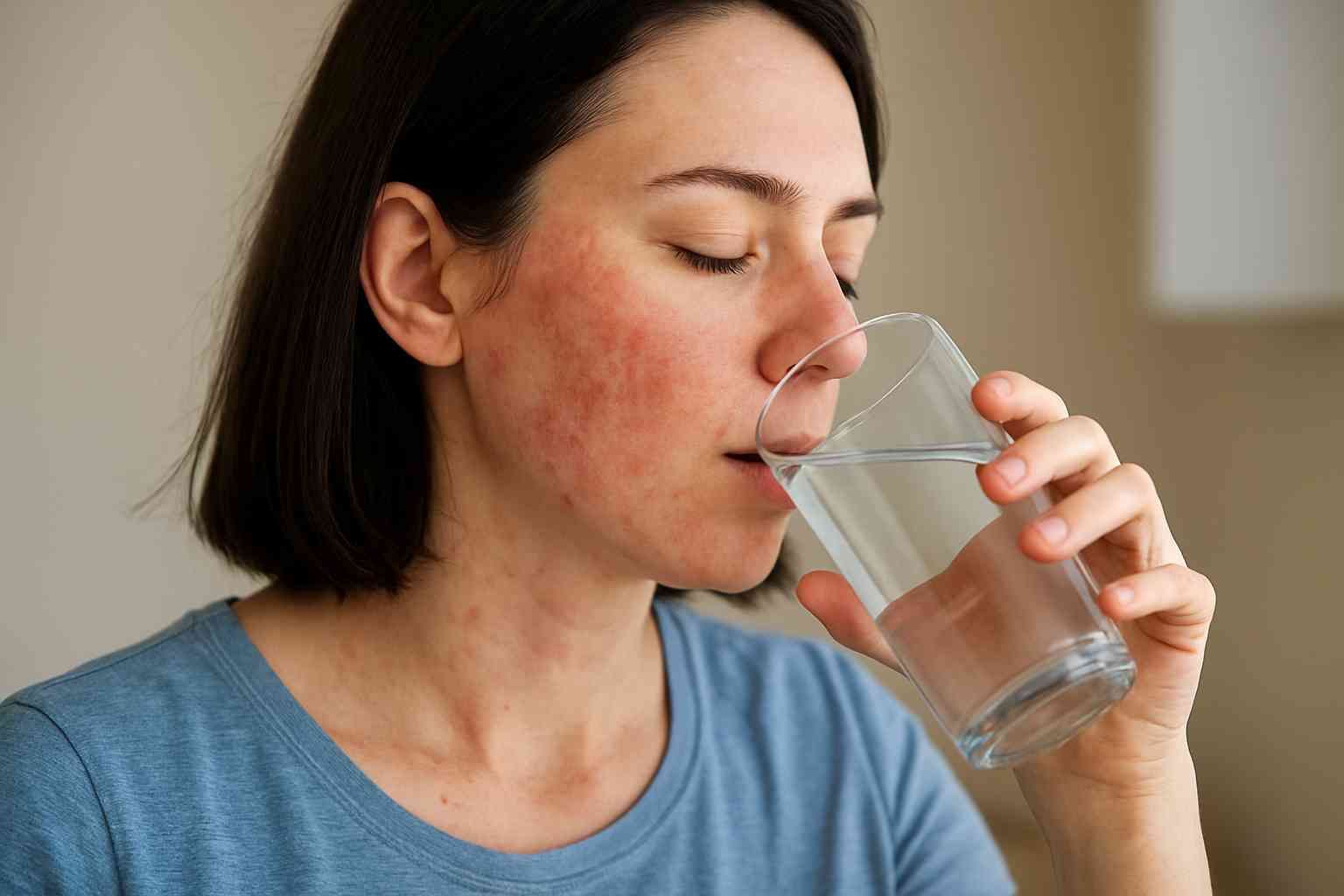
So, you’ve got eczema. You know the drill: itchy, angry, flaky patches that show up at the worst possible times—like right before a first date or a job interview. You’ve tried every lotion, potion, and “miracle cream” your aunt swears by. Now someone mentions soft water. And you’re thinking: Wait, is my tap water secretly plotting against my skin?
Let’s chat about that over this imaginary coffee. Because I’ve been there, scratching my way through humid summer nights, wondering if I should just move to a desert island. Spoiler: soft water might help, but it’s not a magic wand—more like a slightly less-annoying friend.
First, What’s the Deal with Hard Water?
Picture hard water as that overbearing guest who overstays their welcome. It’s packed with minerals—calcium and magnesium, mostly—that refuse to rinse off your skin. Eczema hates this. Those minerals cling to your skin, stripping away its natural oils and leaving it dry, tight, and ready to flare.
Must Read
Think of it like this: you wash your hands, and instead of feeling clean, you feel like a chalkboard. Not a vibe. And for eczema-prone skin, it’s a direct invitation to itch city.
Enter Soft Water. It’s Like a Chill Pill for Your Shower.
Soft water is hard water’s laid-back cousin. It’s been zapped of those clingy minerals (thanks, water softener), so it doesn’t leave that filmy, drying residue. Your soap actually lathers up like it’s supposed to. And rinsing off? It feels smoother, like the water is actually washing with you, not against you.
This matters for eczema because the less irritation you have during a wash, the less likely your skin is to freak out. It’s like removing one more enemy from your skin’s hit list. And let’s be real—your skin’s hit list is already long enough.
But Does It Actually Stop the Itch?
Here’s where I gotta be real with you—like a friend who tells you that sweater does make you look a little like a carpet. Soft water isn’t a cure. It won’t make your eczema vanish overnight. Sorry. But it can reduce the number of flares, especially if you’re sensitive to hard water minerals. Some studies even show that eczema symptoms improve when families switch to softened water, especially for kids.
 Could Soft Water Actually Prevent Eczema? | Kinetico
But—and this is a big, dramatic “but”—the evidence isn’t unanimous. Some people notice zero difference. It’s like trying a new skincare trend: sometimes your skin loves it, and sometimes it throws a tantrum just to keep you humble.
The Sneaky Benefits Nobody Talks About
Okay, so you might not wake up with perfectly silky skin. But soft water does other stuff that indirectly helps. For one, you’ll use less soap and shampoo—because it lathers like a dream. Less product means less stripping of your natural oils. That’s a win for any eczema warrior.
Also, soft water means no white scale buildup on your faucets or showerhead. And sure, that’s not a direct skin thing, but it means you won’t have to scrub your bathroom as often. More time for napping or applying lotion. I’ll take it.
But Wait—There’s a Catch (Isn’t There Always?)
Soft water can feel a bit… slippery. Some people describe it as “soapy” even after rinsing. Don’t freak out—that’s normal. You’re just not used to water that isn’t fighting you. But for some eczema peeps, that slippery feeling can make them feel like they didn’t rinse enough, leading to over-washing. Oops.
Also, if you have very broken, raw skin, the sudden change to soft water can sting a little at first. Because of course it can. Skin is a drama queen. But it usually calms down within a week or two.
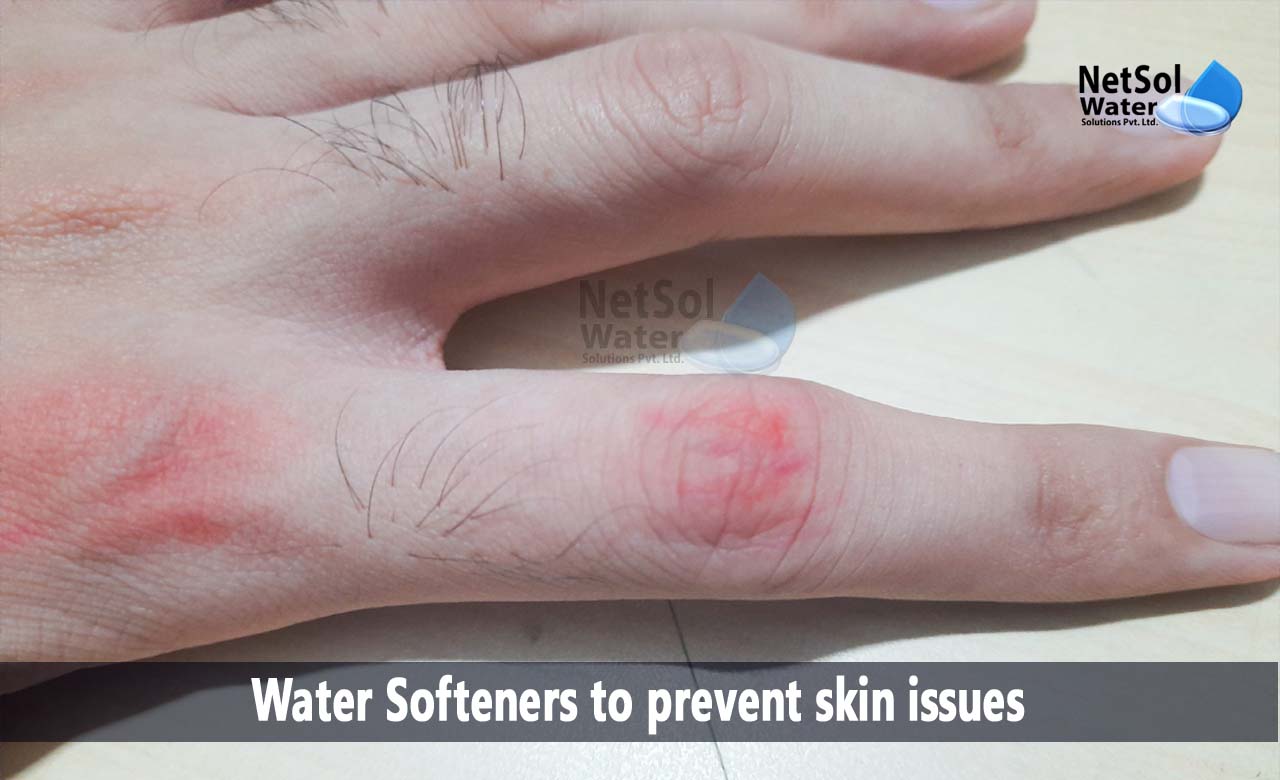 Is Hard Or Soft Water Better For Eczema at Robert Lindsay blog
Should You Buy a Water Softener for Your Whole House?
That’s like asking if you should buy a pizza oven for your kitchen. It’s a commitment. Water softeners aren’t cheap—think several hundred to a couple thousand bucks. They also need salt refills and maintenance. And if you rent? Yeah, good luck convincing your landlord. But some folks swear it changed their lives.
If you’re not ready to drop that cash, try a shower filter first. They’re like a little bouncer for your shower head, blocking some hard water minerals. Way cheaper. And if you notice a big difference? Then you can start dreaming of the whole-house setup.
The Verdict (Spoiler: It’s Complicated)
Does soft water help with eczema? For many, yes. For some, no. It’s like asking if coffee helps you wake up—it depends on the person, the day, and how much you’ve already cried over your skin. But it’s absolutely worth a try, especially if you live in an area with rock-hard water and your skin feels like sandpaper after every shower.
My advice? Dip your toes in—literally. Get a shower filter. See if your skin throws a party or a tantrum. And if it throws a party? Congrats, you might have just found your new best bathroom buddy.
And hey, if soft water doesn’t work? No biggie. You can still blame the weather, your stress, or that one guy on the subway who was definitely carrying pet dander. We eczema folks have many things to blame. Soft water just wants a chance to help.
