Does Reverse Osmosis Really Work

So, you’ve probably heard the term “reverse osmosis” thrown around, maybe while shopping for a water filter or watching a wild science show. But does it really work, or is it...
So, you’ve probably heard the term “reverse osmosis” thrown around, maybe while shopping for a water filter or watching a wild science show. But does it really work, or is it just another fancy gadget promising magic in a bottle? Let’s chill out, pour a glass of tap water, and dig into the truth.
What even is reverse osmosis?
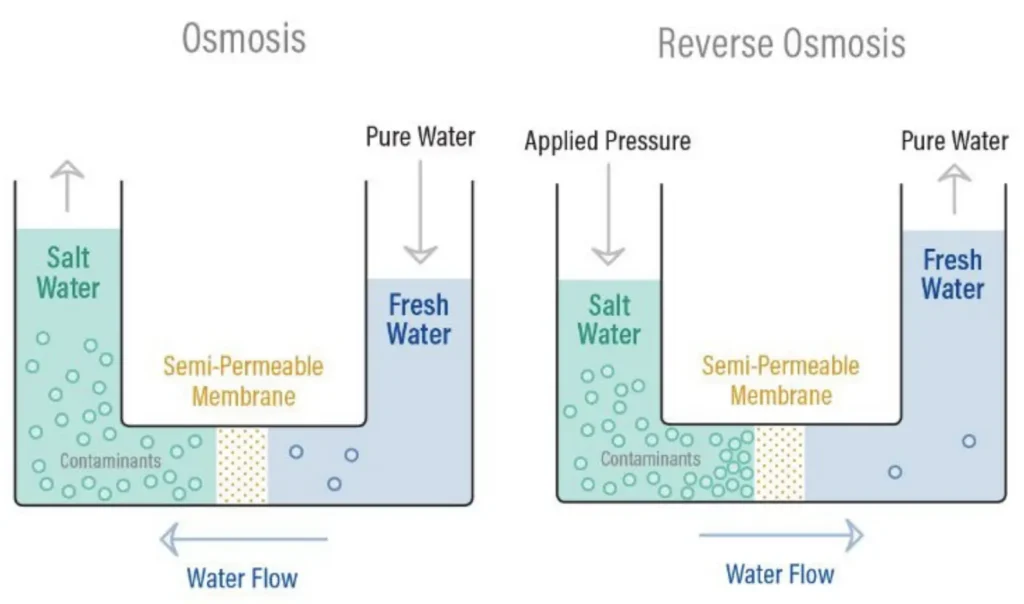
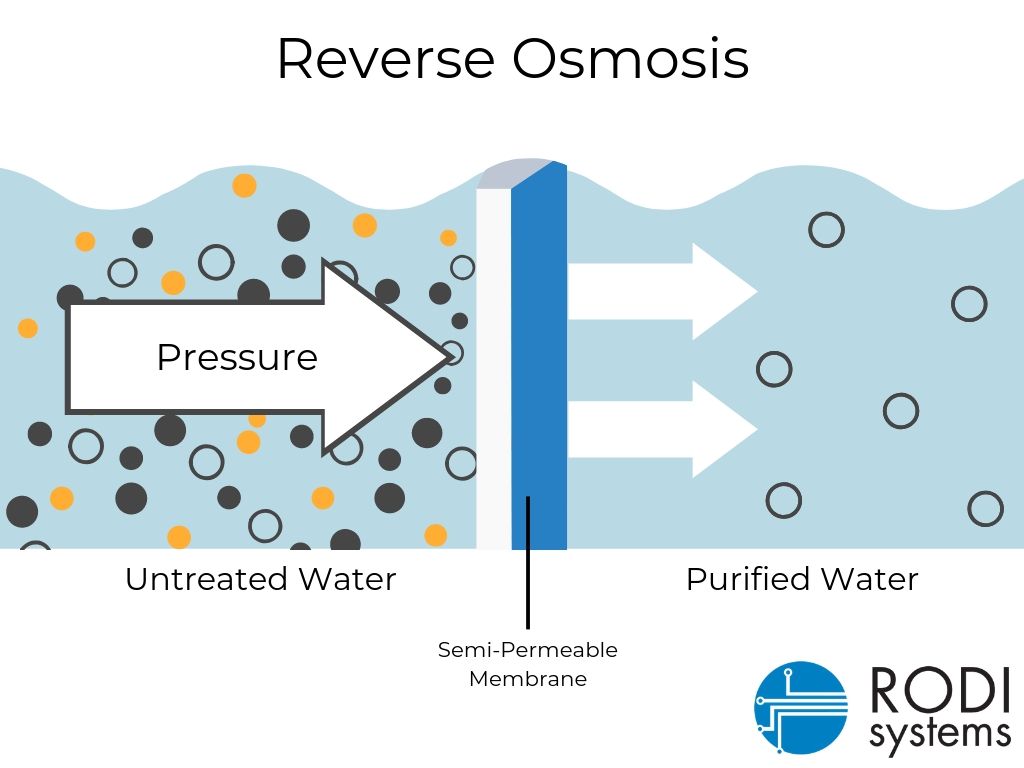
Imagine you have a super picky bouncer at a club, standing in front of a door. Only the tiniest, most innocent molecules—like pure H₂O—get to slide through, while everything else gets the boot. That’s reverse osmosis in a nutshell: it pushes water through a special membrane that acts like that bouncer, blocking almost everything else.
We’re talking about blocking salt, bacteria, viruses, heavy metals, and even some pesticides. Pretty cool, right? But here’s the kicker: it doesn’t just filter water—it pushes it through with pressure, which is why it’s “reverse” (normal osmosis would let the water move the other way).
Must Read
So, does it actually work? Like, for real?
Short answer: Yes, very effectively. But let’s not get brainwashed by marketing hype. Reverse osmosis systems can remove up to 99% of total dissolved solids (TDS)—think of TDS as the “gunk” in your water, from calcium to lead to microplastics.
Ever seen that cloudy residue on your glass after it dries? That’s minerals. Reverse osmosis wipes that away almost completely. But here’s the honest truth: it’s not perfect for everything. Some volatile organic chemicals (like chlorine) can sneak past, which is why many systems add a carbon filter before or after the membrane.
The “aha” moments that make it worth it
If you’ve ever tasted water from a reverse osmosis system, you’ll notice it’s flat—like someone stole the water’s personality. That’s because it strips out both the bad stuff and the good stuff (like calcium and magnesium). Some people love that blank-slate taste; others say it’s like drinking a cloud.
But here’s a fun comparison: think of reverse osmosis like a detox cleanse for your tap. You wouldn’t drink juice that’s teeming with dirt and germs, right? So why would you want water that’s full of unknowns? The system basically resets your water to a near-pure state.
 What Is Reverse Osmosis And How Does It Work What Is Reverse Osmosis
The “but wait” factor
Before you rush to buy one, there’s one big trade-off: wastewater. For every gallon of clean water you get, reverse osmosis flushes out about 3-4 gallons of concentrated “brine.” That’s like making a smoothie and throwing away half the fruit— inefficient but effective.
Also, these systems need some love: membrane replacements every 2-3 years, and filters changed more often. But honestly, for folks with well water or old pipes, it’s a game-changer. Imagine getting rid of that weird metallic taste or rusty color—that’s the real magic.
How does it compare to other filters?
Let’s compare it to a Brita pitcher. A Brita uses activated carbon—great for taste and chlorine, but useless against fluoride, nitrates, or arsenic. Reverse osmosis is the heavyweight champion of home filtration, handling stuff carbon can’t touch.
Then there’s distilled water—boiled and condensed. That’s also pure, but it takes forever and uses tons of energy. Reverse osmosis is faster and more practical for daily use. It’s like choosing a microwave over a campfire—both work, but one is way more convenient.
 Why Reverse Osmosis is the Better Choice for Clean Water – Go Lime
The “is it overkill?” question
If you live in a city with decent tap water, reverse osmosis might be like using a sledgehammer to crack a nut. But if you’re on a private well, or your water smells like a swimming pool, it’s basically a lifesaver. The coolest part? You can actually see the difference: fill a glass with RO water and watch for zero sediment.
And here’s a rhetorical question for you: would you rather drink water that’s probably clean, or water that’s confirmed clean by science? That’s the appeal—peace of mind in every sip.
The final verdict
Does reverse osmosis really work? Yes, without a doubt—for removing the worst offenders in water. It’s not a miracle cure for every health worry, but it’s one of the most reliable methods we have for making water safe, tasteless, and predictable.
If you’re curious, grab a test kit and check your water’s TDS. Then taste a glass of RO water. It’s like stepping into a world where water is just water—no surprises, no fuss. And honestly, that’s kind of cool. Just remember: it’s a tool, not a magic wand. But hey, if that tool gives you cleaner water and fewer worries, isn’t that worth a look?
