Does All Water Have Electrolytes

So, you’re standing in the grocery store aisle, staring at a fancy bottle of electrolyte water that costs more than your lunch. And you’re wondering: does all water have elect...

So, you’re standing in the grocery store aisle, staring at a fancy bottle of electrolyte water that costs more than your lunch. And you’re wondering: does all water have electrolytes? The short answer is a refreshing “yes—but also a sneaky “it depends.” Let’s dive in, shall we?
First, let’s get our science hats on—just for a second, I promise. Electrolytes are simply minerals that carry an electric charge, like sodium, potassium, and magnesium. They’re the little spark plugs that keep your nerves firing and your muscles twitching.
Water is a brilliant solvent, meaning it loves to pick up stray minerals wherever it goes. So, almost every drop of water you encounter has some electrolytes hanging out in it, like uninvited party guests.
Must Read
Tap Water: The Everyday Hero
Your kitchen faucet? That’s a solid source of electrolytes. Most municipal tap water contains small amounts of calcium, sodium, and magnesium—enough to keep your body humming along without any fancy bottles.
Is it a lot? Not really. Think of it as the baseline—like the standard level of caffeine in a cup of black coffee. It works, but it won’t win any competitions.
If you’re just chilling on the couch binge-watching your favorite show, tap water is totally fine. You don’t need a sports drink for that level of exertion—unless you’re sweating from laughing too hard at memes.
Purified and Distilled Water: The Rebels
Now, here’s where it gets tricky. Purified water—like the stuff from those home filters or distillation machines—has been stripped of most of its minerals. It’s like giving your water a spa treatment, but then accidentally tossing out the good stuff.
Distilled water is the extreme version: it’s almost pure H2O, with virtually no electrolytes. It’s so clean it’s practically a blank slate.
Drinking distilled water for a day won’t hurt you, but relying on it long-term? Not the best idea. Your body will start whispering, “Hey, where’s my sodium?” and you might feel a little flat.
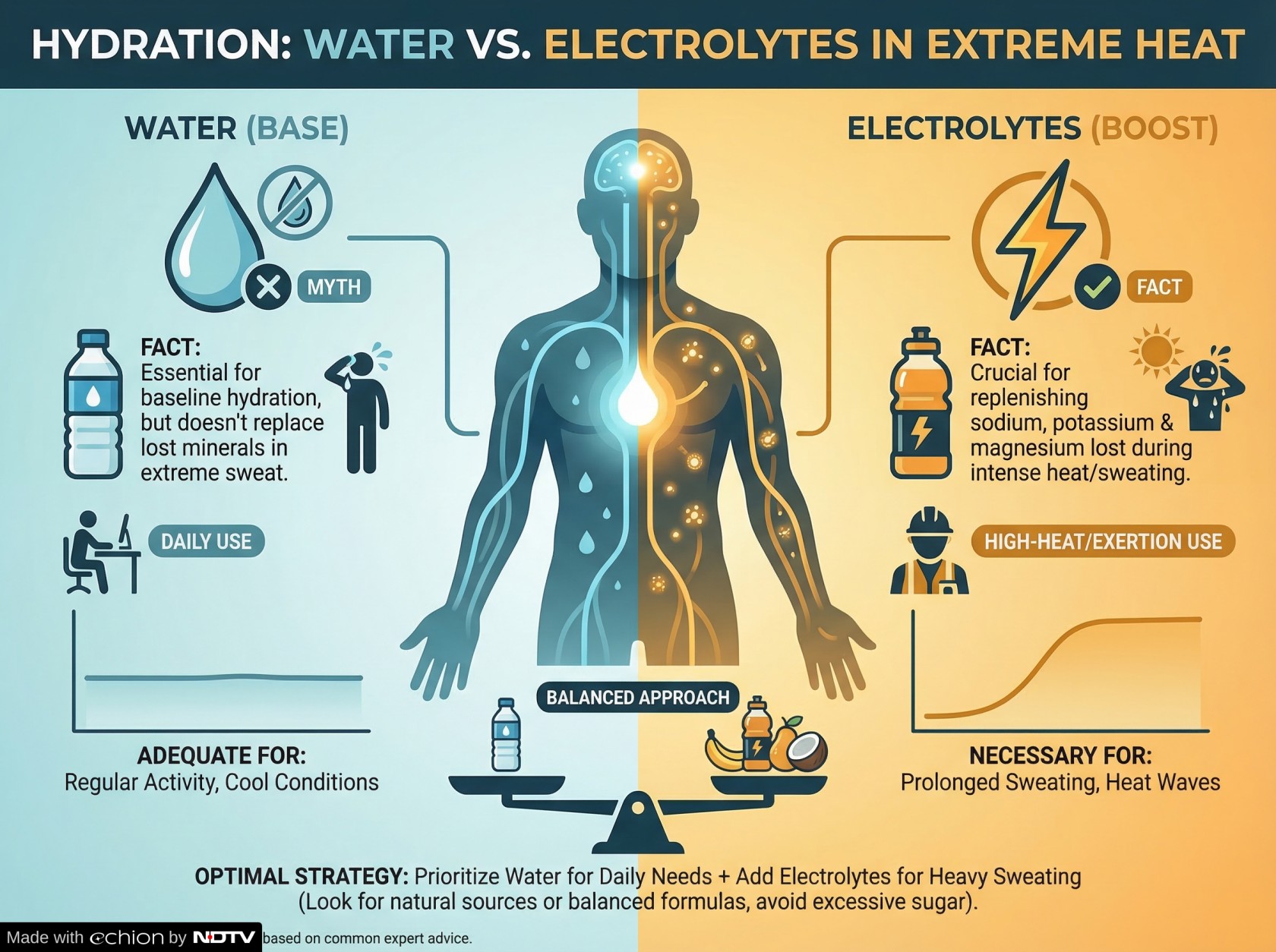 Hydration Myths vs Facts: Are Electrolytes Better Than Water In Extreme
Spring and Mineral Water: The VIP Lounge
Spring water, on the other hand, is nature’s little gift. It flows through rocks and picks up a healthy dose of electrolytes along the way, like a tourist grabbing souvenirs.
Mineral water is the rock star of the bunch. It’s bottled at the source and contains a respectable amount of calcium, magnesium, and potassium. Some brands even have a tiny bit of that salty flavor—you know, the one that makes you feel deeply sophisticated.
If you’re feeling fancy, grab a bottle of mineral water. Your taste buds will thank you, and your muscles might high-five you after a workout.
Rainwater: The Wild Card
Rainwater is technically distilled by nature—evaporation leaves the minerals behind. So, fresh rainwater has almost zero electrolytes. It’s like water that just graduated with a degree in purity.
But wait! Once rainwater hits the ground, it immediately starts picking up minerals from soil and rocks. So, the puddle you just splashed through? It’s now an electrolyte cocktail.
Unless you’re a frog, you probably shouldn’t drink it. But it’s a fun fact to drop at parties: “Did you know rainwater is the original distilled water?” Watch everyone pretend to be amazed.
So, Does All Water Really Have Electrolytes?
Almost all natural water sources contain some electrolytes, because water is a mineral magnet. The exception? Artificially purified or distilled water, which has been deliberately stripped clean.
 The Complete Guide to Electrolytes: Functions, Imbalance, Natural
The amount varies wildly. Tap water has a little, spring water has a nice amount, and sports drinks have a whole lot—plus a ton of sugar to make you feel like you’re earning it.
If you’re sweating buckets after a run, you might want something with more electrolytes. But for your average, “I forgot my water bottle” Tuesday? Tap water is perfectly fine.
Do You Need to Worry?
Honestly, most people get plenty of electrolytes from food. A banana has potassium, a pinch of salt has sodium, and your morning cereal has magnesium. Water is just the delivery system.
Unless you’re an ultra-marathoner, a spicy food enthusiast, or a llama in the desert, you’re probably not going to suffer from electrolyte deficiency. Your body is a brilliant machine—it knows what to do.
So, next time someone tries to sell you a $4 bottle of “electrolyte-enhanced” water, you can smile knowingly. You’ve got options. And your tap water is a perfectly qualified understudy.
Uplifting Conclusion (with a wink)
Water, in all its forms, is a miracle. Whether it’s a humble glass from your sink, a bubbly sip of mineral water, or even a raindrop on your tongue, it’s carrying the minerals that keep your heart beating and your legs dancing. You don’t need a fancy label to be hydrated—you just need a little curiosity and a glass that’s half full (or fully hilarious).
So, go ahead, take a sip. You’re already full of electric energy, and you’re doing great. Stay hydrated, stay sparkly, and remember: even the plainest water has a hidden current of life running through it. Cheers to you, you magnificent, electrolyte-powered human!
