How To Turn Hot Water Supply Off

So there I was, last Tuesday, clutching a mug of instant coffee and staring at a geyser that was making a noise like a dying air conditioner. Steam was actually whistling from...
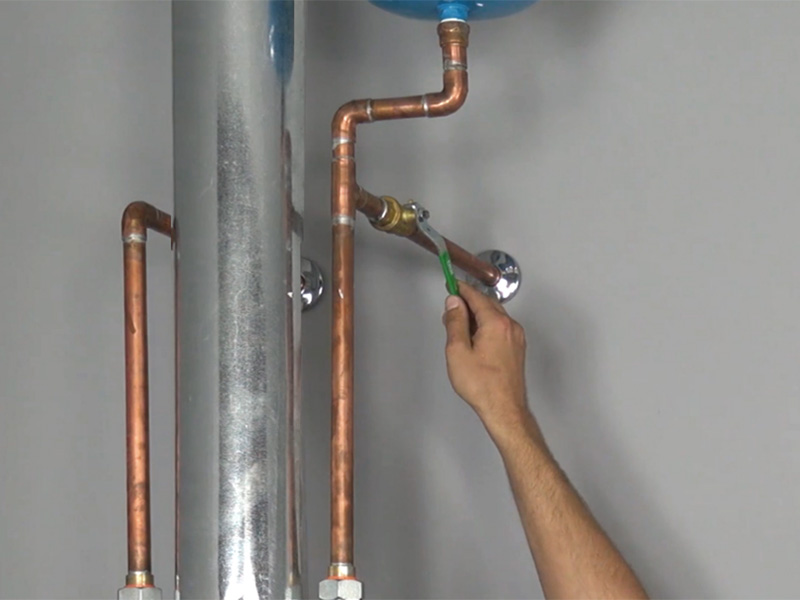
So there I was, last Tuesday, clutching a mug of instant coffee and staring at a geyser that was making a noise like a dying air conditioner. Steam was actually whistling from the overflow pipe. My brain, still half-asleep, offered two options: call a plumber and wait three days, or become a plumbing hero. I chose hero. Obviously. And the first step, my friend, was figuring out how to turn the hot water supply off without flooding the entire neighborhood.
You really don’t want to learn this trick when a pipe has already burst and you’re standing in a puddle that’s getting deeper by the second. Trust me on that one. That’s the kind of stress where you start googling “how to stop a waterfall” while wearing your good slippers. So let’s save you that soggy panic attack right now.
The Main Event: The Shut-Off Valve
Your home has a specific valve that controls only the hot water. It’s not the main water shut-off for the whole house—thank goodness, because that would turn off your toilets and your shower at the same time. That would be a disaster. The hot water valve is usually a small, silver or red-handled knob located right on the water heater itself.
Must Read
Look at the top of your tank (if it’s a traditional tank-style heater). You’ll see a pipe coming out of the top that goes up into your walls. That’s the hot water outlet. Right where that pipe meets the heater, there should be a valve—often a lever or a round wheel. That’s your golden ticket.
If you have a tankless system (the fancy box on the wall), the valve is usually a blue or red lever on the pipe that supplies water into the unit. Yeah, it’s not always color-coded perfectly. Sometimes it’s just a brass knob that looks suspiciously similar to a garden hose attachment. Don’t be shy—crouch down and look for it.
How To Actually Shut It Off (No Force Needed)
Once you’ve found the valve, turn it clockwise—righty-tighty. That’s the universal rule for closing valves, unless you’re in some sort of parallel universe where plumbing works backwards. If it’s a lever-style valve, just rotate it 90 degrees so it’s perpendicular to the pipe. That’s the “off” position. You’ll know you did it right when the water stops flowing out of your tap.
But here’s a little secret: test it first. Go to your nearest kitchen sink and turn on the hot water tap. Run it for a few seconds. If the water keeps coming out, you either didn’t close the valve all the way, or—plot twist—you shut off the cold water supply to the heater. That’s a common mistake. The cold water valve is usually on the bottom or side of the tank.
 How to turn off your water heater - step by steps instructions - YouTube
Don’t worry, it’s not the end of the world. Just turn that valve back open, and search for the one that’s actually on the hot water outlet pipe (the one that feels warm when it’s running). Been there, turned the wrong knob, flooded a utility closet. You’re not alone.
The Sneaky Trap: The Gas or Electric Cut-Off
Okay, so you’ve shut off the water supply. Great. Now, don’t run away yet. If you’re planning on doing any real work on the heater itself—like draining it or replacing a element—you also need to turn off the power or the gas. Please. I’m not here to be dramatic, but electric water heaters with the power on are basically death traps if you start poking around inside.
For electric heaters, find the dedicated circuit breaker in your electrical panel and flip it to “Off.” Label it. Take a photo. Double-check that the heater is stone-cold before you touch anything. For gas heaters, look for the knob on the gas valve that says “Pilot,” “On,” and “Off.” Turn it to “Off.” Wait five minutes for the gas to clear—don’t light a match, for crying out loud.
And yes, it’s annoying to have to relight the pilot later. But it’s way less annoying than having your eyebrows singed off. Fashion tip: eyebrows are seasonal, but you probably want to keep yours.
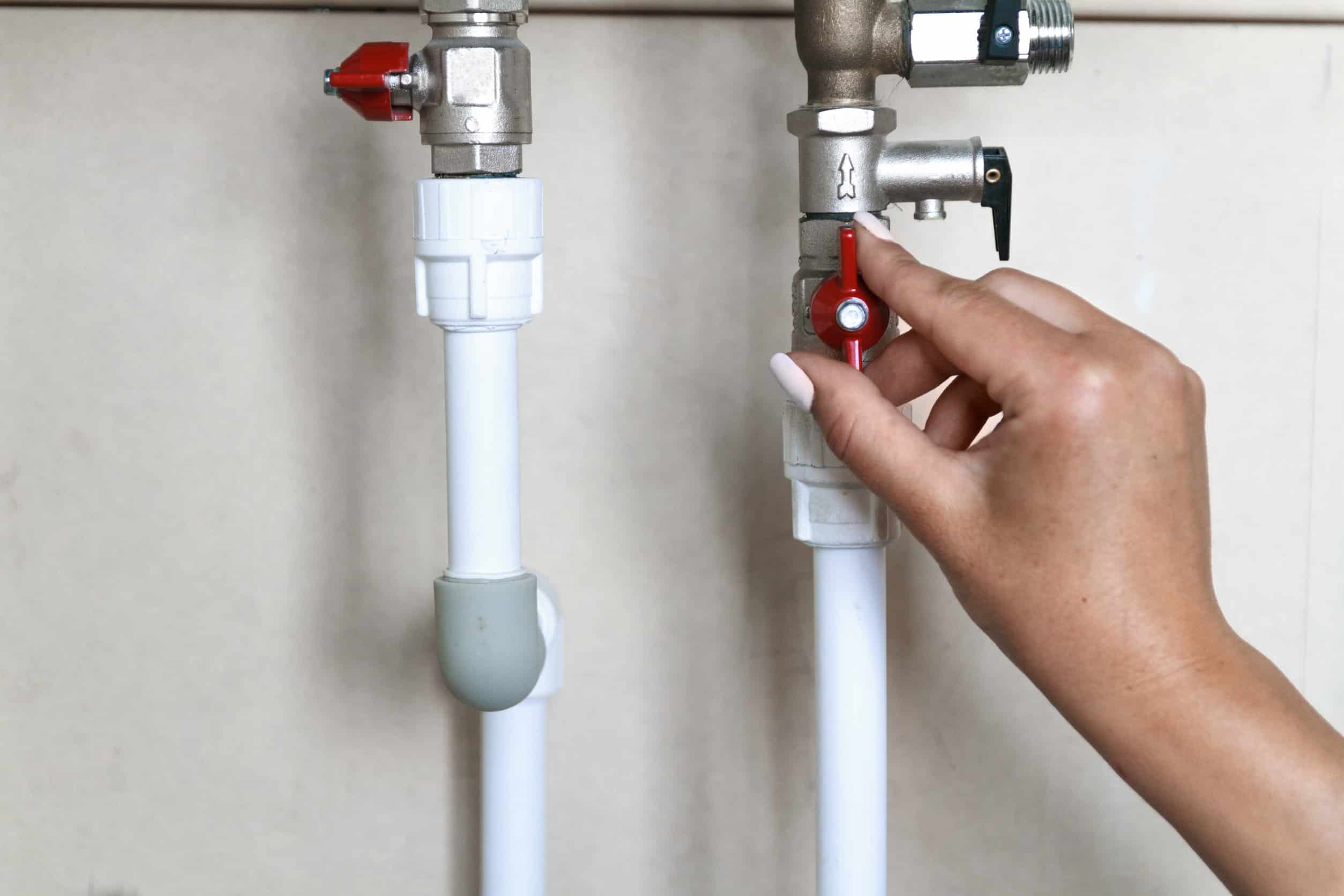 How To Turn Off Water Heater Systems - Kyle's Garage
A Few Casual Reminders (Because I Care)
If your water heater is in a basement that’s also the laundry area, the valve might be hidden behind a pile of towels. Clear the clutter. You don’t want to be fumbling around when the water’s already creeping across the floor. I speak from personal, damp experience.
Also, take a picture of the valve right now with your phone. Title it “Hot Water Off Valve.” Future you, standing in a mess at 2 a.m., will kiss your past self. You’re welcome.
One last thing: after you shut the valve, open a hot water tap inside the house to relieve pressure in the pipes. It’ll spit a little water, then stop. That’s normal. It’s just the plumbing saying “okay, I give up.”
Look, I’m not saying you’ll become a plumbing wizard overnight. But now you know the single most useful emergency move you can make before calling a pro. And honestly, you’re already more prepared than I was last week. Go find that valve. Own it. And maybe keep a towel handy. Just in case.
