How To Turn The Water Supply Off

Let’s be honest: most of us have a relationship with our home’s plumbing that’s best described as vague familiarity. You know the faucet turns left for cold, right for hot, an...

Let’s be honest: most of us have a relationship with our home’s plumbing that’s best described as vague familiarity. You know the faucet turns left for cold, right for hot, and that flushing is a one-button miracle. But ask where the main shut-off valve lives, and suddenly you’re making puppy-dog eyes at a plumber.
The good news? Finding it is way easier than assembling flat-pack furniture. I promise. Let’s change that “I’ll worry about it later” energy into a five-minute adventure.
Why bother? (Because panic is no fun)
Imagine this: you’re peacefully washing dishes, humming a tune, and snap—the hose under the sink bursts. Water is now doing a joyful little tap dance across your kitchen floor. At that moment, you don’t want to Google “how to stop water.” You want to already know.
Must Read
Turning off the water is your home’s emergency brake. It stops a small leak from becoming a full-blown indoor swimming pool. Plus, it makes you look like a hero to your family.
Think of it as a superpower you only need once every few years. But when you need it? Game changer.
The big quest: Finding your main valve
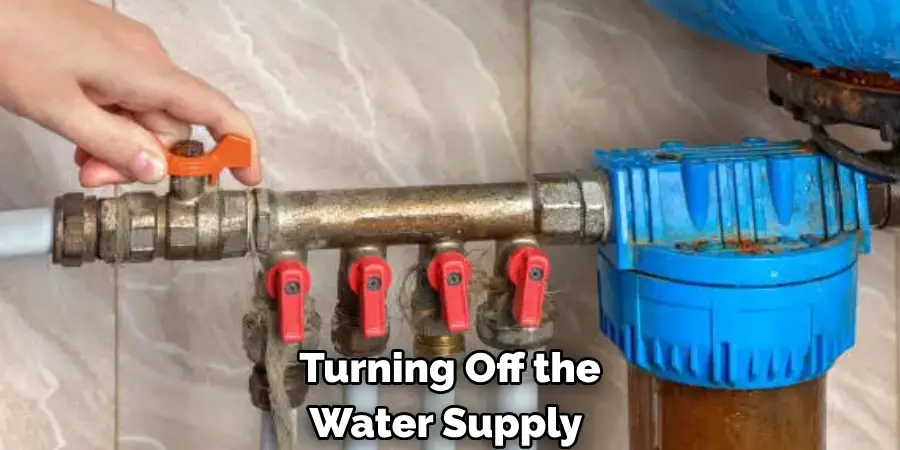
Your main shut-off valve is usually where the water pipe first enters your house. This is often in the basement, crawlspace, or—if you’re in a warmer climate—outside near an external wall. It’s typically a round or lever-style handle on a copper or brass pipe.
If you live in an apartment or condo, check the utility closet or near the water heater. It might even be tucked behind a small panel. Don’t be shy—get down on the floor and peek under the sink if you have to.
Here’s a secret: once you find it, put a brightly colored tag or ribbon on it so anyone in the house can spot it in a hurry. Your future panicked self will thank you.
How to actually turn it off (no sweat)
For a wheel handle (round, like a little steering wheel): Turn it clockwise (righty-tighty) until it stops. Don’t crank it like you’re opening a jar of pickles—just firm, steady pressure. It should feel snug after about four or five full turns.
 How to Shut Off Water to Outside Faucet - 7 Effective Steps
For a lever handle (straight, like a small broomstick): Simply turn it until the handle is perpendicular (a 90-degree angle) to the pipe. That’s the “off” position. Easy as flipping a switch.
If the valve is stubborn and hasn’t moved since the 90s, go slow. Use a little WD-40 if you have it, or a pair of pliers for extra grip. But if it feels like it might snap? Call a plumber—better safe than sorry.
What about the small stuff? (Local valves)
You don’t always need the big gun. For a leaky toilet or a dripping sink, there’s a smaller valve right under the fixture. Look for a tiny handle behind the toilet or beneath the sink cabinet.
These are usually lever-style. Just turn them to the off position, and you’ve isolated the problem. This means you can still use water in the shower while you fix that toilet—luxury.
But remember: if the leak is before that little valve (on the pipe side), you’ll need the big main valve. That’s your failsafe.
Test it now (while you’re calm)
Here’s a fun challenge: go find your main valve right now. Yes, even if you’re in your pajamas. Walk through your house like a detective on a case.
Once you find it, turn it off for ten seconds. Then go turn on a faucet to confirm the water stops. Then turn it back on. Congratulations—you’ve just passed “Plumbing 101.”
 3 Ways to Turn Off Your Water Supply Quick and Easy - wikiHow
Doing this now, when there’s no emergency, is like practicing a fire drill. Your brain will remember the motion when it really counts.
When things get messy (the leak happens anyway)
So you’ve turned the water off. Great! Now what? Breathe. The worst is over. The water isn’t going to flood your floor while you call a plumber or grab a towel.
If the leak is tiny, you might not even need a pro. A simple replacement of a rubber washer or a tightened fitting can fix it. YouTube is your friend here—just watch a few videos first.
But if water is still dripping after you’ve turned the valve off, you might have a faulty valve. In that case, call a plumber and explain the situation. They’ll know exactly what to do.
The takeaway: You’ve got this
Knowing how to turn off your water is practical magic. It’s one of those little life hacks that makes you feel more in control of your home. Like knowing how to jump-start a car or reset a Wi-Fi router.
And here’s the best part: you already have the most important tool—a bit of curiosity. So go ahead, find that valve. Give it a gentle turn. You’ll sleep better knowing you can stop the chaos before it starts.
Plus, next time a pipe bursts, you’ll be the calm one saying, “No worries, I’ll just shut it off.” And everyone will think you’re a genius. (No cape required.)
